

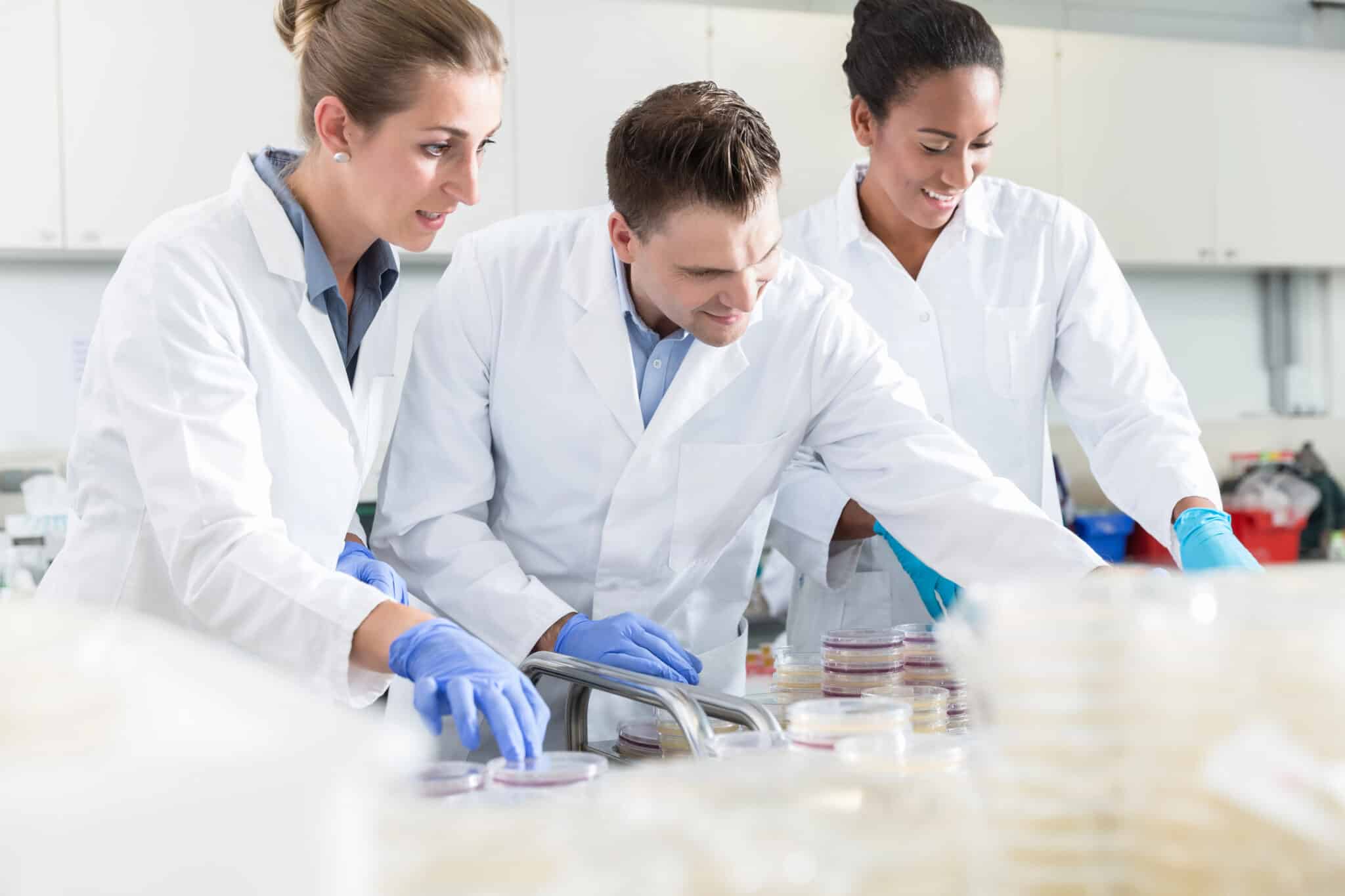

The Canadian Food Inspection Agency (CFIA) laboratory in Burnaby, British Columbia conducts extensive food safety testing across 60 different methods, screening for potential health risks in food products nationwide, with a level of precision that transforms scientific analysis into public protection, according to a recent article from the Winnipeg Free Press.
The facility processes more than 100 bivalve samples weekly from the Pacific coast, testing for three primary shellfish toxins: paralytic, amnesic, and diarrheic shellfish poisoning. These marine toxins represent a significant threat, capable of causing severe illness and potentially fatal outcomes if left undetected.
The lab’s testing strategy is comprehensive and multi-layered, falling into three distinct categories:
- On-demand testing – Immediate response to public health concerns
- Targeted testing – Monitoring specific food commodities
- Routine monitoring – Tracking emerging food industries and potential risks
Shellfish testing comprises 60 percent of the lab’s workload. These marine toxins accumulate in filter-feeding shellfish like mussels, clams, scallops, and oysters, presenting a unique challenge. Unlike other contaminants, these toxins cannot be eliminated through cooking, making early detection absolutely critical to public safety.
The laboratory employs high-pressure liquid chromatography, a sophisticated analytical technique that provides molecular-level insights into potential contamination. The process is meticulously structured.
The samples are received in multiple states, whether they be fresh, frozen, or canned. Certified technicians in protective equipment then carefully process each sample.
The specimens are first ground in sterile blenders to ensure even toxin distribution and then molecular graphs are compared against known toxin references
The facility’s screening capabilities extend far beyond marine toxins. Technicians systematically investigate multiple potential hazards, including:
- Pathogen detection
- Allergen contamination verification
- Product claim authentication
- Mycotoxin identification
- Sulphite level measurement
- Gluten contamination assessment
The lab’s importance was starkly illustrated by a 2023 E. coli outbreak in Calgary, which resulted in 448 infections and 39 hospitalizations. Such incidents stress the critical need for comprehensive food safety testing to reduce the chance of dangerous illnesses.
Environmental controls within the laboratory are extraordinarily precise. Each room maintains specific temperature and humidity levels designed to control potential microbe growth. Water undergoes reverse-osmosis filtration to remove experimental contaminants. Areas are color-coded to manage safety protocols, with some sections requiring specialized protective equipment.
The Burnaby facility is the only biotoxin testing lab in Western Canada. The specialized infrastructure and expensive equipment create significant barriers for private laboratories attempting similar work.
The lab collaborates extensively with the BC Centre for Disease Control and Fisheries and Oceans Canada. Their “Can U Dig It” mobile app provides real-time maps of safe seafood harvesting areas, giving consumers immediate access to critical safety information.
Interestingly, the lab’s director explained that mycotoxins may have played a role in the European witch trials of the 1500s. The mycotoxin ergot, found in contaminated rye crops, could cause hallucinations once attributed to supernatural phenomena.
The agency maintains an ongoing commitment to research, continually exploring more accessible and cost-effective testing methods while preserving rigorous safety standards. This approach ensures that food safety protocols evolve alongside technological advancements.
The lab’s testing also extends to seemingly ordinary items. Technicians even test doughnuts, using them as baseline samples to calibrate testing equipment and establish normal molecular graphs for comparison.
Norovirus remains a primary focus in virus testing, with the lab paying particular attention to this leading cause of food poisoning often associated with cruise ship outbreaks and other areas where large groups of people gather in close proximity like schools or hospitals. The virus testing area requires additional specialized protective equipment and training, highlighting the complexity of their work.
The facility processes samples using 60 different testing methods, each capable of assessing approximately 10 different food types. This comprehensive approach ensures thorough screening of potential contaminants across a wide range of food products.
As food production becomes increasingly complex and global, the CFIA’s detailed testing methods provide an essential protective barrier. Each sample represents a critical checkpoint in preventing potential foodborne illness outbreaks.
For consumers, the lab’s work translates into a fundamental assurance of safety. Every food item undergoes rigorous screening, transforming scientific analysis into a shield protecting public health. From the microscopic examination of shellfish to the molecular mapping of processed foods, the CFIA laboratory stands as a silent guardian against potential food-related health risks.
“As food systems continue to evolve, the importance of such meticulous testing only grows,” says one national food poison lawyer, who then adds: “This type of work ensures that what reaches Canadian tables is not just food, but carefully vetted, scientifically confirmed nutrition.”
Commenting on this article, one national food poisoning lawyer said, “The CFIA’s work goes beyond simple testing. The organization clearly provides a critical public health service by identifying and preventing potential foodborne illness outbreaks before they can spread.”
