
Close Menu
  • Food Poisoning
    • Symptoms
    • Prevention
    • Treatment
    • Causes
  • Pathogens
    • Botulism
    • Campylobacter
    • E. coli
    • Cyclospora
    • Norovirus
    • Hepatitis A
    • Salmonella
    • Listeria
    • Shigella
  • Food Safety
    • How to wash your hands
    • Food Safty And The Holidays
  • Legal
    • Can I sue for Food Poisoning?
    • E. coli Lawyer
      • E. coli Lawsuit
    • Salmonella Lawyer
      • Salmonella Lawsuit
    • Botulism Lawyer
    • Cyclospora Lawyer
    • Shigella Lawyer
    • Hepatitis A Lawyer
  • Outbreaks and Recalls
  • Connect With A Lawyer
What's Hot

Peace by Chocolate Recalls Pistachio-Containing Chocolates Amid Salmonella Contamination Concern

January 10, 2026

Frozen Tater Tots Recalled in 26 States Due to Possible Plastic Contamination

January 10, 2026

Cheese Recall Escalated to Highest Risk Category as Listeria Contamination Spreads Across U.S. Markets

January 10, 2026
Facebook X (Twitter) Instagram
Facebook X (Twitter) YouTube
  • About
  • Contact Us
Food Poisoning NewsFood Poisoning News
  • Home
  • Food Poisoning
    • What is Food Poisoning?
      • Symptoms
      • Causes
      • Prevention
      • Treatment
      • Statistics
    • Pathogens
      • Botulism
      • Campylobacter
      • E. coli
      • Hepatitis A
      • Shigella
      • Norovirus
      • Salmonella
      • Cyclospora
      • Listeria
  • Food Safety
    • How to wash your hands
    • Food Safty And The Holidays
  • Legal
    • Salmonella Lawyer
      • Salmonella Lawsuit
    • E. coli Lawyer
      • E. coli Lawsuit
    • Cyclospora Lawyer
    • Shigella Lawyer
    • Hepatitis A Lawyer
    • Botulism Lawyer
  • Outbreaks and Recalls
Food Poisoning NewsFood Poisoning News
Home»Food Poisoning News»Is it Safe to Eat Moldy Food?
Is it Safe to Eat Moldy Food?
"Moldy foods may harbor harmful bacteria like Salmonella or Listeria . . . "
Food Poisoning News

Is it Safe to Eat Moldy Food?

Kit RedwineBy Kit RedwineMay 13, 2025No Comments3 Mins Read
Share
Facebook Twitter LinkedIn Pinterest Email Reddit

“Moldy foods may harbor harmful bacteria like Salmonella or Listeria . . . “

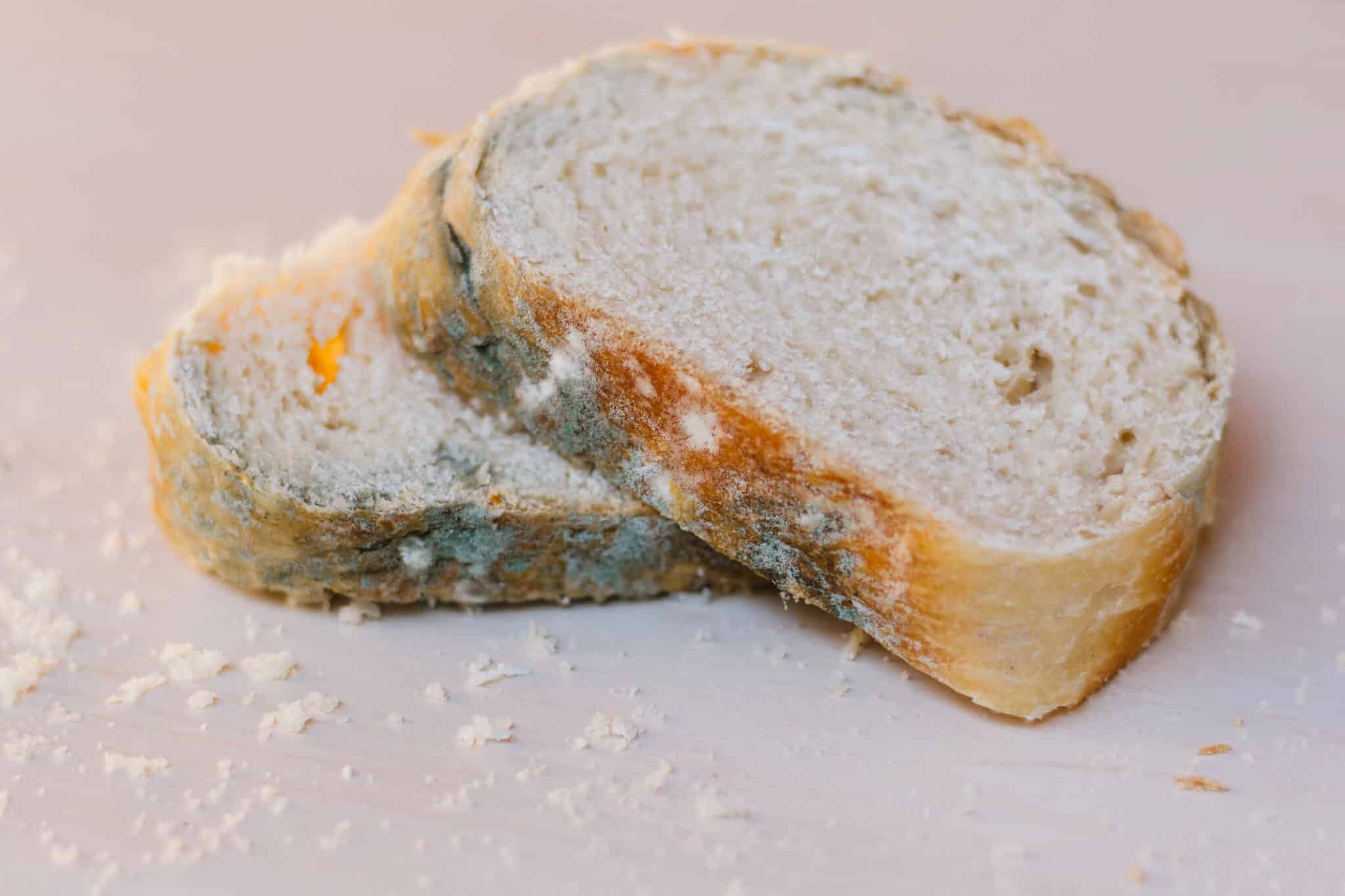
Molds are microscopic fungi that grow on plant or animal matter, appearing as fuzzy spots in colors such as green, white, or black.  While molds play a role in decomposing organic material in nature, their presence on food raises health concerns due to potential toxin production and bacterial contamination.  

Health Risks of Mold  

Some molds produce mycotoxins, toxic compounds linked to acute and chronic health issues. Aflatoxins, a well-studied mycotoxin produced by Aspergillus species, are carcinogenic and associated with liver damage, immune suppression, and even death in high doses.  Mycotoxins are heat-stable, meaning cooking does not neutralize them, and they often contaminate grains, nuts, and fruits like apples.  Ingesting moldy food can also cause allergic reactions or respiratory issues, particularly in sensitive individuals.  Additionally, moldy foods may harbor harmful bacteria like Salmonella or Listeria, which thrive in the same moist environments as molds.   

Safe vs. Unsafe Handling

The safety of consuming moldy food depends on the type and moisture content of the item:  

  • Discard Immediately – Soft foods with high moisture, such as bread, yogurt, cooked meats, and soft fruits (e.g., strawberries, peaches), should be discarded. Mold roots penetrate deeply, and bacterial contamination is likely.   
  • Salvageable Foods – Hard cheeses (e.g., cheddar), firm vegetables (e.g., carrots, cabbage), and dry-cured meats (e.g., salami, country ham) can be safely consumed if at least 1 inch around the mold is cut away to avoid cross-contamination.  Cheeses intentionally made with mold, like blue cheese or Brie, are safe unless contaminated by non-manufacturing molds.   

Prevention and Mitigation  

To minimize mold growth:  

  • Refrigeration – Store perishables at ≤40°F and consume leftovers within 3–4 days.   
  • Hygiene – Clean refrigerators regularly with baking soda or bleach solutions to eliminate spores, and use airtight containers for storage.   
  • Inspection – Avoid purchasing bruised produce or pre-packaged foods with visible mold, and check expiration dates.   

Regulatory Oversight  

The FDA monitors mycotoxin levels in foods, enforcing action limits for contaminants like aflatoxins in peanuts and corn. International bodies, such as the Codex Alimentarius Commission, establish safety standards to reduce global exposure.  Despite regulations, mycotoxins remain a challenge in agriculture, with an estimated 25% of global crops affected annually.   

Special Cases  

  • Canned Foods – Mold in canned goods indicates compromised processing or seals, posing risks of pH changes and botulism. These should be discarded.   
  • Fermented Foods – Surface mold on sauerkraut or pickles can be removed, but the product should be consumed quickly to prevent recurrence.   

While certain molds are integral to food production (e.g., in cheeses), most mold-contaminated foods pose health risks. Adherence to storage guidelines, proper handling, and awareness of regulatory standards are critical to mitigating these dangers.  

Share. Facebook Twitter Pinterest LinkedIn Tumblr Email
Avatar photo
Kit Redwine

Related Posts

Wild Pathogens: How Wildlife Brings Foodborne Illness Like Salmonella and E. Coli from Field to Fork

January 9, 2026

The Hidden Dangers of Barbecue Season (Which is Approaching Faster Than You Think) and Undercooked Meat

January 8, 2026

Is It Safe to Eat Salmon or Steak That Is Cooked Rare or Medium Rare? What About Salmonella and E. coli?

January 8, 2026

Danger in Your Kitchen: How Common Food Safety Myths Are Making People Sick

January 6, 2026
Add A Comment
Leave A Reply Cancel Reply

Attorney Advertisement
Ron Simon

Subscribe to Updates

Get the latest food safety recall, outbreak, & investigation news.

Latest Posts

Peace by Chocolate Recalls Pistachio-Containing Chocolates Amid Salmonella Contamination Concern

January 10, 2026

Frozen Tater Tots Recalled in 26 States Due to Possible Plastic Contamination

January 10, 2026

Cheese Recall Escalated to Highest Risk Category as Listeria Contamination Spreads Across U.S. Markets

January 10, 2026

Food Poisoning News is a website devoted to providing you with the most current information on food safety, dangerous pathogens, food poisoning outbreaks and outbreak prevention, and food poisoning litigation.

We're social. Connect with us:

Facebook X (Twitter) YouTube
Latest Posts

Peace by Chocolate Recalls Pistachio-Containing Chocolates Amid Salmonella Contamination Concern

January 10, 2026

Frozen Tater Tots Recalled in 26 States Due to Possible Plastic Contamination

January 10, 2026

Cheese Recall Escalated to Highest Risk Category as Listeria Contamination Spreads Across U.S. Markets

January 10, 2026
Get Informed

Subscribe to Updates

Get the latest food safety recall, outbreak, & investigation news.

Facebook X (Twitter) YouTube
  • Home
© 2026 Food Poisoning News. Sponsored by Ron Simon & Associates a Houston, TX law firm. Powered by ArmaVita.
Our website and content are for informational purposes only. Food Poisoning News does not provide legal advice, medical advice, diagnosis, or treatment.

Type above and press Enter to search. Press Esc to cancel.