

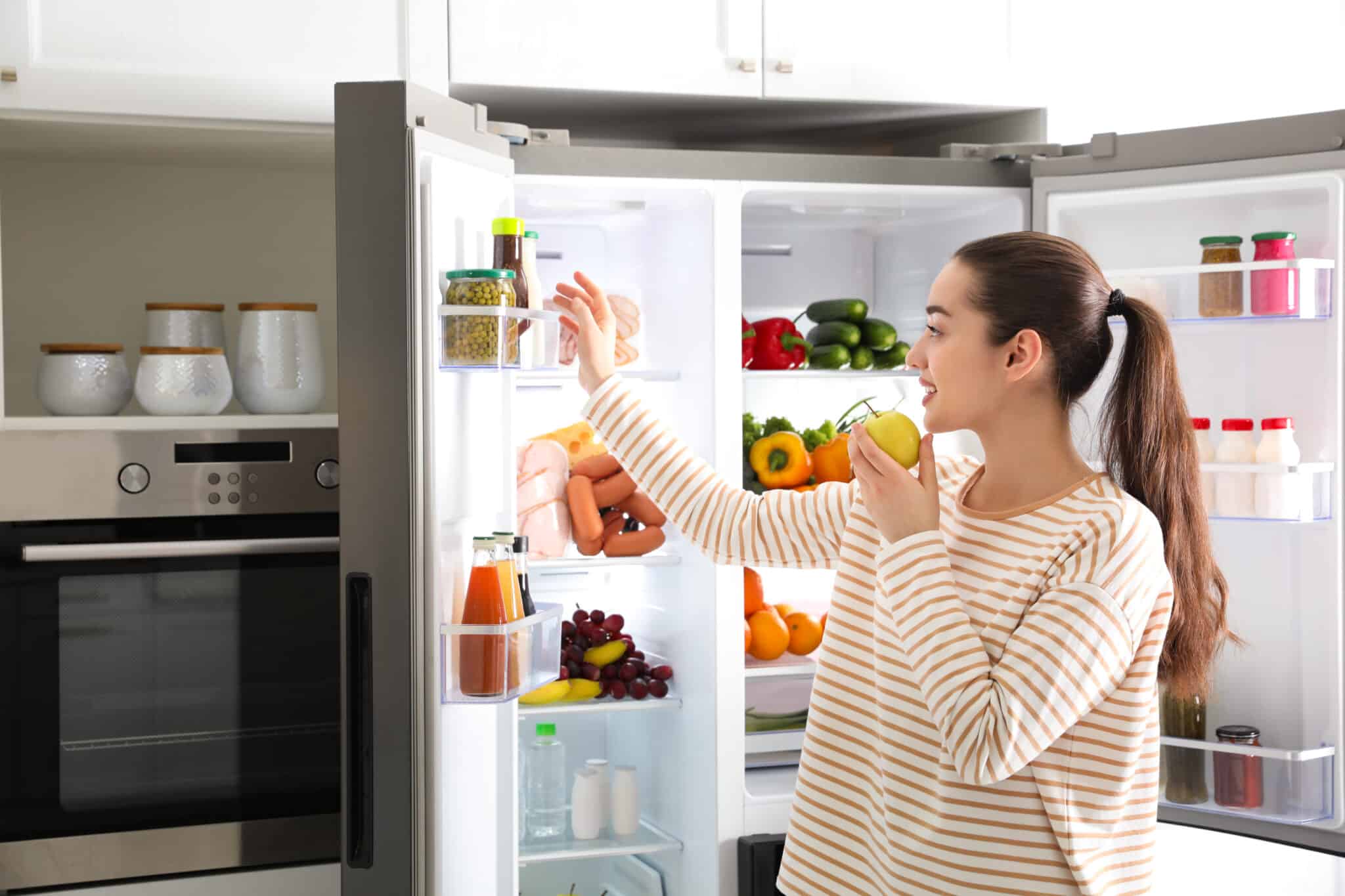

Leftovers on the Line: How Refrigerators Can Turn Dinner into Danger
Leftovers are a staple of modern life. From last night’s pizza to Sunday’s roast chicken, we often rely on reheated meals to save time and money. But what many families don’t realize is that those convenient leftovers, if not stored and handled correctly, can become a breeding ground for dangerous pathogens like Listeria, Salmonella, and E. coli.
Refrigerators, intended to keep our food safe, don’t stop bacterial growth entirely. Instead, they slow it down. That means every extra day food sits in the fridge is another day for bacteria to multiply — sometimes silently, without changing taste or smell. For households juggling busy schedules, this can transform a harmless container of dinner into the cause of a night in the ER.
Why Leftovers Are a Risk
The danger of leftovers lies in three main factors:
- Temperature: The “danger zone” for bacterial growth is 40–140°F. Food left out for more than two hours before refrigeration can already be unsafe.
- Time: Even properly refrigerated food has a shelf life. Most cooked leftovers should be eaten within 3–4 days.
- Pathogens that thrive cold: Listeria monocytogenes is particularly dangerous because it can grow slowly even at refrigerator temperatures.
The CDC estimates that Listeria alone causes about 1,600 illnesses and 260 deaths annually in the U.S. It disproportionately affects pregnant women, newborns, and older adults.
Case Study 1: 2016 Listeria in Deli Salads
In 2016, Listeria monocytogenes was discovered in pre-packaged deli salads sold at retail stores and used in cafeterias nationwide. According to the CDC, 19 people across nine states became ill, with one death and several hospitalizations reported. The contaminated salads had been prepared in bulk, stored for extended periods, and distributed widely.
What made this outbreak so alarming was that consumers often purchased these salads to eat later in the week — meaning the bacteria had more time to grow while the food sat refrigerated. Investigators found the pathogen thriving in processing facilities, but time in home refrigerators compounded the risk.
This case underscored how Listeria exploits our trust in refrigeration. Even foods chilled from the start can still make people sick if eaten too late.
Case Study 2: 2021 Salmonella Linked to Leftover Cooked Chicken
In 2021, public health officials traced a Salmonella outbreak back to leftover cooked chicken that had been improperly stored. Families had prepared large batches of chicken, allowed it to cool at room temperature for hours, and then refrigerated it. By the time it was reheated and eaten days later, bacterial levels were dangerously high.
The outbreak sickened dozens, with multiple hospitalizations. Investigators emphasized that reheating doesn’t always kill Salmonella if the bacteria have already multiplied to high levels or if toxins are present. It was a sobering reminder that it’s not just raw chicken we should worry about — cooked food, mishandled, can be just as dangerous.
The Science of Spoilage
One of the biggest misconceptions about leftovers is that spoilage is obvious. In reality, food can harbor dangerous levels of bacteria without smelling bad, tasting off, or looking different.
Pathogens like Salmonella and E. coli don’t always produce warning signs. By the time symptoms appear — diarrhea, cramps, fever, nausea — the infection has already taken hold. This is why relying on your senses alone is risky.
Safe Practices for Leftovers
To reduce the risk, experts recommend following these guidelines:
- Refrigerate quickly: Get food into the fridge within 2 hours (1 hour if above 90°F).
- Use shallow containers: Store food in small, flat containers to cool it faster.
- Label and date: Mark containers so you know when the food was made.
- Follow the 3–4 day rule: Eat leftovers within 3–4 days, or freeze them.
- Reheat thoroughly: Heat food to 165°F. Soups and stews should reach a rolling boil.
These small steps drastically reduce the risk of illness.
Why Families and Students Are Especially at Risk
Large families, college students, and busy households are often most vulnerable. Leftovers sit longer, storage space is tight, and it’s common to push expiration limits. College dorm fridges, often overstuffed and underpowered, provide perfect conditions for bacteria to thrive.
Legal and Public Health Implications
When outbreaks are traced back to restaurants, cafeterias, or food companies, families often seek legal action. Firms like Ron Simon & Associates represent victims in these cases, helping cover medical costs and holding negligent suppliers accountable.
The 2016 deli salad outbreak and the 2021 chicken incident both showed how institutional mishandling — not just personal error — can lead to widespread illness. Public health investigations and lawsuits alike push companies toward better safety standards.
Final Thoughts
Leftovers can save money, reduce waste, and make life easier. But they can also hide dangerous bacteria if handled carelessly. The 2016 Listeria deli salad outbreak and the 2021 Salmonella chicken cases prove that refrigeration isn’t a cure-all.
By refrigerating quickly, following the 3–4 day rule, and reheating thoroughly, families can enjoy the convenience of leftovers without risking their health. Because at the end of the day, no meal — no matter how delicious the second time around — is worth a trip to the hospital.
