
Close Menu
  • Food Poisoning
    • Symptoms
    • Prevention
    • Treatment
    • Causes
  • Pathogens
    • Botulism
    • Campylobacter
    • E. coli
    • Cyclospora
    • Norovirus
    • Hepatitis A
    • Salmonella
    • Listeria
    • Shigella
  • Food Safety
    • How to wash your hands
    • Food Safty And The Holidays
  • Legal
    • Can I sue for Food Poisoning?
    • E. coli Lawyer
      • E. coli Lawsuit
    • Salmonella Lawyer
      • Salmonella Lawsuit
    • Botulism Lawyer
    • Cyclospora Lawyer
    • Shigella Lawyer
    • Hepatitis A Lawyer
  • Outbreaks and Recalls
  • Connect With A Lawyer
What's Hot

Neurolisteriosis: Why Listeria Monocytogenes Causes Meningitis and Encephalitis

January 19, 2026

Back-to-School Food Risks: How Lunch Packing, Cafeterias, and Shared Spaces Increase Food Poisoning

January 14, 2026

Campylobacter Infection: Where It Comes From and Why It’s One of the Most Common Foodborne Illnesses

January 14, 2026
Facebook X (Twitter) Instagram
Facebook X (Twitter) YouTube
  • About
  • Contact Us
Food Poisoning NewsFood Poisoning News
  • Home
  • Food Poisoning
    • What is Food Poisoning?
      • Symptoms
      • Causes
      • Prevention
      • Treatment
      • Statistics
    • Pathogens
      • Botulism
      • Campylobacter
      • E. coli
      • Hepatitis A
      • Shigella
      • Norovirus
      • Salmonella
      • Cyclospora
      • Listeria
  • Food Safety
    • How to wash your hands
    • Food Safty And The Holidays
  • Legal
    • Salmonella Lawyer
      • Salmonella Lawsuit
    • E. coli Lawyer
      • E. coli Lawsuit
    • Cyclospora Lawyer
    • Shigella Lawyer
    • Hepatitis A Lawyer
    • Botulism Lawyer
  • Outbreaks and Recalls
Food Poisoning NewsFood Poisoning News
Home»Featured»Navigating Allergen Safety Challenges in Shared and Ghost Kitchens
Navigating Allergen Safety Challenges in Shared and Ghost Kitchens
Featured

Navigating Allergen Safety Challenges in Shared and Ghost Kitchens

Kit RedwineBy Kit RedwineJune 26, 2025No Comments2 Mins Read
Share
Facebook Twitter LinkedIn Pinterest Email Reddit

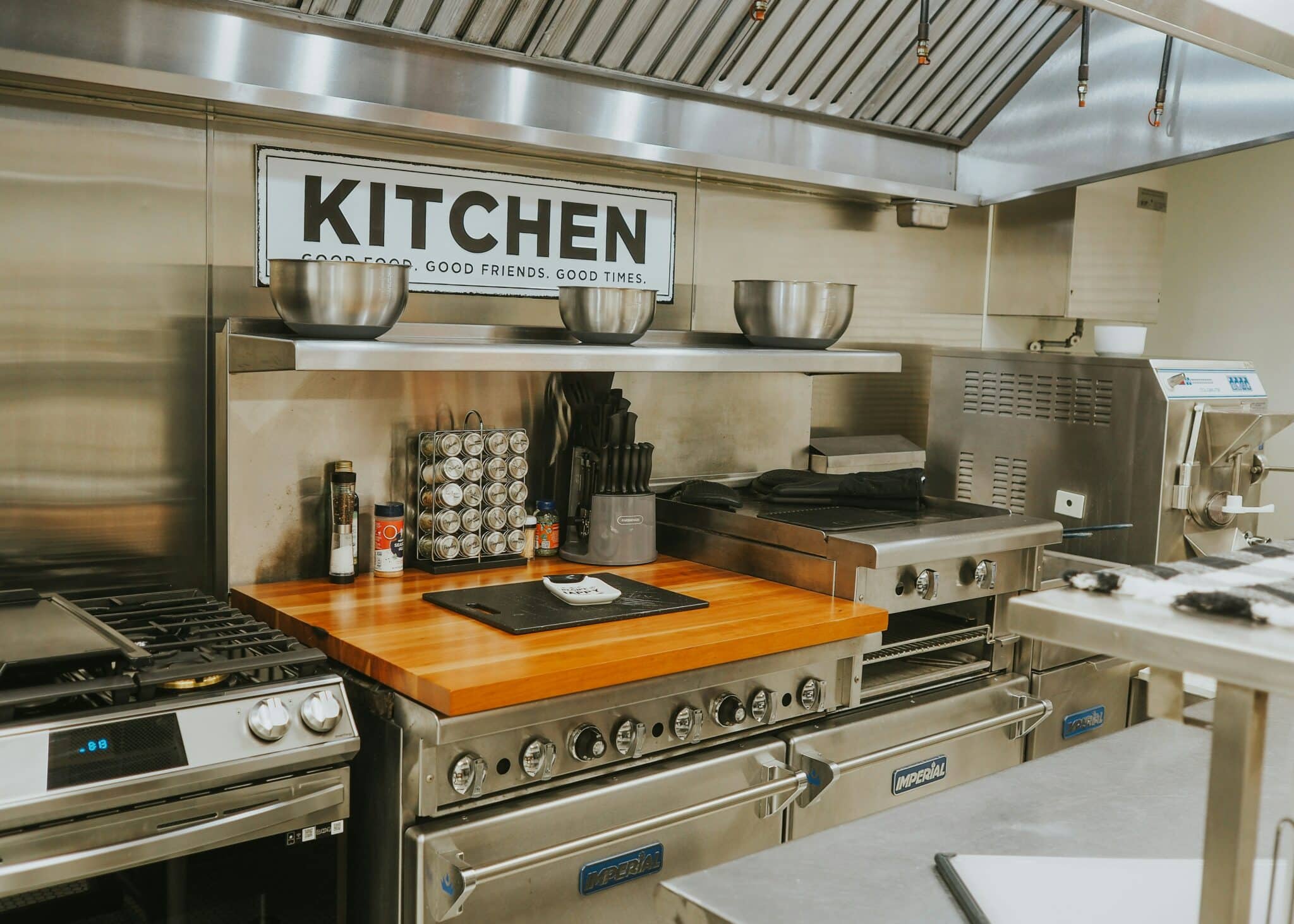
The rapid expansion of ghost kitchens, delivery-only facilities projected to reach $71.4 billion in sales by 2027, has intensified food allergen risks in increasingly crowded culinary spaces.  Unlike traditional restaurants, these operations often house multiple brands within shared kitchens, amplifying cross-contact hazards for the 33 million Americans with food allergies.  With 25% of anaphylactic reactions occurring during restaurant meals, the stakes for effective allergen management have never been higher.   

The Cross-Contact Crisis  

Shared equipment and confined workflows create ideal conditions for allergen transfer. Studies reveal that standard cleaning protocols frequently fail: in assessments of kitchen utensils, milk residues remained on 41% of surfaces after routine washing, while egg and gluten persisted on 35% and 33% respectively.  The problem escalates in ghost kitchens operating from repurposed spaces like warehouses or shipping containers, where infrastructure may lack adequate sanitation stations or segregated prep zones.  Compounding this, staff from different brands often share storage, equipment, and cleaning responsibilities without unified allergen protocols.   

Operational Solutions in Action  

Leading ghost kitchens deploy multi-pronged strategies:  

  • Spatial Segregation: Designated allergen-free prep areas with color-coded utensils prevent cross-contact during peak hours.   
  • Validated Cleaning: Switching to enzymatic detergents with proteases reduces milk and egg residues by over 80%, per canteen studies.   
  • Tech-Enabled Transparency: Digital platforms like Cuboh integrate real-time menu updates across delivery apps, ensuring ingredient changes immediately reflect allergen information, addressing the lag times reported by some operators.   

Table: Effectiveness of Allergen Control Measures in Shared Kitchens  

Control MeasureMilk ReductionEgg ReductionGluten Reduction
Exclusive utensils & containers92%89%85%
Protease detergent (vs. standard)83%81%68%
Pre-use rinsing76%74%70%

Systemic Gaps and Innovations  

Regulatory oversight struggles to keep pace. Ghost kitchens frequently operate under multiple brand names, complicating health inspections and masking violations in common areas.  While the FDA’s Food Code governs these facilities, inconsistent adoption of inspection score disclosure leaves consumers unaware of compliance records.  Emerging tools show promise: lateral flow allergen tests provide instant surface swab results, while blockchain-enabled ingredient tracking enhances supply chain transparency.   

Ron Simon & Associates, a leading nationwide food poisoning law firm, says that as delivery-dominated dining grows, integrating these protocols, validated cleaning, spatial controls, and tech-driven accountability, will be critical for protecting allergic consumers navigating an invisible kitchen landscape. 

Share. Facebook Twitter Pinterest LinkedIn Tumblr Email
Avatar photo
Kit Redwine

Related Posts

Neurolisteriosis: Why Listeria Monocytogenes Causes Meningitis and Encephalitis

January 19, 2026

State Fair Was Source of Arizona E. coli Outbreak 

January 14, 2026

Harnessing Our Microbial Allies: How Probiotics Wage War on Foodborne Pathogens Like Salmonella and E. Coli

January 12, 2026

Frozen Tater Tots Recalled in 26 States Due to Possible Plastic Contamination

January 10, 2026
Add A Comment
Leave A Reply Cancel Reply

Attorney Advertisement
Ron Simon

Subscribe to Updates

Get the latest food safety recall, outbreak, & investigation news.

Latest Posts

Neurolisteriosis: Why Listeria Monocytogenes Causes Meningitis and Encephalitis

January 19, 2026

Back-to-School Food Risks: How Lunch Packing, Cafeterias, and Shared Spaces Increase Food Poisoning

January 14, 2026

What Foods Are Most Likely to Carry Salmonella—and Why Contamination Happens So Easily

January 14, 2026

Food Poisoning News is a website devoted to providing you with the most current information on food safety, dangerous pathogens, food poisoning outbreaks and outbreak prevention, and food poisoning litigation.

We're social. Connect with us:

Facebook X (Twitter) YouTube
Latest Posts

Neurolisteriosis: Why Listeria Monocytogenes Causes Meningitis and Encephalitis

January 19, 2026

Back-to-School Food Risks: How Lunch Packing, Cafeterias, and Shared Spaces Increase Food Poisoning

January 14, 2026

What Foods Are Most Likely to Carry Salmonella—and Why Contamination Happens So Easily

January 14, 2026
Get Informed

Subscribe to Updates

Get the latest food safety recall, outbreak, & investigation news.

Facebook X (Twitter) YouTube
  • Home
© 2026 Food Poisoning News. Sponsored by Ron Simon & Associates a Houston, TX law firm. Powered by ArmaVita.
Our website and content are for informational purposes only. Food Poisoning News does not provide legal advice, medical advice, diagnosis, or treatment.

Type above and press Enter to search. Press Esc to cancel.