

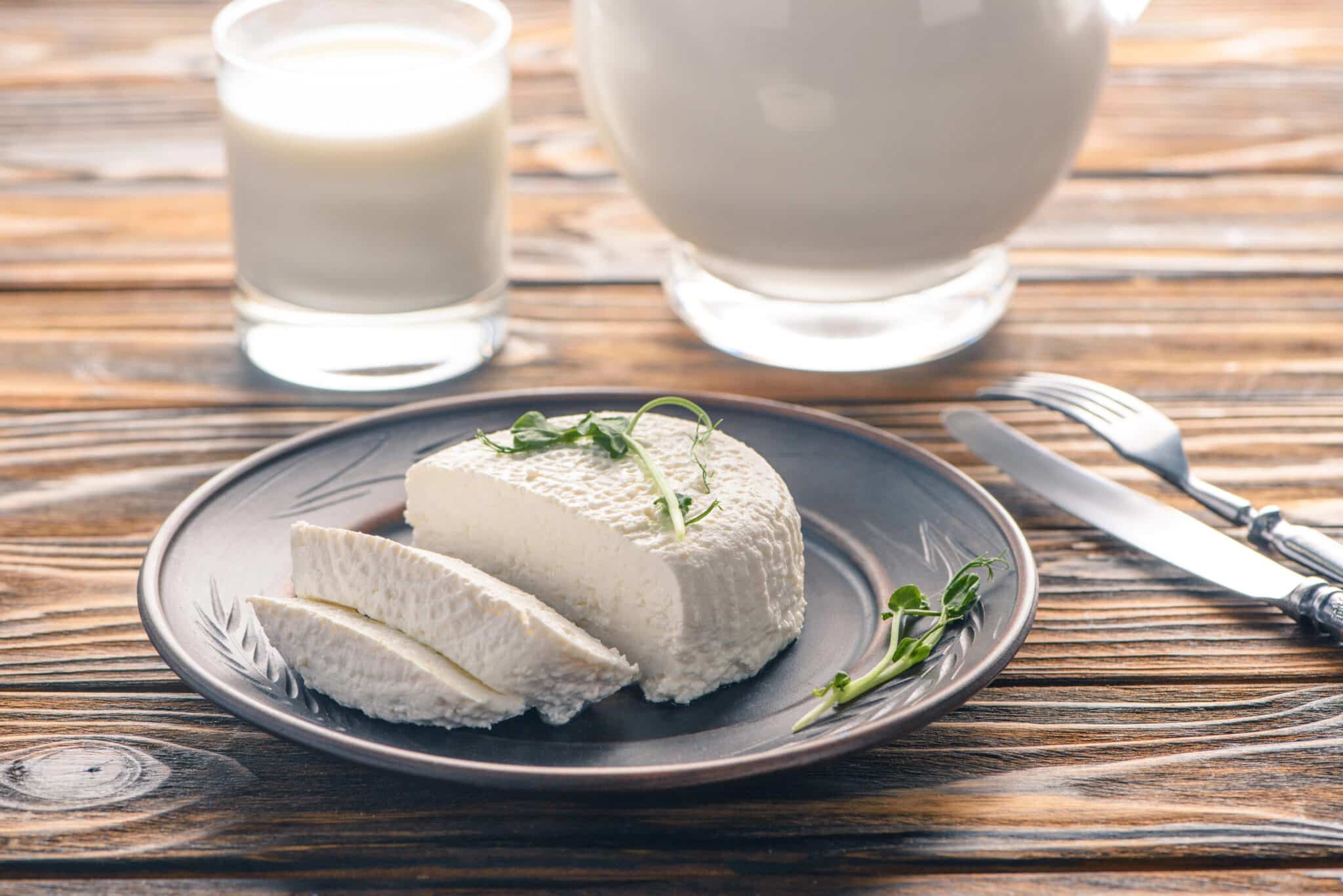

The enjoyment of cheese, a culinary staple for centuries, is shadowed by a persistent microscopic threat. Recent recalls of soft cheeses, including a major Class I recall of Camembert and other soft cheeses in September 2025, have highlighted ongoing public health concerns about Listeria monocytogenes. This pathogen poses a particular danger to vulnerable populations and has been repeatedly linked to cheeses that are often central to cultural traditions and artisanal food movements. The challenge lies in balancing the appreciation for traditional cheese-making, especially with raw milk, with the implementation of rigorous scientific controls to mitigate a known and deadly risk.
The science behind Listeria reveals why it is a formidable adversary in the food supply. Unlike many other foodborne bacteria, Listeria monocytogenes can thrive at refrigeration temperatures, allowing it to multiply on foods even when stored properly in a refrigerator. This characteristic makes ready-to-eat foods with a long shelf life, such as soft cheeses, a high-risk category. Infection with Listeria, known as listeriosis, can cause a range of symptoms. In less severe cases, it may result in fever, muscle aches, nausea, vomiting, and diarrhea that typically last one to three days. However, for certain vulnerable groups, the infection can become invasive, spreading beyond the intestines and leading to severe, life-threatening complications such as headache, stiff neck, confusion, loss of balance, convulsions, and meningitis. The case-fatality rate for severe invasive illness is high, with death occurring in about 20% of these cases.
Vulnerable Populations and the Particular Peril of Pregnancy
The severe consequences of listeriosis are not distributed evenly across the population. Public health agencies consistently identify three groups as being at highest risk: pregnant women and their newborns, adults aged 65 and older, and individuals with weakened immune systems, such as those undergoing cancer treatment or living with conditions that suppress immunity. For pregnant women, the risk of contracting listeriosis is about ten times greater than for the general population. Alarmingly, this risk increases to approximately twenty-four times greater than the general population for pregnant women who are Hispanic. This disparity is strongly linked to dietary patterns, including the consumption of high-risk foods like certain soft cheeses that are staples in some cultural cuisines. In pregnant women, the infection can be particularly insidious; the mother may experience only mild, flu-like symptoms, but the infection can lead to devastating outcomes for the fetus, including miscarriage, premature delivery, stillbirth, or death of the newborn. A review of listeriosis outbreaks by the Centers for Disease Control and Prevention (CDC) in the United States associated with soft cheeses from 1998 to 2014 found that 44% of the 180 recorded cases were pregnancy-associated, resulting in 14 fetal losses.
Soft Cheeses: A Perfect Environment for a Pathogen
Not all cheeses carry the same level of risk. The physical and chemical characteristics of a cheese determine how hospitable an environment it provides for Listeria to grow. Soft cheeses, which are high in moisture and low in acidity, are particularly susceptible. Among the most vulnerable are queso fresco-type cheeses, which include varieties like queso blanco and requesón. These fresh, soft cheeses do not undergo a significant aging process, a step that can help inhibit or kill pathogens in other types of cheese. Their high moisture and low acidity create what food scientists describe as an ideal environment for Listeria to proliferate. For this reason, the U.S. Food and Drug Administration (FDA) explicitly recommends that pregnant women, adults over 65, and immunocompromised individuals avoid all queso fresco-type cheeses, regardless of whether they are made from pasteurized or unpasteurized milk.
The risk extends beyond Latin-style cheeses. Other soft-ripened cheeses, such as Brie, Camembert, and some blue-veined varieties, have also been frequently implicated in outbreaks of listeriosis. The previously mentioned study by the CDC that analyzed outbreaks between 1998 and 2014 found that 30% of all listeriosis outbreaks were linked to soft cheeses. Of these, 65% were specifically linked to Latin-style soft cheeses. A more recent outbreak in France in August 2025 led to the recall of dozens of soft cheeses, including Camembert, Brie, and goat’s cheese, and was linked to at least 21 illnesses and two fatalities, demonstrating the continued global nature of this public health issue.
The Enduring Debate: Raw Milk Cheese and its Regulations
A central and often passionate debate in the cheese-making world revolves around the use of raw, or unpasteurized, milk. Pasteurization, a process that heats milk to a specific temperature for a set time, is effective at killing Listeria monocytogenes and other harmful pathogens. However, some cheese makers and connoisseurs argue that pasteurization also kills beneficial bacteria and enzymes that contribute to the complex, nuanced flavors and textures of traditional artisanal cheeses. Proponents of raw milk cheese market it as a less processed, more nutrient-rich option, a claim that is still debated by microbiologists.
In the United States, the FDA regulates raw milk cheese with a rule established in 1949 that requires cheeses made from unpasteurized milk to be aged for a minimum of 60 days at a temperature of less than 36 degrees Fahrenheit. The historical rationale was that this period would allow for the cheese’s natural salts and acids to break down any lingering pathogens. However, modern scientific studies have challenged this long-held assumption, demonstrating that some dangerous bacteria, including Listeria, can survive the 60-day aging process.
The real-world limitations of the 60-day rule were demonstrated at Mecox Bay Dairy, a family-owned operation in New York. In a 2024 Scientific American article, the dairy’s manager, Peter Ludlow, recounted an incident where the New York State Department of Agriculture and Markets detected Listeria bacteria in a soft cheese that had been aged for the required 60 days. “We went through the recall process and everything, and thankfully there were no illnesses reported,” Ludlow said. “Family members, including myself, had all been eating the cheese and were fine…, and ironically we all thought it was a really good batch. But there’s zero tolerance for this, and after deciding it wasn’t worth the risk, we stopped making it”. Ludlow’s experience underscores a key challenge for producers: “There’s really no way to tell if there’s a pathogen in [the cheese] as you’re manufacturing it”.
Where Safety Fails: Contamination in the Making
A critical point often misunderstood by consumers is that a cheese labeled “made from pasteurized milk” is not automatically safe. The pasteurization process is effective, but the cheese can become re-contaminated if the manufacturing environment is unsanitary after the pasteurization step. This phenomenon of post-processing contamination is a major contributor to outbreaks. The CDC’s study of soft-cheese-related outbreaks found that the proportion of listeriosis outbreaks linked to soft cheese made from pasteurized milk was significantly higher in the period from 2007 to 2014 than in the prior years.
Inspections of cheese-making facilities implicated in past outbreaks have revealed a range of sanitation and hygiene deficiencies that can lead to contamination. FDA inspections have documented problems such as roof leaks directly over manufacturing equipment, open sewer vents in production rooms, and food-contact aprons being stored in restrooms. Other facilities have had issues with pest infestations, including cockroaches and flying insects, a failure to hold food at proper temperatures, and the persistent presence of Listeria in environmental niches of the processing plants themselves. These findings highlight that the safety of the final product depends on a relentless commitment to hygiene and environmental monitoring throughout the entire production process, not just on the initial pasteurization of the milk.
Control Measures: Building a Multi-Layered Defense
For cheese producers, controlling Listeria requires a multi-pronged, systematic approach that begins long before milk enters the vat and continues until the product is shipped. Food safety experts emphasize that effective control starts with product and process design. By intentionally setting parameters like pH (acidity), water activity, and salt content to levels that are known to inhibit Listeria growth, manufacturers can build safety directly into the cheese’s recipe. This may also involve limiting the product’s shelf life and ensuring an unbroken cold chain during storage and transportation.
Environmental monitoring is considered the frontline defense against contamination. Listeria is an environmental bacterium that often finds a home in damp, hard-to-clean areas of a facility like drains, floor cracks, and cold storage units. A key strategy is to establish a zoning plan with clearly separated hygiene zones to contain any potential contamination. This involves regularly taking swab samples of the environment, both before production begins and during operational periods. When a positive test for Listeria is found, it must not be dismissed as a one-time incident. Instead, it should trigger a thorough root-cause analysis, intensive cleaning and disinfection of the affected area, and follow-up testing to confirm the pathogen has been eliminated.
The cleaning and disinfection program itself must be robust and practical. Experts recommend alternating between different types of disinfecting agents, such as oxidative products and quaternary ammonium compounds, to prevent the formation of resistant bacterial biofilms. For facilities that produce soft cheeses, which are often handled extensively after pasteurization, preventing post-process contamination is critical. This requires clear physical separation between areas handling raw and finished products, controlled airflow patterns, and strict one-way movement of personnel and materials to prevent cross-contamination. Finally, a robust traceability system is essential. Producers must be able to identify and recall all products from a specific batch within minutes. Conducting regular recall exercises helps ensure the system will function effectively if a real emergency occurs.
Analysis & Next Steps
The situation surrounding Listeria and cheese is defined by a convergence of long-standing microbiological challenges and evolving scientific understanding. What is new is the growing body of evidence, from real-world outbreaks and laboratory studies, confirming that traditional safeguards like the 60-day aging rule for raw milk cheese are insufficient for many soft, high-moisture varieties. This matters because the consumption of artisanal and culturally significant cheeses is increasing, yet the most popular types – soft, fresh cheeses – are also the most dangerous for a significant segment of the population. The consequences of inaction are severe and disproportionate, falling hardest on pregnant women and their unborn children, the elderly, and those with already compromised health, turning a simple pleasure into a potential tragedy.
The path forward requires a concerted effort from multiple stakeholders. For regulatory agencies, the necessary response includes a science-driven re-evaluation of longstanding policies, such as the 60-day aging rule, and the promotion of proven control measures like product formulation and environmental monitoring. For cheese producers, especially small-scale artisans, the challenge is to integrate modern food safety science with traditional methods without sacrificing the character of their products. This means investing in facility design, rigorous environmental testing, and viewing sanitation not as a cost but as a fundamental component of craftsmanship. For consumers, particularly those in high-risk groups, the essential task is to become informed and vigilant. This involves heeding public health warnings to avoid specific high-risk cheeses like queso fresco, Brie, and Camembert unless they are thoroughly cooked, and understanding that a “pasteurized” label is a good first step, but not an absolute guarantee of safety. The goal is not to eliminate tradition or choice, but to create a modern cheese landscape where safety and enjoyment can coexist, ensuring that this ancient and beloved food can be consumed with confidence.
