
Close Menu
  • Food Poisoning
    • Symptoms
    • Prevention
    • Treatment
    • Causes
  • Pathogens
    • Botulism
    • Campylobacter
    • E. coli
    • Cyclospora
    • Norovirus
    • Hepatitis A
    • Salmonella
    • Listeria
    • Shigella
  • Food Safety
    • How to wash your hands
    • Food Safty And The Holidays
  • Legal
    • Can I sue for Food Poisoning?
    • E. coli Lawyer
      • E. coli Lawsuit
    • Salmonella Lawyer
      • Salmonella Lawsuit
    • Botulism Lawyer
    • Cyclospora Lawyer
    • Shigella Lawyer
    • Hepatitis A Lawyer
  • Outbreaks and Recalls
  • Connect With A Lawyer
What's Hot

Peace by Chocolate Recalls Pistachio-Containing Chocolates Amid Salmonella Contamination Concern

January 10, 2026

Frozen Tater Tots Recalled in 26 States Due to Possible Plastic Contamination

January 10, 2026

Cheese Recall Escalated to Highest Risk Category as Listeria Contamination Spreads Across U.S. Markets

January 10, 2026
Facebook X (Twitter) Instagram
Facebook X (Twitter) YouTube
  • About
  • Contact Us
Food Poisoning NewsFood Poisoning News
  • Home
  • Food Poisoning
    • What is Food Poisoning?
      • Symptoms
      • Causes
      • Prevention
      • Treatment
      • Statistics
    • Pathogens
      • Botulism
      • Campylobacter
      • E. coli
      • Hepatitis A
      • Shigella
      • Norovirus
      • Salmonella
      • Cyclospora
      • Listeria
  • Food Safety
    • How to wash your hands
    • Food Safty And The Holidays
  • Legal
    • Salmonella Lawyer
      • Salmonella Lawsuit
    • E. coli Lawyer
      • E. coli Lawsuit
    • Cyclospora Lawyer
    • Shigella Lawyer
    • Hepatitis A Lawyer
    • Botulism Lawyer
  • Outbreaks and Recalls
Food Poisoning NewsFood Poisoning News
Home»Food Poisoning News»Salmonella Contamination in Psyllium Fiber Supplements
Salmonella Contamination in Psyllium Fiber Supplements
Food Poisoning News

Salmonella Contamination in Psyllium Fiber Supplements

Kit RedwineBy Kit RedwineJune 14, 2025No Comments2 Mins Read
Share
Facebook Twitter LinkedIn Pinterest Email Reddit

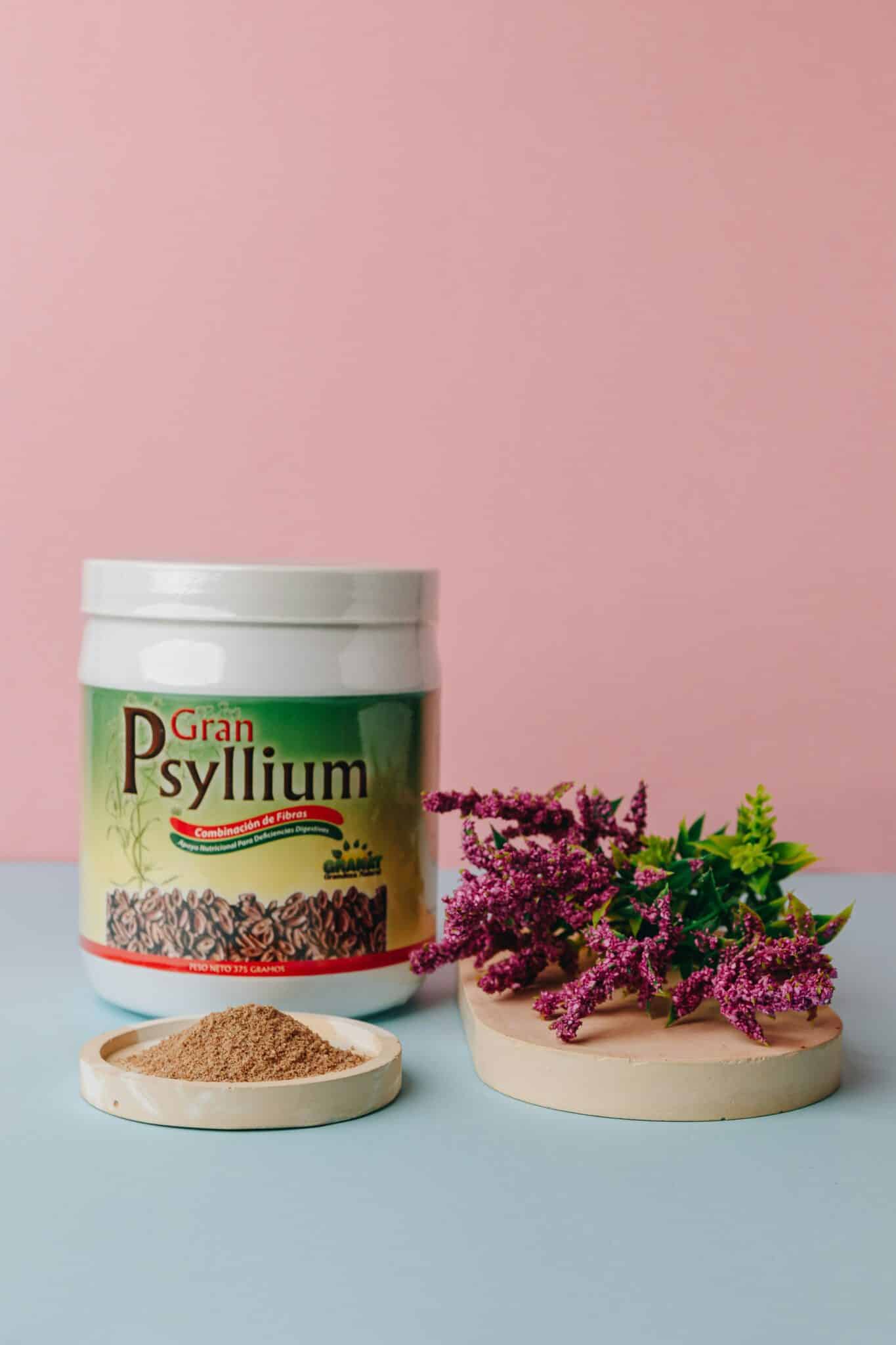
Psyllium husk, a popular dietary fiber supplement derived from Plantago ovata seeds, is widely used for digestive health and cholesterol management. However, recent incidents highlight significant contamination risks that threaten consumer safety, particularly from Salmonella and heavy metals like lead.   

Salmonella Outbreaks  

In 2021, Denmark experienced a severe Salmonella outbreak linked to psyllium supplements, resulting in 33 illnesses, 19 hospitalizations, and three deaths. The outbreak strain was traced to Husk brand capsules, with contamination confirmed in products recovered from patients’ homes. Those affected, ranging from ages 2 to 92, included immunocompromised individuals using psyllium for pre-existing gastrointestinal conditions, potentially masking early symptoms of infection.  This incident marked the first documented case of a herbal supplement causing a Salmonella outbreak in Denmark, prompting international recalls across Scandinavia.   

Heavy Metal Contamination

Beyond pathogens, lead contamination is prevalent in psyllium products. Independent testing of nine supplements found lead in all samples, with four exceeding safety thresholds. One product contained 38.7 mcg of lead per maximum daily serving, over 60 times California’s Proposition 65 warning level.  Lead accumulates in the body and poses long-term neurological and cardiovascular risks, though manufacturers often attribute its presence to environmental pollution during cultivation.   

Why Psyllium Is Vulnerable  

Several factors increase contamination risks:  

  1. Agricultural Sourcing: Psyllium plants absorb heavy metals like lead and arsenic from soil, while exposure to animal feces or contaminated water may introduce Salmonella.   
  2. Processing Gaps: Unlike pharmaceuticals, psyllium husk lacks sterilization during grinding or encapsulation. Its powder form provides an ideal environment for pathogens to persist.   
  3. Consumer Vulnerability: Typical users include elderly or immunocompromised individuals managing chronic digestive issues, who face higher risks of severe outcomes from infections.   

Regulatory and Consumer Responses  

Authorities now emphasize stricter screening:  

  • Manufacturers must test raw materials for pathogens and heavy metals, with recalls initiated at the first sign of contamination.   
  • Consumers should discard recalled lots immediately, verify third-party safety certifications (e.g., NSF, USP), and store supplements in cool, dry conditions to prevent microbial growth.   

While psyllium retains proven benefits for heart and digestive health, these incidents underscore that “natural” sourcing does not guarantee safety. Robust quality control remains critical for protecting high-risk populations.

Share. Facebook Twitter Pinterest LinkedIn Tumblr Email
Avatar photo
Kit Redwine

Related Posts

Wild Pathogens: How Wildlife Brings Foodborne Illness Like Salmonella and E. Coli from Field to Fork

January 9, 2026

The Hidden Dangers of Barbecue Season (Which is Approaching Faster Than You Think) and Undercooked Meat

January 8, 2026

Is It Safe to Eat Salmon or Steak That Is Cooked Rare or Medium Rare? What About Salmonella and E. coli?

January 8, 2026

Danger in Your Kitchen: How Common Food Safety Myths Are Making People Sick

January 6, 2026
Add A Comment
Leave A Reply Cancel Reply

Attorney Advertisement
Ron Simon

Subscribe to Updates

Get the latest food safety recall, outbreak, & investigation news.

Latest Posts

Peace by Chocolate Recalls Pistachio-Containing Chocolates Amid Salmonella Contamination Concern

January 10, 2026

Frozen Tater Tots Recalled in 26 States Due to Possible Plastic Contamination

January 10, 2026

Cheese Recall Escalated to Highest Risk Category as Listeria Contamination Spreads Across U.S. Markets

January 10, 2026

Food Poisoning News is a website devoted to providing you with the most current information on food safety, dangerous pathogens, food poisoning outbreaks and outbreak prevention, and food poisoning litigation.

We're social. Connect with us:

Facebook X (Twitter) YouTube
Latest Posts

Peace by Chocolate Recalls Pistachio-Containing Chocolates Amid Salmonella Contamination Concern

January 10, 2026

Frozen Tater Tots Recalled in 26 States Due to Possible Plastic Contamination

January 10, 2026

Cheese Recall Escalated to Highest Risk Category as Listeria Contamination Spreads Across U.S. Markets

January 10, 2026
Get Informed

Subscribe to Updates

Get the latest food safety recall, outbreak, & investigation news.

Facebook X (Twitter) YouTube
  • Home
© 2026 Food Poisoning News. Sponsored by Ron Simon & Associates a Houston, TX law firm. Powered by ArmaVita.
Our website and content are for informational purposes only. Food Poisoning News does not provide legal advice, medical advice, diagnosis, or treatment.

Type above and press Enter to search. Press Esc to cancel.