

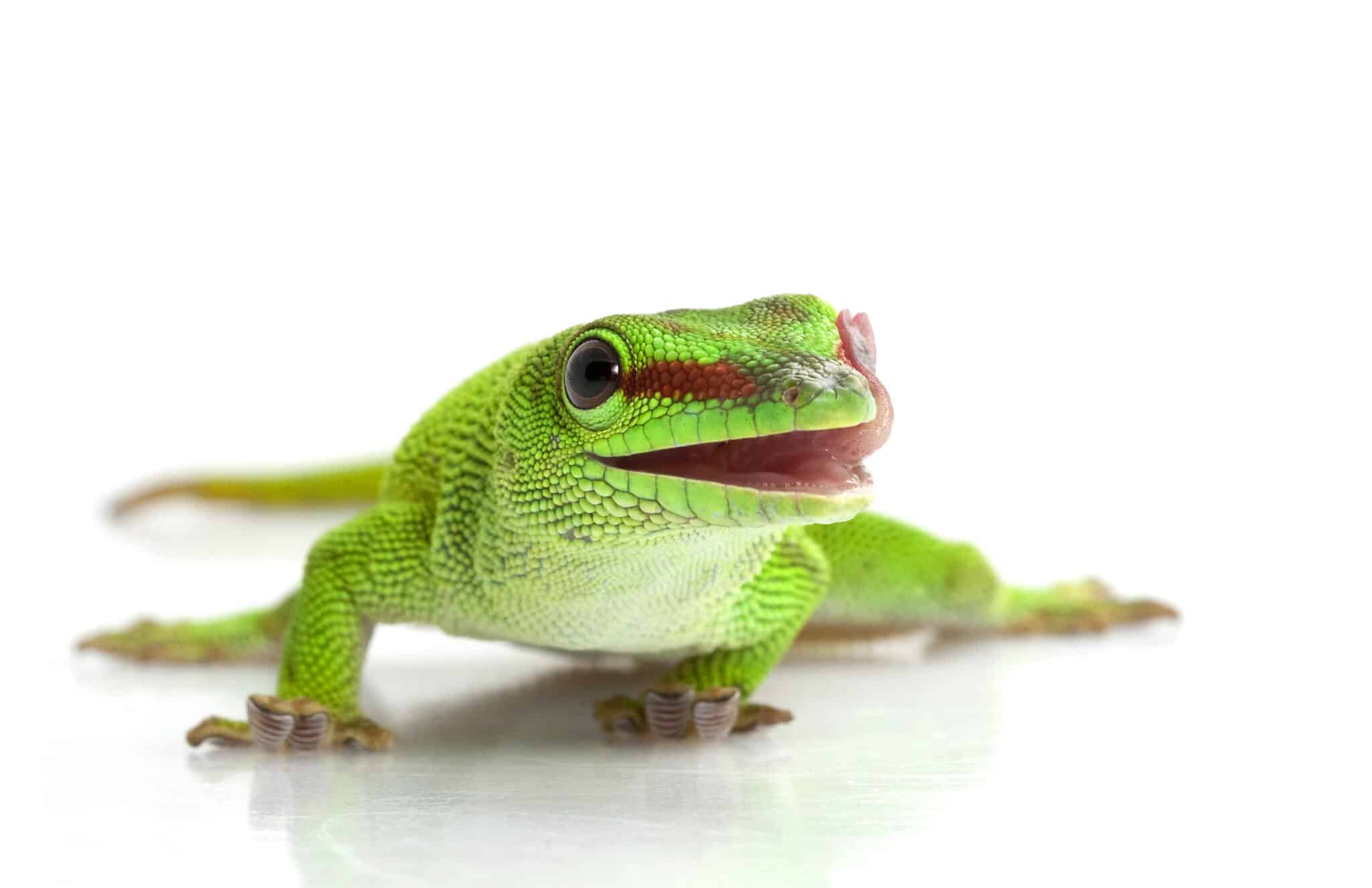

On Friday, September 27, 2024, the Public Health Agency of Canada issued a public health notice for an outbreak of Salmonella Muenchen connected to pet geckos. Salmonella is a bacterium that can cause severe illness in both animals and humans.
Geckos are small lizards that are found on every continent except Antarctica.
Background
The Public Health Agency of Canada is actively investigating this outbreak, which has resulted in 25 confirmed cases of Salmonella Muenchen infection spanning from August 2020 to September 2024.
The ages of those infected range from 1 to 103 years old with 64% being female.
There have been three hospitalizations and one reported death.
As with many outbreaks, the actual number of infections may be higher than reported, as many people recover without seeking medical attention or undergoing testing for Salmonella.
The link between the infections and geckos was established through patient interviews. Many of the affected individuals reported either direct contact with geckos or exposure to environments where these reptiles are kept. Some of the affected became ill without directly handling the geckos because they lived in households where the reptiles were present.
This outbreak follows a previous Salmonella Lome outbreak earlier in 2024, also linked to geckos, which was investigated between March 22 and May 14.
Distribution of Illnesses
So far, 25 cases have been reported across the following Canadian provinces:
- Alberta – 2 infections
- British Columbia – 1 infection
- Manitoba – 1 infection
- Newfoundland and Labrador – 3 infections
- Nova Scotia – 3 infections
- Ontario – 13 infections
- Quebec – 2 infections
Health Risks
Anyone experiencing symptoms of Salmonella infection should contact their healthcare provider immediately.
Salmonella infections typically manifest symptoms within 6 to 72 hours after exposure to the bacteria. Common symptoms include fever, chills, nausea, vomiting, diarrhea, headache, and abdominal cramps. While most people recover without treatment in 4 to 7 days, certain groups face a higher risk of severe illness, including young children, seniors, pregnant women, and those with compromised immune systems.
The bacteria can be spread even by individuals who are not showing symptoms, with the potential for transmission lasting from several days to several weeks after infection. This can occur through person-to-person contact or by touching contaminated surfaces.
Public Action
To mitigate the risk of Salmonella infection from geckos and other reptiles, health authorities have issued several preventive measures:
- Hand hygiene – Thorough handwashing with soap and water is crucial after any contact with reptiles, their habitats, or surfaces they may have touched.
- Environmental cleaning – Regularly clean and sanitize surfaces and objects that come into contact with reptiles.
- Supervision of children – Adults should always supervise children when they interact with reptiles and ensure proper hand hygiene afterward. Children under 5 years old should not handle reptiles at all.
- Separation of reptiles from food areas – Keep reptiles and their supplies away from kitchens and other areas where food is prepared or consumed.
- Proper habitat maintenance – Clean reptile enclosures and accessories outside the home when possible, or use dedicated cleaning areas that can be thoroughly sanitized afterward.
- Awareness of reptile stress – Understand that stressed reptiles may shed more Salmonella, and ensure they are kept in appropriate, specially designed habitats.
- Consideration of household members – Families with young children, pregnant women, immunocompromised individuals, or adults over 65 should consult healthcare providers or veterinarians before choosing a reptile as a pet.
Reptiles, including geckos, can carry Salmonella bacteria without appearing ill. Transmission can occur through direct contact with the reptile or its environment, or indirectly through contaminated surfaces or objects. This risk extends beyond private homes to public spaces where reptiles may be exhibited, such as birthday parties, schools, daycares, museums, science centers, zoos, and traveling reptile shows.
Health officials advise against keeping reptiles in facilities with children aged 5 years and under, such as daycare centers and schools. Do not kiss pet reptiles or allow them near faces or shared food and drinks.
Proper habitat design and maintenance are crucial for the health of both the pet and its human caretakers.
Members of the public with additional questions or concerns can contact the Public Health Agency of Canada by phone at 866-225-0709 or via email at [email protected].
Previous Health Alerts
Food Poisoning News has reported this year on several outbreaks of illness linked to pets and animals near the household:
- CDC Investigating Small Pet Turtles Linked to Salmonella Outbreak in 21 States
- CDC Investigation into Salmonella Outbreak Connected to Beard Dragons
- CDC Issues Salmonella Alert Linked to Backyard Poultry
Last week, Food Poisoning News published an article on the dangers of pets and livestock in the spread of zoonotic (illnesses that can be passed from animals to humans) diseases.
Commenting on this article, one national Salmonella lawyer said, “This outbreak is a reminder that there are always potential risks associated with pets. I strongly advise any consumer with geckos, or other lizards, to closely follow safety recommendations to reduce the risk of infection.”
