

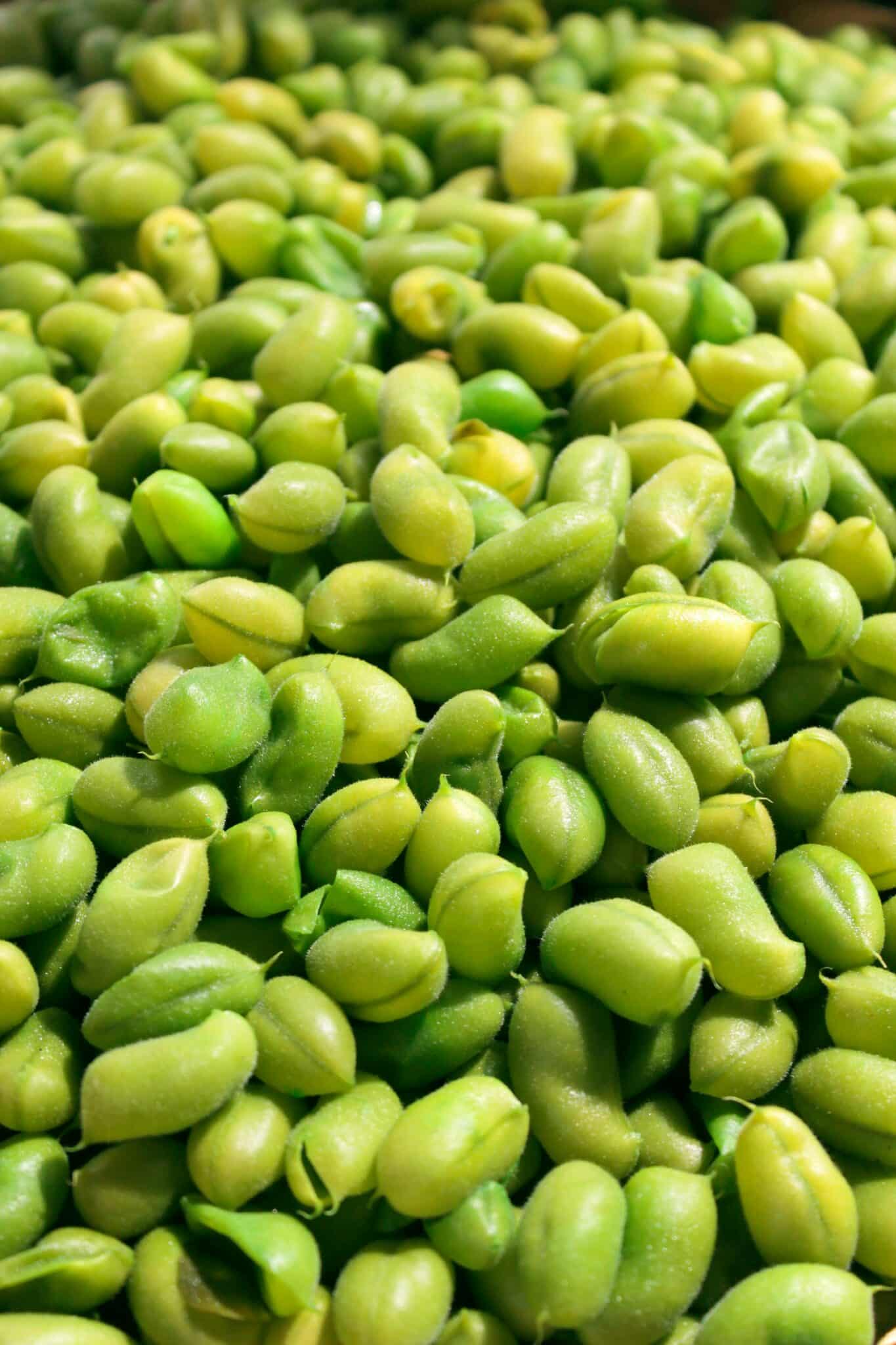

In mid‑July 2025, the CDC and FDA issued an alert about a multistate salmonella outbreak traced to Deep‑brand frozen sprouted beans, specifically mat (moth) and moong (mung) varieties. As of the July 17 update:
- 11 confirmed cases across 10 states
- 4 hospitalizations, no deaths
- Products were recalled July 16 by Chetak LLC Group
Though the case count is low, the illnesses began as far back as October 22, 2024, with the latest onset on June 24, 2025, indicating a long-running, intermittent outbreak likely tied to contaminated production batches.
What Are Sprouted Beans, and Why Are They Risky?
Sprouted beans are seeds (like mung and moth) allowed to germinate before freezing. The FDA labels them “sprout outbreaks” because sprouts have repeatedly been linked to foodborne illnesses.
Their unique risk stems from:
- High moisture, ideal for bacteria to grow
- Warm sprouting conditions, perfect for Salmonella
- Contaminated seeds carrying bacteria internally
- Post-sprouting processing that may not eliminate pathogens
This combination allows a single contaminated seed to infect an entire batch, even when frozen.
How Did Authorities Trace It?
While consumers reported illnesses, the breakthrough came during routine FDA product sampling in May. The agency found Salmonella in frozen sprouted bean samples. Whole-genome sequencing (WGS) revealed the same Salmonella Anatum strain linked to human cases. Epidemiological data confirmed at least 4 out of 6 interviewed sick individuals had consumed these products before falling ill. Upon confirmation, Chetak LLC Group promptly issued a recall.
Details of the Recall
Deep-brand frozen sprouted mat and moong beans in 1‑lb packages are affected. Affected lot codes include IN 24330, 25072, 25108, 24353, and several others. The recall applies to retail and mail-order distribution nationwide.
Consumers and food businesses are advised to:
- Discard or return these products
- Clean and sanitize any contact surfaces, utensils, or containers
Symptoms & Who’s at Risk
Typical salmonellosis symptoms emerge 6–72 hours after exposure and include:
- Diarrhea
- Fever
- Abdominal cramps
Symptoms typically resolve in 4–7 days, but individuals under 5, over 65, or with weakened immune systems may experience more severe illness that requires medical attention.
Duration and Spread
The outbreak spans October 2024 to June 2025, reflecting sporadic contamination tied to frozen product. The delayed recognition underscores the challenge of detecting foodborne pathogens in frozen items, which can remain on shelves for months.
Prevention & Best Practices
This outbreak highlights important lessons:
- Seed selection and testing
- Producers should use sprout seeds tested for pathogens and consider seed treatments.
- Producers should use sprout seeds tested for pathogens and consider seed treatments.
- Controlled sprouting conditions
- Strict hygiene and temperature protocols can inhibit bacterial growth during germination.
- Strict hygiene and temperature protocols can inhibit bacterial growth during germination.
- Sampling and WGS for surveillance
- Regular product testing and genetic fingerprinting help catch contamination before outbreaks expand.
- Regular product testing and genetic fingerprinting help catch contamination before outbreaks expand.
- Consumer handling
- Even frozen sprouts should be handled carefully—sanitize surfaces and follow recall instructions.
Safe Consumption Tips
For consumers:
- Check recall details: Avoid products with affected lot codes.
- Sanitize thoroughly surfaces and utensils after handling sprouts.
- Cook sprouts fully before eating, as cooking kills Salmonella.
- Stay alert to symptoms, especially if you’re in a high-risk group.
Final Note
Thanks to coordinated efforts by the CDC, FDA, and Chetak LLC Group, recalled products have been removed from the market. Four hospitalizations occurred, but no fatalities, a reminder that swift action can contain outbreaks before they worsen.For now, consumers, retailers, and foodservice providers should heed recall notices and adopt better sprout handling practices. In the frozen aisles and fresh-produce sections alike, vigilance remains our best defense against hidden pathogens.
