
Close Menu
  • Food Poisoning
    • Symptoms
    • Prevention
    • Treatment
    • Causes
  • Pathogens
    • Botulism
    • Campylobacter
    • E. coli
    • Cyclospora
    • Norovirus
    • Hepatitis A
    • Salmonella
    • Listeria
    • Shigella
  • Food Safety
    • How to wash your hands
    • Food Safty And The Holidays
  • Legal
    • Can I sue for Food Poisoning?
    • E. coli Lawyer
      • E. coli Lawsuit
    • Salmonella Lawyer
      • Salmonella Lawsuit
    • Botulism Lawyer
    • Cyclospora Lawyer
    • Shigella Lawyer
    • Hepatitis A Lawyer
  • Outbreaks and Recalls
  • Connect With A Lawyer
What's Hot

Neurolisteriosis: Why Listeria Monocytogenes Causes Meningitis and Encephalitis

January 19, 2026

Back-to-School Food Risks: How Lunch Packing, Cafeterias, and Shared Spaces Increase Food Poisoning

January 14, 2026

Campylobacter Infection: Where It Comes From and Why It’s One of the Most Common Foodborne Illnesses

January 14, 2026
Facebook X (Twitter) Instagram
Facebook X (Twitter) YouTube
  • About
  • Contact Us
Food Poisoning NewsFood Poisoning News
  • Home
  • Food Poisoning
    • What is Food Poisoning?
      • Symptoms
      • Causes
      • Prevention
      • Treatment
      • Statistics
    • Pathogens
      • Botulism
      • Campylobacter
      • E. coli
      • Hepatitis A
      • Shigella
      • Norovirus
      • Salmonella
      • Cyclospora
      • Listeria
  • Food Safety
    • How to wash your hands
    • Food Safty And The Holidays
  • Legal
    • Salmonella Lawyer
      • Salmonella Lawsuit
    • E. coli Lawyer
      • E. coli Lawsuit
    • Cyclospora Lawyer
    • Shigella Lawyer
    • Hepatitis A Lawyer
    • Botulism Lawyer
  • Outbreaks and Recalls
Food Poisoning NewsFood Poisoning News
Home»Featured»Sanitation Challenges with Mobile Food Trucks
Sanitation Challenges with Mobile Food Trucks
Featured

Sanitation Challenges with Mobile Food Trucks

Kit RedwineBy Kit RedwineJuly 6, 2025No Comments2 Mins Read
Share
Facebook Twitter LinkedIn Pinterest Email Reddit

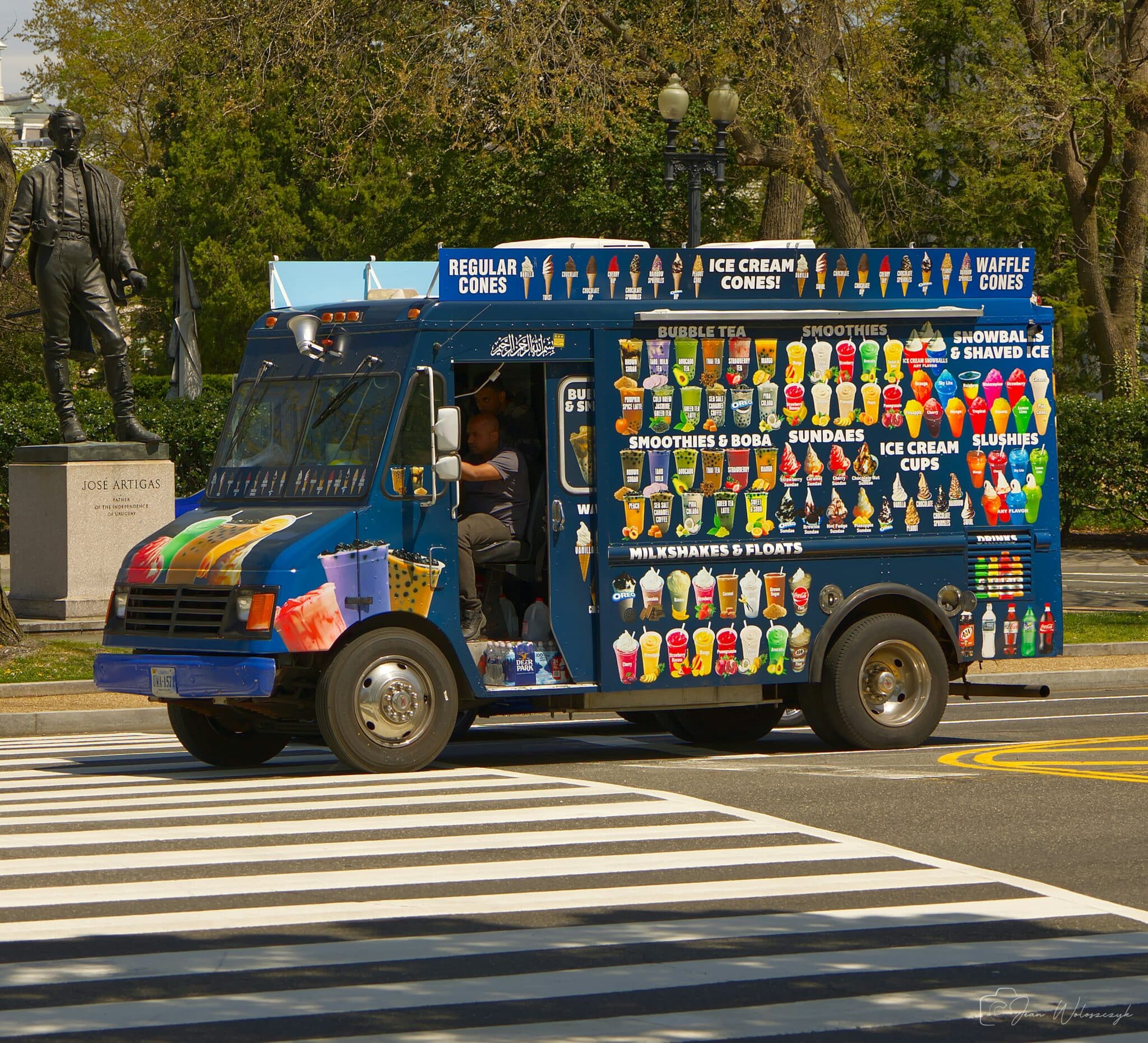
The explosive growth of food trucks across American cities has introduced not only new and exciting cuisines, but also unique food safety complexities as a result of their compact, mobile kitchens. These operations face distinctive sanitation hurdles compared to traditional restaurants, primarily stemming from spatial constraints and operational mobility.  

Temperature Control Vulnerabilities  

Maintaining proper food temperatures remains a critical challenge, with Suffolk County, NY, citing improper holding temperatures in 43% of food truck violations.  Limited refrigeration space and power fluctuations during transit increase risks of foods entering the “danger zone” (40°F-140°F) where pathogens multiply rapidly. The confined workspace also complicates monitoring, as thermometers may be inaccessible during peak service.   

Hand Hygiene Limitations  

Inadequate hand washing accounted for nearly 19% of violations in the same study.  Tiny kitchens often accommodate only one handwashing sink, which may be obstructed during service. Water tank capacities limit available water for frequent washing, while high-volume periods pressure staff to skip proper 20-second protocols.   

Cross-Contamination Threats  

Proximity of raw and ready-to-eat ingredients in tight quarters elevates contamination risks. Suffolk County documented unprotected food storage in 17.8% of inspections.  Single cutting boards may handle proteins and produce consecutively, while utensil storage challenges,  such as knives kept in drawers rather than holders, further exacerbate risks.   

Spatial and Operational Constraints  

The average food truck kitchen spans 50 to 80 square feet, complicating:  

  • Separation of cleaning chemicals from food zones  
  • Implementation of first-in-first-out inventory systems  
  • Access to hidden surfaces for sanitation (e.g., under equipment)   
  • Waste management is particularly challenging without dedicated disposal areas, increasing risks of pest attraction.   

Regulatory and Inspection Gaps  

Jurisdictional variations in codes create compliance complexity, says leading food poisoning law firm Ron Simon & Associates. Meanwhile, inspections frequently occur during non-operational hours when temperature controls and handling practices can’t be evaluated. California researchers noted 90 of 95 trucks had at least one critical violation during operational assessments, risks missed during stationary inspections.  Additionally, 16.9% of Suffolk County violations involved absent certified managers.   

Innovative approaches, including mobile-specific manager certifications, unannounced operational inspections, and space-efficient sanitation protocols, are emerging to address these challenges without compromising the culinary innovation that defines the industry. 

Share. Facebook Twitter Pinterest LinkedIn Tumblr Email
Avatar photo
Kit Redwine

Related Posts

Neurolisteriosis: Why Listeria Monocytogenes Causes Meningitis and Encephalitis

January 19, 2026

State Fair Was Source of Arizona E. coli Outbreak 

January 14, 2026

Harnessing Our Microbial Allies: How Probiotics Wage War on Foodborne Pathogens Like Salmonella and E. Coli

January 12, 2026

Frozen Tater Tots Recalled in 26 States Due to Possible Plastic Contamination

January 10, 2026
Add A Comment
Leave A Reply Cancel Reply

Attorney Advertisement
Ron Simon

Subscribe to Updates

Get the latest food safety recall, outbreak, & investigation news.

Latest Posts

Neurolisteriosis: Why Listeria Monocytogenes Causes Meningitis and Encephalitis

January 19, 2026

Back-to-School Food Risks: How Lunch Packing, Cafeterias, and Shared Spaces Increase Food Poisoning

January 14, 2026

What Foods Are Most Likely to Carry Salmonella—and Why Contamination Happens So Easily

January 14, 2026

Food Poisoning News is a website devoted to providing you with the most current information on food safety, dangerous pathogens, food poisoning outbreaks and outbreak prevention, and food poisoning litigation.

We're social. Connect with us:

Facebook X (Twitter) YouTube
Latest Posts

Neurolisteriosis: Why Listeria Monocytogenes Causes Meningitis and Encephalitis

January 19, 2026

Back-to-School Food Risks: How Lunch Packing, Cafeterias, and Shared Spaces Increase Food Poisoning

January 14, 2026

What Foods Are Most Likely to Carry Salmonella—and Why Contamination Happens So Easily

January 14, 2026
Get Informed

Subscribe to Updates

Get the latest food safety recall, outbreak, & investigation news.

Facebook X (Twitter) YouTube
  • Home
© 2026 Food Poisoning News. Sponsored by Ron Simon & Associates a Houston, TX law firm. Powered by ArmaVita.
Our website and content are for informational purposes only. Food Poisoning News does not provide legal advice, medical advice, diagnosis, or treatment.

Type above and press Enter to search. Press Esc to cancel.