

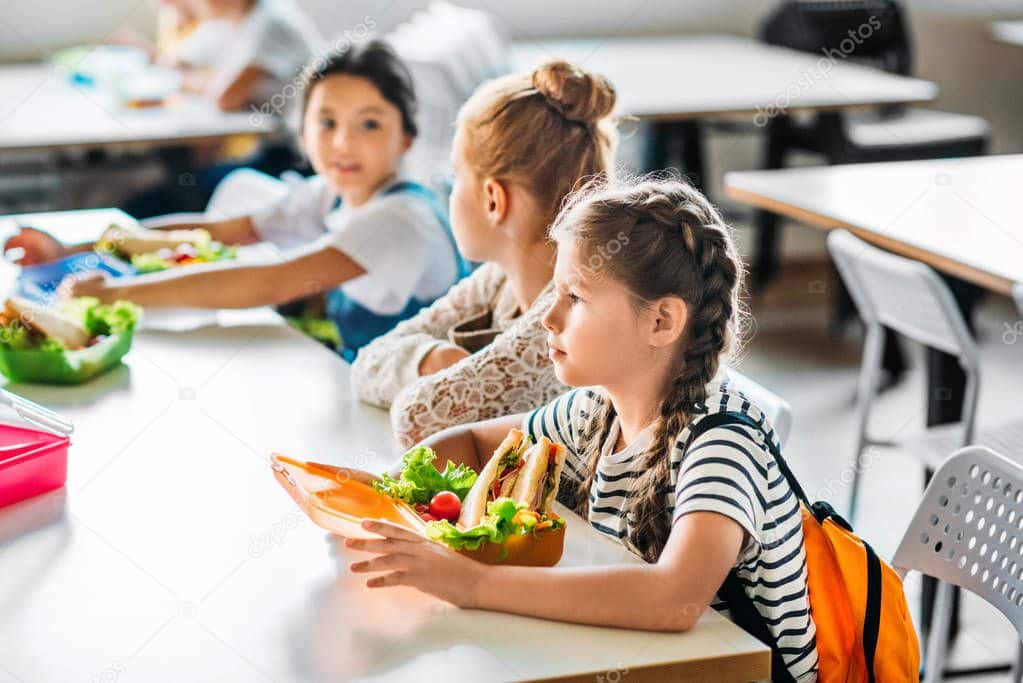

School Cafeteria Safety: What Parents Should Know Beyond the Lunch Line
For parents, school cafeterias represent a mix of convenience and trust. Five days a week, millions of children eat breakfast or lunch provided by their schools. Families assume these meals meet not just nutrition standards but also safety standards.
But foodborne illness doesn’t stop at the school door. Even with regulations and oversight, outbreaks tied to school meals continue to happen. The cafeteria line, with its high volume of meals and tight budgets, is a unique environment — and one that deserves a closer look from parents.
Why Cafeterias Are Vulnerable
School cafeterias serve hundreds, sometimes thousands, of meals in a matter of minutes. That scale introduces challenges:
- Large batches: When food is prepared in bulk, one contaminated ingredient can affect many students.
- Storage and transport: Meals may be prepared hours earlier and held in warming trays or refrigerators until service.
- Staffing issues: Cafeteria workers may lack formal food-safety training, especially in smaller or rural districts.
- Young consumers: Children are more vulnerable to severe illness from pathogens like Salmonella and E. coli.
Even one lapse — a fridge not cold enough, a chicken patty undercooked — can trigger illness across an entire school.
Case Study 1: 2012 Salmonella Outbreak in School Lunch Program
In 2012, a Salmonella outbreak revealed the risks of large-scale cafeteria distribution.
- Impact: Dozens of children were sickened across multiple states.
- Cause: Mechanically separated chicken, distributed through the USDA’s National School Lunch Program, was contaminated before reaching schools.
- Why it mattered: Because the chicken was part of a federal program, it was widely served across different districts, magnifying exposure. The outbreak showed how a single supplier problem could ripple across cafeterias nationwide.
Case Study 2: 2018 E. coli Outbreak Linked to Romaine Lettuce in Schools
In 2018, a multistate E. coli O157:H7 outbreak tied to romaine lettuce reached beyond restaurants and homes — into schools.
- Impact: The CDC reported 210 cases across 36 states, including multiple hospitalizations and 5 deaths. Romaine lettuce served in cafeterias was among the sources.
- Cause: Contaminated irrigation water in the Yuma, Arizona growing region carried the bacteria into fields, and eventually into packaged romaine. Schools that purchased bagged lettuce unknowingly served contaminated salads to children.
- Why it mattered: Parents expected that cafeteria salads were safe. Instead, kids were exposed to one of the deadliest E. coli outbreaks in U.S. history.
What These Cases Teach Us
Both outbreaks highlight the same vulnerability: cafeterias depend on national supply chains. When a supplier is contaminated, children in multiple schools and states are at risk.
Unlike at home, parents can’t control what goes into a cafeteria meal. That makes transparency and accountability at the institutional level even more important.
What Parents Can Do
Parents can advocate for safer cafeteria practices by:
- Asking questions: Schools should disclose suppliers and food safety protocols.
- Pushing for training: Cafeteria staff should receive proper certification in food handling.
- Promoting awareness: Encourage children to wash hands before and after meals.
- Following recalls: Stay updated on recalls that might affect school lunches and raise concerns if needed.
The Role of Schools and Agencies
Schools and districts bear the primary responsibility for keeping cafeterias safe:
- Strict temperature monitoring: Food must be stored and served at safe temperatures.
- Supplier audits: Districts should vet suppliers and adjust contracts if safety lapses occur.
- Clear communication: Parents should be informed immediately of any suspected foodborne illness.
Government agencies like USDA and CDC provide oversight, but local vigilance is critical.
Final Thoughts
School cafeterias symbolize trust. Parents assume that meals served to children won’t cause harm. But the Salmonella outbreak of 2012 and the E. coli outbreak of 2018 remind us that schools are not immune to the food safety challenges faced nationwide.
The solution is not fear, but awareness. Parents, schools, and agencies must work together to ensure that cafeteria meals are as safe as they are convenient. After all, children deserve to learn and play without foodborne illness cutting their school days short.
