

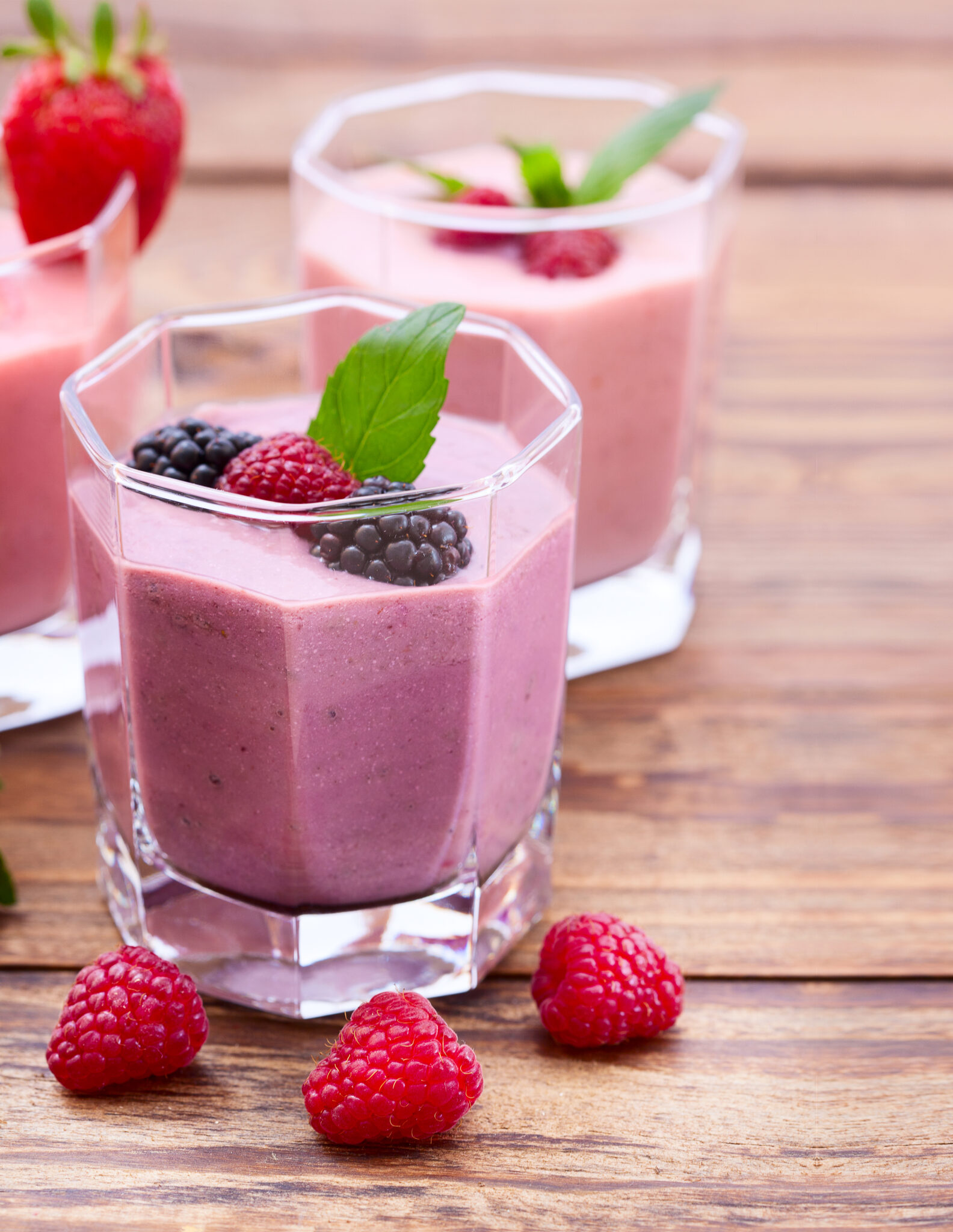

Smoothies Gone Sour: How Blended Drinks Can Hide Pathogens
Smoothies are the poster child of health. Packed with frozen berries, leafy greens, and protein powders, they’re marketed as the easiest way to drink your vitamins. Coffee shops and gyms sell them by the gallon, and home blenders whir to life in kitchens across the country every morning.
But there’s a side of smoothies that rarely makes it into glossy ads: they can also be vehicles for serious foodborne illnesses. Because smoothies often contain raw ingredients — and because blending distributes contamination evenly — a single tainted strawberry, seed, or leaf of spinach can spread bacteria or viruses to every sip.
Why Smoothies Pose Hidden Risks
Unlike many cooked meals, smoothies bypass heat, one of the most reliable tools for killing pathogens. Fresh produce, frozen fruit, nut butters, and seeds all come with risks:
- Frozen doesn’t mean safe. Freezing halts bacterial growth, but it doesn’t kill pathogens like Salmonella or viruses like Hepatitis A. Once thawed or blended, they can flourish.
- Leafy greens are repeat offenders. Spinach and kale have been tied to multiple E. coli and Salmonella outbreaks. A single contaminated leaf can affect an entire batch.
- Blenders spread contamination. A dirty blender base or blade can transfer bacteria from one smoothie to the next. Even worse, once blended, bacteria spread throughout the drink, making it impossible to avoid.
- High-risk ingredients. Add-ins like protein powders, nut butters, or raw sprouts have all been implicated in outbreaks.
Consumers assume smoothies are fresh, nutritious, and safe — but the reality is that pathogens often hide behind the “healthy” label.
Case Study 1: 2016 Hepatitis A Outbreak Linked to Frozen Strawberries
- Impact: The CDC confirmed 143 illnesses across nine states. Dozens required hospitalization.
- How it happened: Frozen strawberries used in smoothies were contaminated before import. Once blended into drinks, they carried the virus directly to customers.
- Why it mattered: This outbreak shocked health-conscious consumers. Smoothies were supposed to be a “safe” alternative to fast food, yet they became the source of a viral outbreak that could cause weeks of illness, liver complications, and in rare cases, death.
Case Study 2: 2013 Salmonella Outbreak Linked to Pomegranate Seeds
Just three years earlier, another smoothie-related outbreak made headlines. In 2013, a multistate outbreak of Salmonella Typhimurium was linked to raw pomegranate seeds imported from Turkey.
- Impact: The CDC confirmed 165 illnesses across 10 states, with 41 hospitalizations.
- Where it was found: The contaminated seeds were sold as frozen blends and often used in smoothies, yogurts, and juices.
- Why it mattered: Many victims assumed frozen or pre-packaged seeds were safe. Instead, the outbreak showed how international supply chains can deliver pathogens straight into a blender, where they’re mixed into a drink served as “health food.”
What These Outbreaks Teach Us
Both the strawberry Hepatitis A and the pomegranate Salmonella outbreaks underscore the same truth: smoothies are only as safe as their weakest ingredient. Whether frozen, fresh, or imported, contamination can sneak in at any stage — and blending ensures it spreads throughout.
Consumers often assume that “healthy” foods are automatically safe, but pathogens don’t discriminate. Smoothies combine dozens of ingredients, and each one is a potential entry point.
How to Protect Yourself
The good news: you don’t need to swear off smoothies forever. Food safety experts recommend a few simple steps to minimize risk:
- Know your source. Buy frozen fruit and seeds from trusted suppliers with strong safety practices.
- Wash produce. Rinse fresh fruits and greens under running water before blending. Even bagged “triple-washed” greens benefit from another rinse.
- Use pasteurized juices. If using juice as a base, stick to pasteurized options — especially for kids, pregnant women, or the elderly.
- Clean your blender. Take apart the blade and base after each use. Spills and pulp stuck in the crevices can harbor bacteria.
- Stay alert for recalls. Outbreak alerts from the CDC and FDA often involve frozen fruits and leafy greens used in smoothies. Sign up for recall notifications to stay ahead.
Why This Matters for Public Health
Smoothie outbreaks highlight the challenges of modern food systems. Ingredients may come from farms across the globe, packaged in bulk, and sold under the “healthy lifestyle” brand. Once a pathogen sneaks in, it can reach thousands of consumers before detection.
For legal advocates, including firms like Ron Simon & Associates, these outbreaks underscore accountability. Consumers reasonably expect that frozen fruit sold for smoothies won’t carry viruses like Hepatitis A. When companies fail to ensure safety, lawsuits and recalls follow — driving improvements across the industry.
Final Thoughts
Smoothies represent the promise of modern convenience: quick, tasty nutrition in a cup. But as the 2013 and 2016 outbreaks prove, that convenience can come with a hidden cost.
The lesson isn’t to fear your blender, but to respect it. Handle ingredients with care, know the risks of raw produce, and treat “healthy” drinks with the same caution you would any other food.
Because when it comes to food safety, even a sip can change everything.
