
Close Menu
  • Food Poisoning
    • Symptoms
    • Prevention
    • Treatment
    • Causes
  • Pathogens
    • Botulism
    • Campylobacter
    • E. coli
    • Cyclospora
    • Norovirus
    • Hepatitis A
    • Salmonella
    • Listeria
    • Shigella
  • Food Safety
    • How to wash your hands
    • Food Safty And The Holidays
  • Legal
    • Can I sue for Food Poisoning?
    • E. coli Lawyer
      • E. coli Lawsuit
    • Salmonella Lawyer
      • Salmonella Lawsuit
    • Botulism Lawyer
    • Cyclospora Lawyer
    • Shigella Lawyer
    • Hepatitis A Lawyer
  • Outbreaks and Recalls
  • Connect With A Lawyer
What's Hot

Interesting Research into Food Poisoning (Think Salmonella, Listeria, and E. coli) Slated for 2026

January 9, 2026

Wild Pathogens: How Wildlife Brings Foodborne Illness Like Salmonella and E. Coli from Field to Fork

January 9, 2026

Antibiotic-Resistant Foodborne Infections: A Growing Threat at the Dinner Table

January 9, 2026
Facebook X (Twitter) Instagram
Facebook X (Twitter) YouTube
  • About
  • Contact Us
Food Poisoning NewsFood Poisoning News
  • Home
  • Food Poisoning
    • What is Food Poisoning?
      • Symptoms
      • Causes
      • Prevention
      • Treatment
      • Statistics
    • Pathogens
      • Botulism
      • Campylobacter
      • E. coli
      • Hepatitis A
      • Shigella
      • Norovirus
      • Salmonella
      • Cyclospora
      • Listeria
  • Food Safety
    • How to wash your hands
    • Food Safty And The Holidays
  • Legal
    • Salmonella Lawyer
      • Salmonella Lawsuit
    • E. coli Lawyer
      • E. coli Lawsuit
    • Cyclospora Lawyer
    • Shigella Lawyer
    • Hepatitis A Lawyer
    • Botulism Lawyer
  • Outbreaks and Recalls
Food Poisoning NewsFood Poisoning News
Home»Opinion & Contributed Articles»The Psychology of Expiration Dates and Why We Toss Perfectly Safe Food
The Psychology of Expiration Dates and Why We Toss Perfectly Safe Food
Opinion & Contributed Articles

The Psychology of Expiration Dates and Why We Toss Perfectly Safe Food

Kit RedwineBy Kit RedwineApril 28, 2025No Comments3 Mins Read
Share
Facebook Twitter LinkedIn Pinterest Email Reddit

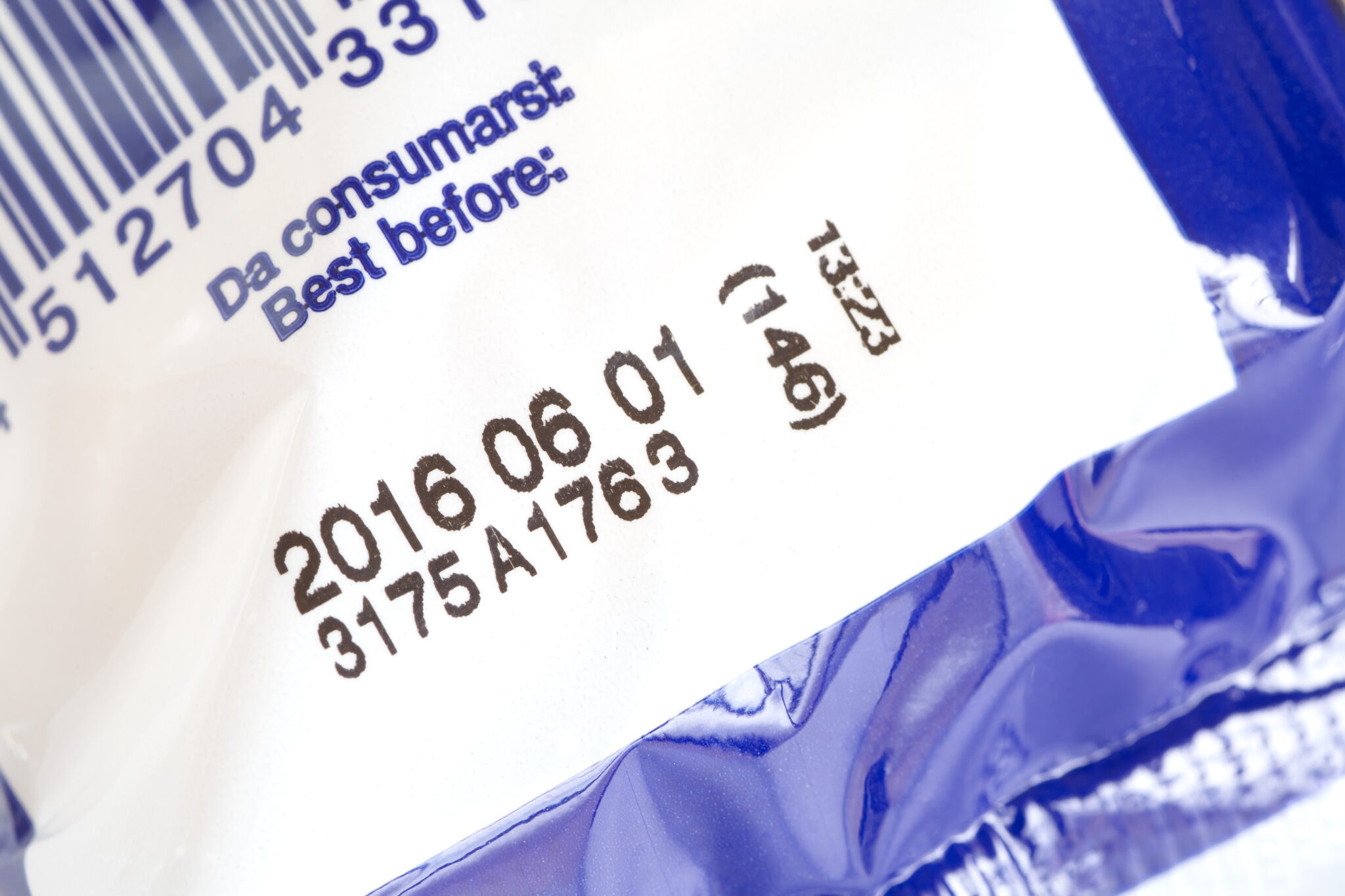
Expiration dates on food packaging are intended to guide consumers on product freshness, yet they often lead to the premature disposal of edible food. Research reveals a complex interplay of psychological, cultural, and systemic factors driving this behavior, contributing to global food waste and economic losses.  

The Ambiguity of Date Labels

Most consumers misinterpret phrases like “best by,” “use by,” and “sell by” as strict indicators of safety, though these labels are primarily tied to quality. The U.S. Department of Agriculture (USDA) estimates that over 80% of Americans discard food based on date labels, despite many items remaining safe to eat. Confusion stems from inconsistent labeling standards: “best by” typically reflects peak flavor or texture, while “sell by” helps retailers manage inventory. Only infant formula is federally required to carry a “use by” date for safety reasons. This lack of uniformity fuels uncertainty, pushing consumers to err on the side of caution.  

Psychological Drivers of Waste

Behavioral studies suggest that fear of foodborne illness and disgust sensitivity heavily influence decisions to discard food. A 2022 study in the Journal of Consumer Psychology found that individuals perceive expired food as inherently risky, even when sensory cues, like smell or appearance, indicate otherwise. This “better safe than sorry” mindset is amplified by societal norms that equate freshness with health and responsibility.  

Cognitive biases also play a role. The “anchoring effect” leads people to fixate on printed dates, overriding their own assessments of food quality. Similarly, “loss aversion” makes the perceived cost of consuming expired food (e.g., illness) feel more significant than the tangible loss of wasting money or resources.  

Cultural and Structural Influences  

In high-income countries, abundant food access and marketing emphasizing “freshness” normalize discarding items past their dates. Retail practices, such as discounts on near-expired products, reinforce the idea that older stock is inferior. Meanwhile, strict food safety regulations for businesses, such as liability concerns, encourage restaurants and grocery stores to dispose of items once dates pass, indirectly shaping consumer behavior.  

Globally, approximately 1.3 billion tons of food are wasted annually, with date labels accounting for 10% of this waste in the EU and U.S., according to the Food and Agriculture Organization (FAO). This has economic and environmental repercussions, including $161 billion in annual U.S. losses and increased greenhouse gas emissions from decomposing landfill waste.  

Shifting Perceptions and Solutions  

Efforts to reduce date-related waste focus on education and policy changes. Organizations like the Harvard Food Law and Policy Clinic advocate for standardized labels, such as “best if used by” for quality and “expires on” for safety. The EU’s 2023 revision of date-labeling guidelines aims to clarify these terms, while U.S. states like California and New York have introduced bills to align labeling language.  

Public awareness campaigns, such as the USDA’s “FoodKeeper App,” educate consumers on safe storage timelines. Retailers like Walmart and Tesco have removed date labels from select produce, relying on customer judgment. Innovations in “smart packaging,” which changes color to indicate spoilage, could further decouple safety from arbitrary dates.  

A Path Forward  

While expiration dates serve a purpose, their psychological impact underscores the need for systemic adjustments. Bridging the gap between consumer perceptions and scientific reality, through clearer labeling, education, and technology, could mitigate waste without compromising safety. 

Commenting on this article, the nation’s leading food poisoning lawyer said, “As our food systems face growing strain from climate change and population growth, rethinking date labels emerges as a reasonable step towards better sustainability.”

Share. Facebook Twitter Pinterest LinkedIn Tumblr Email
Avatar photo
Kit Redwine

Related Posts

Calmer Inside: Everyday Choices That Support an Anti-Inflammatory Life

January 8, 2026

What Is the Most Common Serotype of E. coli That Produces Shiga Toxin, and How Is It Spread?

January 7, 2026

What Are the Hidden Dangers in Freezing Food?

January 7, 2026

Turning a Personal Passion for Health Into Community Impact

December 30, 2025
Add A Comment
Leave A Reply Cancel Reply

Attorney Advertisement
Ron Simon

Subscribe to Updates

Get the latest food safety recall, outbreak, & investigation news.

Latest Posts

Interesting Research into Food Poisoning (Think Salmonella, Listeria, and E. coli) Slated for 2026

January 9, 2026

Wild Pathogens: How Wildlife Brings Foodborne Illness Like Salmonella and E. Coli from Field to Fork

January 9, 2026

Antibiotic-Resistant Foodborne Infections: A Growing Threat at the Dinner Table

January 9, 2026

Food Poisoning News is a website devoted to providing you with the most current information on food safety, dangerous pathogens, food poisoning outbreaks and outbreak prevention, and food poisoning litigation.

We're social. Connect with us:

Facebook X (Twitter) YouTube
Latest Posts

Interesting Research into Food Poisoning (Think Salmonella, Listeria, and E. coli) Slated for 2026

January 9, 2026

Wild Pathogens: How Wildlife Brings Foodborne Illness Like Salmonella and E. Coli from Field to Fork

January 9, 2026

Antibiotic-Resistant Foodborne Infections: A Growing Threat at the Dinner Table

January 9, 2026
Get Informed

Subscribe to Updates

Get the latest food safety recall, outbreak, & investigation news.

Facebook X (Twitter) YouTube
  • Home
© 2026 Food Poisoning News. Sponsored by Ron Simon & Associates a Houston, TX law firm. Powered by ArmaVita.
Our website and content are for informational purposes only. Food Poisoning News does not provide legal advice, medical advice, diagnosis, or treatment.

Type above and press Enter to search. Press Esc to cancel.