

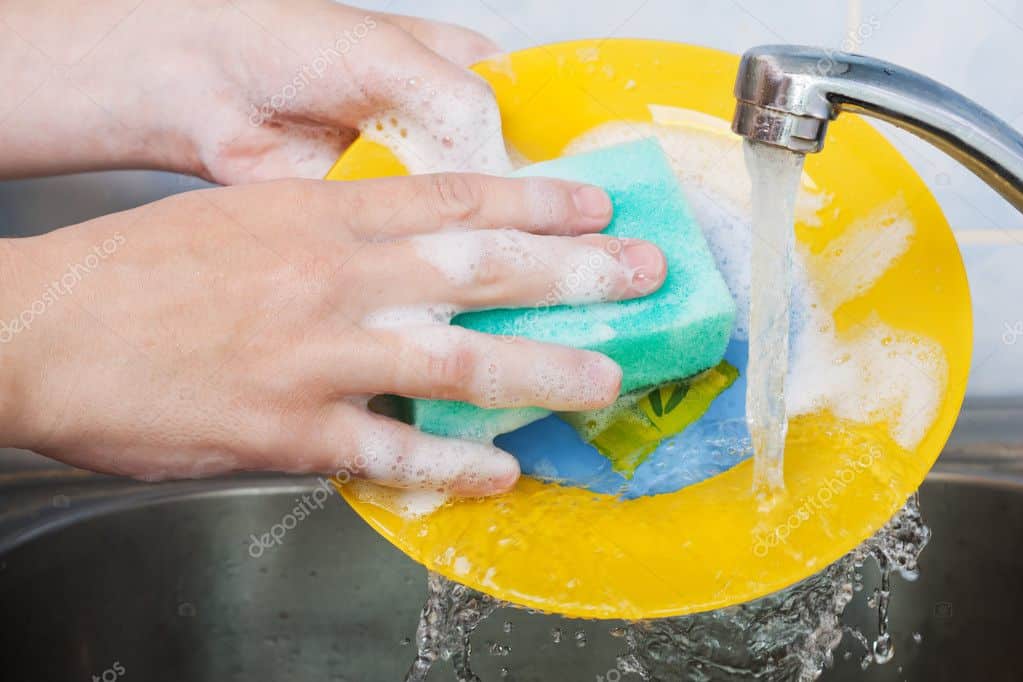

Kitchen sponges and dishcloths, essential tools for cleaning, are among the most contaminated items in households, harboring pathogens (like salmonella or E. coli) that pose risks to food safety and human health. Research highlights how improper maintenance of these tools can inadvertently spread bacteria, contributing to cross-contamination and foodborne illnesses.
High Contamination Levels
Studies show that kitchen sponges and cloths can contain up to 54 billion bacterial cells per cubic centimeter, including harmful pathogens like E. coli, Salmonella, and Staphylococcus aureus. A 2022 USDA-funded study found that 60% of kitchen sponges tested positive for fecal coliforms, with many hosting antibiotic-resistant strains. Moisture and food residue create ideal breeding grounds for microbes, even after rinsing. For example, Pseudomonas aeruginosa, a pathogen linked to respiratory infections, thrives in damp sponges and can survive standard cleaning methods.
Contributing Factors
- Infrequent Replacement: A 2023 NSF International survey revealed that 75% of households use sponges for over two weeks, exceeding the recommended 7-day limit.
- Ineffective Cleaning Methods: While microwaving or boiling sponges reduces bacterial loads by 60–99%, these methods fail to eliminate all pathogens and may damage sponge integrity, accelerating recontamination.
- Cross-Contamination: Sponges used to wipe countertops, sinks, and dishes transfer bacteria across surfaces. A 2021 study found that cleaning a cutting board contaminated with raw chicken using a sponge spread Salmonella to adjacent utensils in 40% of cases.
Health Implications
Contaminated sponges and cloths have been linked to foodborne outbreaks. For instance, a 2019 case study traced a Campylobacter infection in a U.S. household to a sponge used to clean surfaces after handling raw poultry. Additionally, antibiotic-resistant bacteria, such as MRSA and extended-spectrum beta-lactamase (ESBL)-producing E. coli, have been isolated from kitchen sponges, raising concerns about their role in AMR transmission.
Best Practices for Mitigation
- Daily Sanitization: Soak sponges in a bleach solution (1 tablespoon bleach per gallon of water) for 5 minutes or microwave damp sponges for 1–2 minutes.
- Frequent Replacement: Discard sponges every 1–2 weeks and dishcloths after 3–4 days of use.
- Segregation: Use separate sponges for dishes and surfaces, and color-code tools to avoid cross-use.
Challenges and Innovations
Consumer habits remain a barrier. One survey found that 40% of respondents reuse sponges until they disintegrate, often due to cost concerns. However, innovations like antimicrobial sponges infused with copper or silver nanoparticles show promise, reducing bacterial growth by 99% in lab tests. Reusable silicone scrubbers and biodegradable cellulose sponges are also gaining traction as safer alternatives.
Key Recommendations from Health Agencies
- The CDC advises against using sponges to clean surfaces exposed to raw meat or eggs.
- The USDA recommends disinfecting sponges daily and replacing them weekly.
Conclusion
Kitchen sponges and dishcloths, though seemingly harmless, are significant vectors for bacterial contamination and foodborne illness. High microbial loads, driven by infrequent replacement and ineffective cleaning practices, underscore the need for heightened hygiene measures. Emerging innovations, such as antimicrobial materials and biodegradable alternatives, offer potential solutions, but consumer adherence to guidelines, like daily sanitization and tool segregation, remains critical. By prioritizing evidence-based practices from health agencies, households can mitigate risks and safeguard against the hidden dangers lurking in everyday cleaning tools.
