


🥗 The Salad Bar Trap: How ‘Healthy’ Choices Can Carry Deadly Bacteria
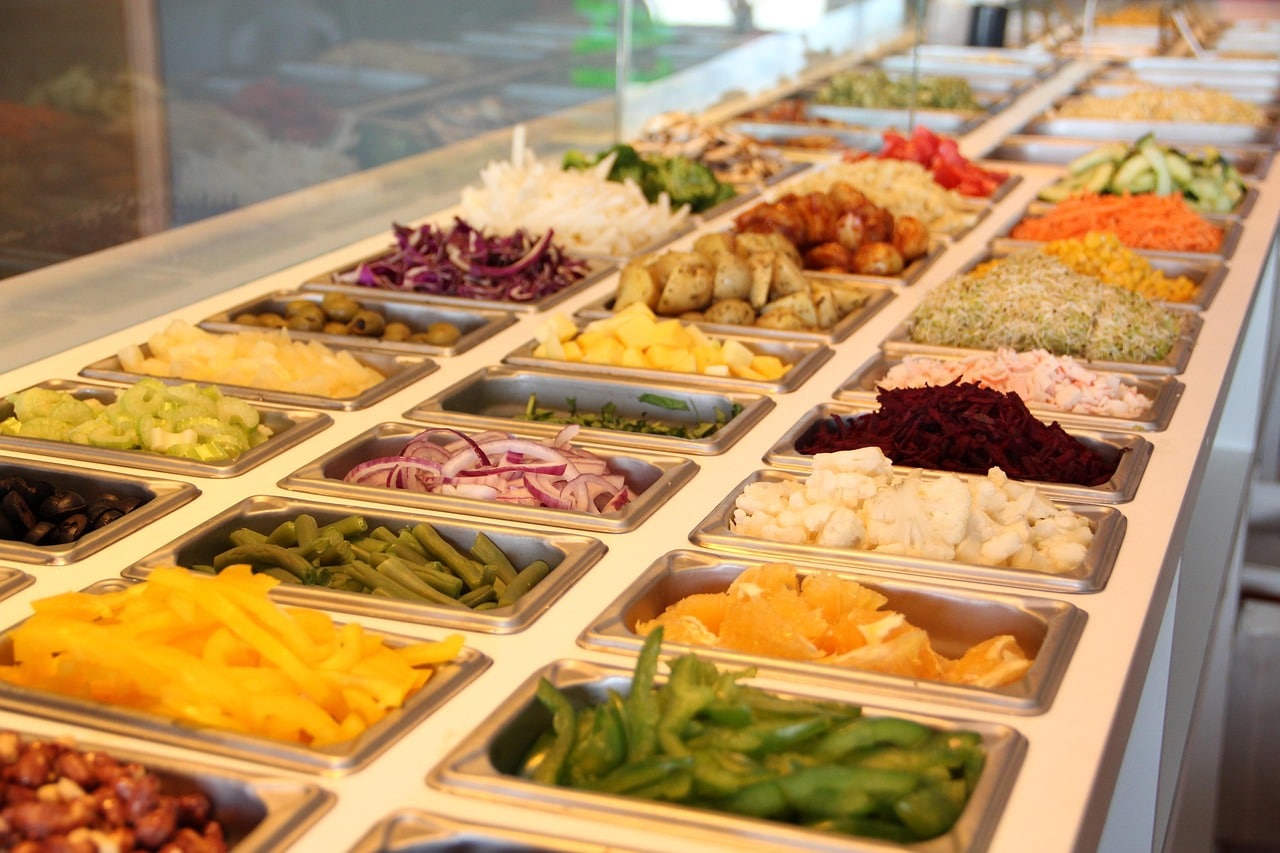
The hum of lunchtime chatter fills the air, and the gleam of stainless steel trays seems to promise freshness. Crisp lettuce, colorful vegetables, grilled chicken, and chilled dressings sit neatly under the glass. The salad bar — a symbol of clean eating and good choices — feels like the healthiest corner of any café or grocery store. But while it may look like a picture of wellness, it hides risks that are easy to overlook.
The Illusion of Freshness
Each leaf of lettuce or slice of tomato has traveled a long way — from field to truck to kitchen to serving tray. Along that journey, bacteria can cling to the surface of produce. Even when washed, tiny microorganisms can remain, especially in crevices or bruised areas. Once the food is placed on the bar, it’s exposed to air, moisture, and people — three ingredients that create the perfect storm for contamination.
Why Salad Bars Are So Risky
The very setup that makes a salad bar appealing also makes it vulnerable. The food sits uncovered and is handled by dozens of people throughout the day.
- Temperature fluctuations: Cold foods should stay below 40°F, but each time the lid is opened or new items are refilled, warm air sneaks in. That slight change gives bacteria time to multiply.
- Shared utensils: Even one person accidentally using the wrong tongs can transfer germs from one food to another.
- Humidity and moisture: The mist that keeps greens looking crisp can create the damp environment bacteria love.
- Human contact: Whether it’s a cough, sneeze, or unwashed hand, salad bars rely on every customer doing the right thing — and not everyone does.
It’s not that salad bars are inherently unsafe, but that they require near-perfect conditions to stay safe all day long.
The Danger in “Ready-to-Eat”
Pre-cut fruits and vegetables make salad bars convenient, but convenience comes with a cost. When produce is sliced, its protective outer layer is broken, exposing a nutrient-rich interior. That open surface becomes an ideal home for bacteria if not stored correctly.
Even when labeled “pre-washed,” these foods aren’t sterile. Washing removes dirt, but not all microorganisms. The more hands, tools, and surfaces food passes through, the higher the chance something goes wrong.
Temperature: The Silent Variable
Most bacteria that cause foodborne illness thrive in what’s called the “danger zone” — between 40°F and 140°F. If salad bar ingredients drift into this range for even a short time, they can multiply quickly.
Cold ingredients like lettuce, eggs, and cheese warm faster than most people realize, especially under overhead lights. At the same time, warm toppings like grilled chicken or roasted vegetables cool down too fast once they’re added to the bar. Maintaining the right temperature on both ends is a constant battle, one that many customers never think about.
The Myth of Clean Appearance
A shiny counter or fresh-looking lettuce doesn’t guarantee safety. Bacteria don’t change a food’s color or smell right away, so contamination can’t be detected by sight or taste.
We often mistake the look of order and cleanliness for proof of safety — what food scientists call the “illusion of control.” Just because a salad bar looks neat doesn’t mean every safety step behind the scenes was followed perfectly.
Human Behavior: The Unseen Risk
Salad bars depend not only on hygiene but also on human behavior. Every person who walks up to the counter becomes part of the food safety chain.
One distracted customer might let a serving spoon touch their sleeve. Another might accidentally cough too close to the food. Someone could handle the tongs after using their phone, spreading bacteria without realizing it. Employees restock ingredients and manage temperatures as best they can, but even a moment’s lapse can undo hours of careful work.
This is why some experts describe salad bars as “communal eating spaces.” They rely on the hygiene of strangers — something we can never fully control.
Staying Safe While Eating Smart
There’s no need to swear off salad bars forever, but being aware makes all the difference. A few thoughtful habits can dramatically lower your risk:
- Check temperature and freshness. Cold trays should feel truly cold, not just cool. If the lettuce or toppings seem warm, soft, or overly wet, skip them.
- Inspect the setup. Clean counters, organized utensils, and regular staff presence are good signs. Messy areas or neglected spills are red flags.
- Use the first utensils you touch. Don’t dig through or move tools around — it spreads bacteria.
- Avoid peak crowd times. The more people handling food, the greater the risk of contamination.
- Wash your hands before and after eating. Germs transfer easily from tongs to fingers to fork.
- Be cautious with high-risk foods. Items like eggs, seafood, or cooked chicken are more likely to spoil or harbor bacteria if temperatures aren’t properly maintained.
- Trust your instincts. If something feels off — the smell, texture, or appearance — it’s not worth the risk.
Behind the Glass: The Balance Between Health and Safety
The irony of the salad bar is that it represents both the best and worst of modern eating. It celebrates fresh, colorful, nutrient-rich foods but also relies on an incredibly delicate safety balance.
True health isn’t just about eating raw and natural — it’s about making sure that food is handled, stored, and served correctly. Freshness without safety is an illusion.
Restaurants and grocery stores work hard to uphold standards, but responsibility also lies with consumers. Awareness isn’t paranoia — it’s empowerment.
A Better Way to Eat Fresh
For those who love the convenience of salad bars, choosing locations known for strict hygiene practices helps. Some stores now use staff-served salad counters or sealed grab-and-go salads to minimize contact — a modern solution that keeps the “fresh” feel without the same level of exposure.
The Real Meaning of Healthy
Healthy choices go beyond vitamins and calories. True wellness is about balance — enjoying food that nourishes the body and protects it from harm.
The next time you fill your plate with bright greens and crisp toppings, take a moment to notice what you don’t see — the invisible factors that make safe food possible. Clean hands, proper temperatures, and careful handling are just as important as what’s in your bowl.
Because the goal isn’t just to eat better — it’s to eat smarter.
