

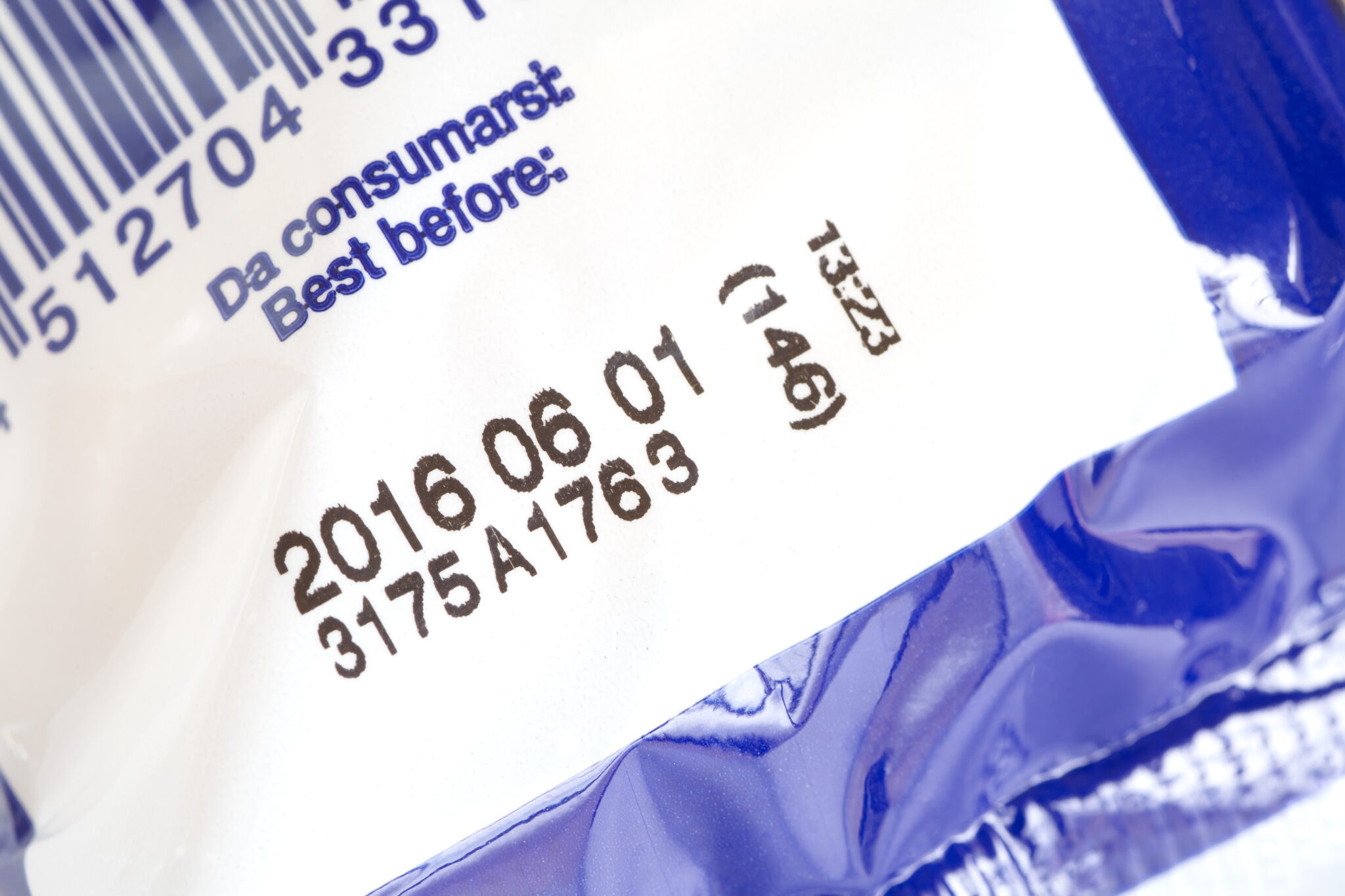

Food recalls are a critical safety net in our food supply chain, protecting consumers from potentially life-threatening contamination. Whether it’s Salmonella in peanut butter, E. coli in romaine lettuce, or undeclared allergens in packaged snacks, recalls are a necessary disruption to prevent widespread illness. But how do health officials pinpoint the source of an outbreak? What triggers a recall, and how is the contaminated product tracked down before more people get sick?
This process behind preventing food poisoning outbreaks is a blend of epidemiology, cutting-edge laboratory science, and supply chain detective work. From the first signs of an unusual illness cluster to the final recall notice, multiple agencies, scientists, and food manufacturers collaborate to contain the threat. Here’s a deep dive into how foodborne outbreaks are traced, why recalls happen, and what’s being done to make the system faster and more effective.
Part 1 – Detecting the Outbreak – The First Signs of Trouble
Most food recalls begin with an unsettling pattern: a sudden spike in people reporting similar symptoms—severe stomach cramps, vomiting, diarrhea, or even neurological issues in the case of Listeria. Doctors and hospitals are the first line of defense, reporting unusual cases to local and national health agencies.
Step 1 – Surveillance Systems Spot the Trend
Public health organizations like the Centers for Disease Control and Prevention (CDC) and the **Food and Drug Administration (FDA)** constantly monitor illness reports through systems like:
- PulseNet – A national network of labs that compares DNA fingerprints of bacteria to link cases.
- FoodNet – Tracks foodborne infections across the U.S. to identify outbreaks.
- Reportable Disease Registries – State health departments log cases of known foodborne pathogens.
When multiple people in different locations fall ill with the same strain of Salmonella or E. coli, epidemiologists suspect a common food source.
Step 2 – Patient Interviews and Food Histories
Investigators interview affected individuals, asking:
- What did you eat in the days before symptoms started?
- Did you dine out or buy prepackaged foods?
- Are there common brands or restaurants among the sick?
This step is tricky—people may not remember every ingredient they consumed, especially if symptoms took days to appear. However, patterns emerge. If dozens of people report eating the same brand of frozen strawberries or pre-cut melon, investigators have a lead.
Step 3 – Lab Testing Confirms the Link
Samples from patients (stool, blood, or other tissues) are analyzed in labs. Advanced techniques like whole genome sequencing (WGS) allow scientists to match bacterial strains from patients to those found in food samples. This genetic fingerprinting is crucial—it confirms whether cases are truly connected to a single contamination source.
Part 2 – Tracing the Contamination – Following the Supply Chain
Once a suspect food is identified, the real detective work begins. Contamination can happen at any point—on the farm, during processing, in transit, or even at the retail level.
Step 1 – Farm and Production Inspections
Regulators visit farms, processing plants, and packaging facilities to find where safety failed. Key questions include:
- Was irrigation water contaminated with animal waste?
- Did a processing machine have biofilm buildup, harboring bacteria?
- Were workers following proper hygiene protocols?
For example, in a romaine lettuce E. coli outbreak, investigators traced the bacteria to contaminated water from a nearby cattle feedlot.
Step 2 – Distribution Tracking
Food travels through a complex web of suppliers, distributors, and retailers. A single batch of contaminated spinach might end up in grocery stores, restaurants, and school cafeterias across multiple states. Agencies like the FDA and USDA use shipping records, lot numbers, and purchase invoices to map where tainted products went.
Step 3 – Environmental Sampling
Inspectors swab equipment, storage areas, and even soil to find lingering pathogens. In some cases, persistent Listeria in a facility can cause recurring outbreaks, forcing long-term shutdowns for deep cleaning.
Part 3 – Why Recalls Happen – The Triggers and Risks
Not all contamination leads to illness, but when public health is at risk, a recall is necessary. The FDA and USDA classify recalls into three categories:
- Class I Recall (Most Severe)
- Definition – High probability of causing severe harm or death.
- Examples – Listeria in deli meats (2024 Boar’s Head Listeria outbreak), E. Coli in ground beef (2024 McDonald’s E. coli outbreak), botulism toxin in canned goods.
- Action – Immediate removal from shelves, public alerts, and possible legal action.
- Class II Recall (Moderate Risk)
- Definition – May cause temporary or reversible health effects.
- Examples – Undeclared allergens (peanuts, milk), minor chemical residues.
- Action – Product removal, but less urgent than Class I.
- Class III Recall (Lowest Risk)
- Definition – Unlikely to harm health but violates regulations.
- Examples – Mislabeled nutrition info, incorrect packaging.
- Action – Often voluntary, with minor corrections.
Who Decides on a Recall
- Voluntary Recalls – Most recalls are initiated by the food company itself after internal testing or regulator pressure.
- Mandatory Recalls – If a company refuses, the FDA or USDA can force a recall, especially for Class I hazards.
Part 4 – The Recall Process – From Alert to Action
Once a recall is issued, a well-coordinated response kicks in:
- Public Notification
- Press releases from the FDA, USDA, or company.
- Social media alerts to reach consumers quickly.
- Store postings where the product was sold.
- Product Removal
- Retailers pull affected items from shelves.
- Distributors halt shipments.
- Consumers are advised to discard or return the product.
- Follow-Up Investigations
- Regulators ensure the recall is effective.
- Companies review what went wrong to prevent future issues.
Part 5 – Challenges and Future Improvements
Despite advances, foodborne outbreaks remain a major public health issue. Key challenges include:
- Globalization of Food Supply Chains
- Ingredients come from multiple countries, making traceability harder.
- Different nations have varying safety standards.
- Lag Time in Detection
- Symptoms can take weeks to appear, delaying investigations.
- Emerging Technologies
- Blockchain – Improves supply chain transparency.
- AI and Machine Learning – Predicts outbreak risks before they spread.
- Rapid Testing – Faster detection of pathogens in food.
- The FDA’s New Traceability Rule
Starting in 2023, high-risk foods (like leafy greens and soft cheeses) must have digital tracking records, speeding up future outbreak responses.
In Conclusion: A System Built to Save Lives
Food recalls are disruptive, costly, and sometimes frightening—but they are also a sign that the safety net is working. Behind every recall notice is a vast network of scientists, regulators, and food industry professionals working to prevent illnesses and deaths.
As detection methods improve and supply chains become more transparent, the goal is to stop outbreaks before they start. Until then, recalls remain an essential tool—one that underscores the importance of food safety at every step, from farm to fork.
By understanding the science behind food recalls, we can all play a part in a safer food system.
Commenting on this article, the nation’s leading Listeria lawyer said, “For consumers, the best defense is staying informed and employing safe food practices. Regularly check or subscribe to recall alerts from the FDA or CDC. At home and work, employ safe food handling such as washing produce and cooking meats thoroughly. Finally, if consumers are personally affected, they should report suspected illnesses to their local health departments.”
