

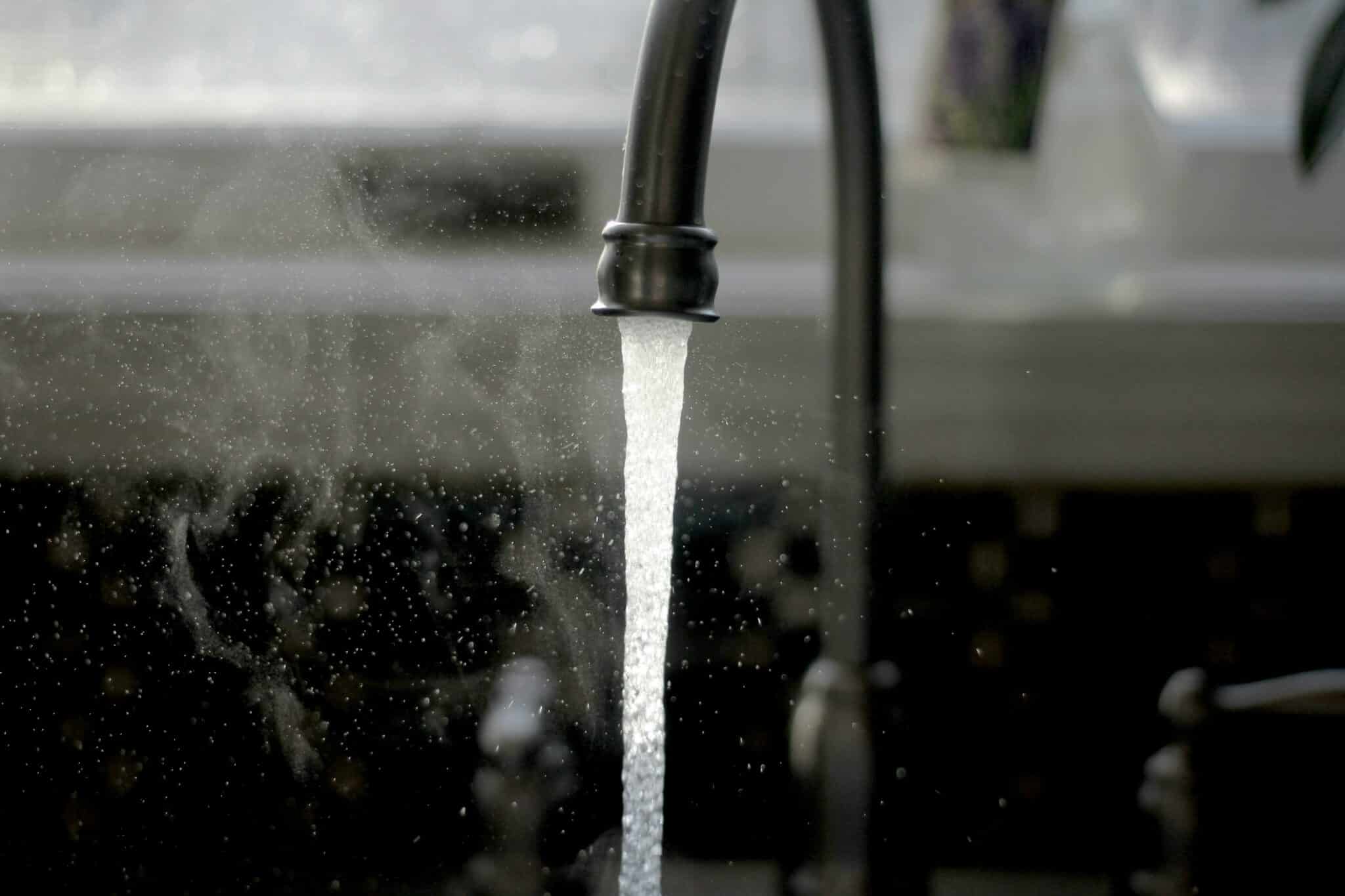

For international travelers, navigating tap water safety remains a critical health consideration, with significant variations between destinations. In countries like Japan, Canada, and Germany, tap water undergoes rigorous treatment and monitoring, making it safe for direct consumption. Japan’s tap water, subject to advanced filtration and real-time quality control systems like SCADA, meets stringent standards comparable to bottled water. Similarly, the U.K. boasts 99.97% compliance with water safety parameters, as monitored by the Drinking Water Inspectorate.
Conversely, nations including Indonesia, Vietnam, and parts of the Caribbean pose inherent risks. Indonesia’s tap water, sourced from rivers and groundwater, frequently contains bacteria (e.g., E. coli), parasites (e.g., Giardia), and chemical contaminants due to inadequate infrastructure and environmental pollution. Only 67% of Jakarta’s households receive piped water, and even treated supplies may be compromised during distribution. Bali’s water, similarly affected, has led to widespread reliance on bottled water (e.g., the “Aqua” brand) or boiled alternatives. Vietnam’s water safety varies regionally, with urban centers like Hanoi offering better-treated water than rural areas. However, contaminants from flooding, industrial runoff, or aging pipes persist, necessitating caution.
Safety Strategies for Travelers:
- Verification Tools: Consult the CDC Travel Health Notices or the Environmental Performance Index (EPI) for destination-specific water advisories. For example, France’s tap water aligns with U.S. safety standards, while the Dominican Republic warrants avoidance.
- Purification Methods: Boiling water for 1+ minute (3+ minutes above 6,500 feet elevation) effectively kills pathogens. Portable filters, UV sterilizers, or chlorine tablets offer alternatives, though filters vary in efficacy against viruses or chemicals.
- Daily Hygiene Practices: Use bottled or purified water for brushing teeth in high-risk areas to prevent inadvertent ingestion of contaminants. Avoid ice in drinks unless confirmed as commercially produced (e.g., cylindrical with holes indicating purification in Bali).
- Food Precautions: Wash produce with boiled or bottled water, and opt for peeled fruits in regions with questionable water quality. Street food may pose risks if rinsed or cooked with untreated water.
Environmental and economic factors further complicate choices. While bottled water ensures safety in risky regions, it generates plastic waste, over 1 million bottles sold globally per minute, with low recycling rates. Tap water, where safe, costs 600× less annually than bottled alternatives.
Ultimately, traveler safety hinges on destination-specific research and proactive measures, balancing health against environmental impact where feasible.
