

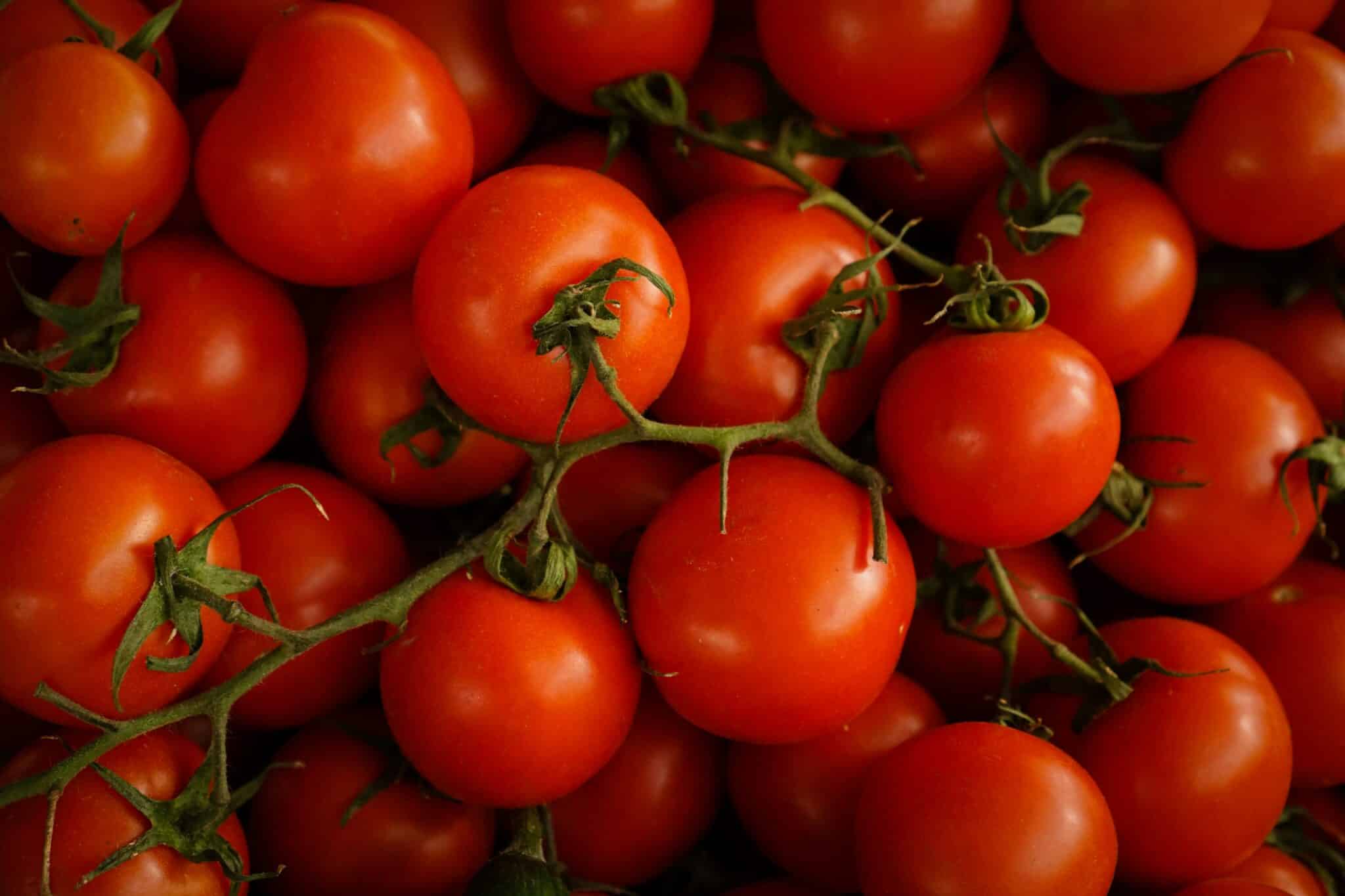

Health authorities have identified tomatoes as one of several food sources linked to Salmonella outbreaks that affected hundreds of people across the United Kingdom in 2024, according to an article in the Independent and other media sources. The UK Health Security Agency (UKHSA) documented seven separate Salmonella outbreaks throughout the year, resulting in 304 total cases with 280 confirmed through laboratory testing.
The tomato-related cases involved two distinct Salmonella strains: Blockley and Strathcona. Laboratory analysis confirmed 81 cases of Salmonella Blockley, leading to 14 hospitalizations. An additional 24 people contracted Salmonella Strathcona, also traced to tomato consumption. Cases linked to tomatoes were distributed throughout the UK rather than concentrated in specific regions, making it unclear whether the contaminated produce was domestically grown or imported.
Both Salmonella strains can produce symptoms including diarrhea, fever, abdominal cramps, nausea, and vomiting. Health officials noted that Salmonella Strathcona can cause particularly severe illness. The presence of Salmonella Blockley proved especially concerning, as this strain typically occurs in East Asia and the United States and has been recorded only rarely across Europe.
Beyond tomatoes, the 2024 outbreaks encompassed multiple food sources. A separate Salmonella Typhimurium outbreak connected to red meat products affected 109 individuals. Additionally, 24 cases of Salmonella Enteritidis were traced to contaminated eggs.
Salmonella contamination in tomatoes can occur through various pathways. Contaminated water supplies used for irrigation represent one source, while the bacteria can persist in soil and continue affecting crops during growth. The pathogen typically enters the food supply through inadequate sanitation practices during growing, harvesting, or processing stages.
Salmonella infections develop 12 to 72 hours after consuming contaminated products. While most patients experience gastrointestinal symptoms, individuals with compromised immune systems face elevated risks of severe complications. Children and elderly populations are particularly vulnerable to serious illness requiring medical intervention.
Dehydration resulting from persistent vomiting and diarrhea can become life-threatening, necessitating hospital treatment in severe cases. The 2024 outbreaks resulted in multiple hospitalizations across the various food sources identified.
Common sources of Salmonella contamination include undercooked poultry and meat, eggs, unwashed raw fruits and vegetables, unpasteurized dairy products, and contaminated water. Food safety practices such as proper cooking temperatures, thorough washing of produce, and avoiding cross-contamination help prevent infection.
The 2024 Salmonella cases represented a significant increase from previous years. UKHSA data released recently showed Salmonella infections reached a decade-high level, with 10,388 confirmed cases representing a 17.1 percent increase from 8,872 cases recorded in 2023.
