
Close Menu
  • Food Poisoning
    • Symptoms
    • Prevention
    • Treatment
    • Causes
  • Pathogens
    • Botulism
    • Campylobacter
    • E. coli
    • Cyclospora
    • Norovirus
    • Hepatitis A
    • Salmonella
    • Listeria
    • Shigella
  • Food Safety
    • How to wash your hands
    • Food Safty And The Holidays
  • Legal
    • Can I sue for Food Poisoning?
    • E. coli Lawyer
      • E. coli Lawsuit
    • Salmonella Lawyer
      • Salmonella Lawsuit
    • Botulism Lawyer
    • Cyclospora Lawyer
    • Shigella Lawyer
    • Hepatitis A Lawyer
  • Outbreaks and Recalls
  • Connect With A Lawyer
What's Hot

Designing a Kitchen That Supports Better Nutrition

March 4, 2026

How Foodborne Illness Targets the World’s Most Vulnerable Populations

March 4, 2026

Why Ron Simon is Considered by Many to be the Best E. coli and Salmonella Lawyer in the Nation

March 2, 2026
Facebook X (Twitter) Instagram
Facebook X (Twitter) YouTube
  • About
  • Contact Us
Food Poisoning NewsFood Poisoning News
  • Home
  • Food Poisoning
    • What is Food Poisoning?
      • Symptoms
      • Causes
      • Prevention
      • Treatment
      • Statistics
    • Pathogens
      • Botulism
      • Campylobacter
      • E. coli
      • Hepatitis A
      • Shigella
      • Norovirus
      • Salmonella
      • Cyclospora
      • Listeria
  • Food Safety
    • How to wash your hands
    • Food Safty And The Holidays
  • Legal
    • Salmonella Lawyer
      • Salmonella Lawsuit
    • E. coli Lawyer
      • E. coli Lawsuit
    • Cyclospora Lawyer
    • Shigella Lawyer
    • Hepatitis A Lawyer
    • Botulism Lawyer
  • Outbreaks and Recalls
Food Poisoning NewsFood Poisoning News
Home»Featured»When Fresh Fish Turns Toxic: Understanding Scombroid Poisoning
When Fresh Fish Turns Toxic: Understanding Scombroid Poisoning
Featured

When Fresh Fish Turns Toxic: Understanding Scombroid Poisoning

Kit RedwineBy Kit RedwineMay 21, 2025Updated:May 21, 2025No Comments3 Mins Read
Share
Facebook Twitter LinkedIn Pinterest Email Reddit

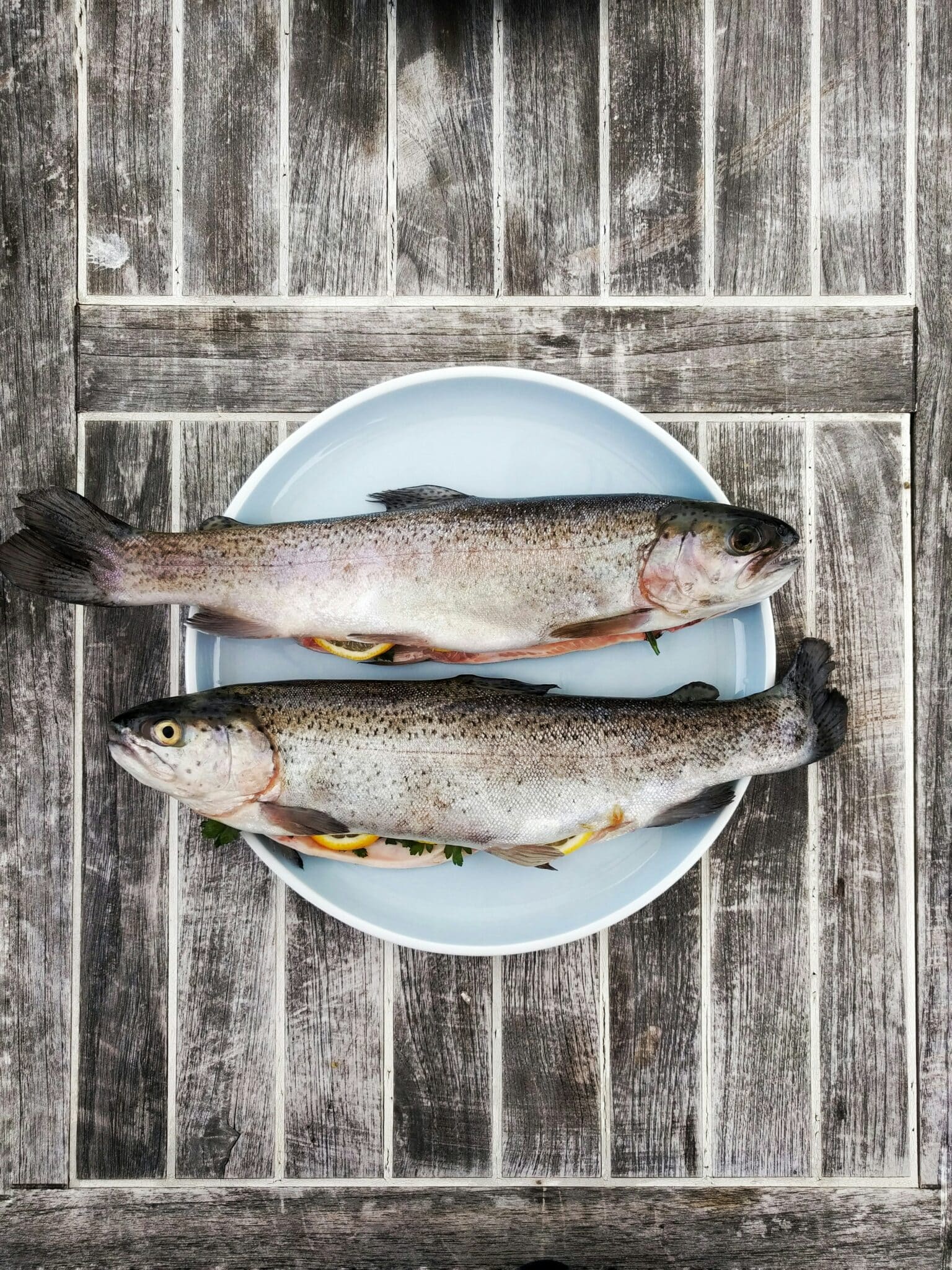
Scombroid poisoning, also known as histamine fish poisoning, is a foodborne illness caused by consuming fish that has been improperly stored, leading to elevated histamine levels. Commonly implicated species include tuna, mackerel, mahi-mahi, sardines, and anchovies, which naturally contain high levels of the amino acid histidine. When these fish are not refrigerated promptly after being caught, bacteria such as Morganella morganii and Klebsiella species convert histidine into histamine, a toxin responsible for the condition. Unlike true allergies, scombroid poisoning can affect multiple individuals who consume the same contaminated fish, with symptoms often resembling an allergic reaction.  

Symptoms and Onset  

Symptoms typically appear within minutes to two hours of ingestion and include facial flushing, sweating, a burning or peppery taste in the mouth, headache, dizziness, and gastrointestinal distress such as nausea, vomiting, and diarrhea. In severe cases, blurred vision, respiratory distress, or swelling of the tongue may occur, though fatalities are exceedingly rare. The rash associated with scombroid poisoning often presents as widespread redness without raised hives, distinguishing it from typical allergic reactions. Most symptoms resolve within 12–48 hours without long-term effects.  

Diagnosis and Challenges  

Diagnosis relies on clinical evaluation, including a history of recent fish consumption and symptom patterns. Confirmation can involve testing the implicated fish for histamine levels exceeding 50 mg per 100 g of flesh, a threshold linked to toxicity. Blood or urine tests measuring histamine or its metabolites may also support the diagnosis. Misdiagnosis is common due to symptom overlap with allergies or other foodborne illnesses like ciguatera, underscoring the need for epidemiological clues, such as multiple affected individuals.  

Treatment and Management  

Treatment focuses on antihistamines, such as diphenhydramine or ranitidine, to counteract histamine’s effects. Severe cases may require intravenous fluids or emergency care for respiratory or cardiovascular complications, though most instances resolve spontaneously. Notably, cooking, smoking, or freezing contaminated fish does not neutralize preformed histamine, emphasizing prevention over post-exposure remedies.  

Prevention Strategies  

Preventing scombroid poisoning hinges on proper fish handling. Immediate refrigeration or freezing after capture is critical to inhibit bacterial growth. Consumers should purchase fish from reputable suppliers and avoid specimens with a sharp, peppery, or metallic taste, which may indicate spoilage. Public health authorities recommend reporting suspected cases to facilitate source tracing and prevent outbreaks.  

Global Impact and Awareness  

Scombroid poisoning remains one of the most frequent seafood-related illnesses worldwide, with outbreaks reported in both temperate and tropical regions. Increased awareness of proper storage practices and recognition of its non-allergic nature are essential to reducing risks, particularly as global fish consumption rises. By prioritizing food safety protocols from boat to plate, consumers and industries can mitigate this preventable yet persistent health concern.

Share. Facebook Twitter Pinterest LinkedIn Tumblr Email
Avatar photo
Kit Redwine

Related Posts

How Foodborne Illness Targets the World’s Most Vulnerable Populations

March 4, 2026

Emerging Foodborne Pathogens Public Health Officials Are Monitoring

February 27, 2026

The Lasting Health, Economic, and Human Toll of Foodborne Disease

February 25, 2026

Navigating the Landscape of Food Poisoning Litigation in California: The Role of Gomez Trial Attorneys and Ron Simon & Associates

February 18, 2026
Add A Comment
Leave A Reply Cancel Reply

Attorney Advertisement
Ron Simon

Subscribe to Updates

Get the latest food safety recall, outbreak, & investigation news.

Latest Posts

Designing a Kitchen That Supports Better Nutrition

March 4, 2026

How Foodborne Illness Targets the World’s Most Vulnerable Populations

March 4, 2026

Why Ron Simon is Considered by Many to be the Best E. coli and Salmonella Lawyer in the Nation

March 2, 2026

Food Poisoning News is a website devoted to providing you with the most current information on food safety, dangerous pathogens, food poisoning outbreaks and outbreak prevention, and food poisoning litigation.

We're social. Connect with us:

Facebook X (Twitter) YouTube
Latest Posts

Designing a Kitchen That Supports Better Nutrition

March 4, 2026

How Foodborne Illness Targets the World’s Most Vulnerable Populations

March 4, 2026

Why Ron Simon is Considered by Many to be the Best E. coli and Salmonella Lawyer in the Nation

March 2, 2026
Get Informed

Subscribe to Updates

Get the latest food safety recall, outbreak, & investigation news.

Facebook X (Twitter) YouTube
  • Home
© 2026 Food Poisoning News. Sponsored by Ron Simon & Associates a Houston, TX law firm. Powered by ArmaVita.
Our website and content are for informational purposes only. Food Poisoning News does not provide legal advice, medical advice, diagnosis, or treatment.

Type above and press Enter to search. Press Esc to cancel.