

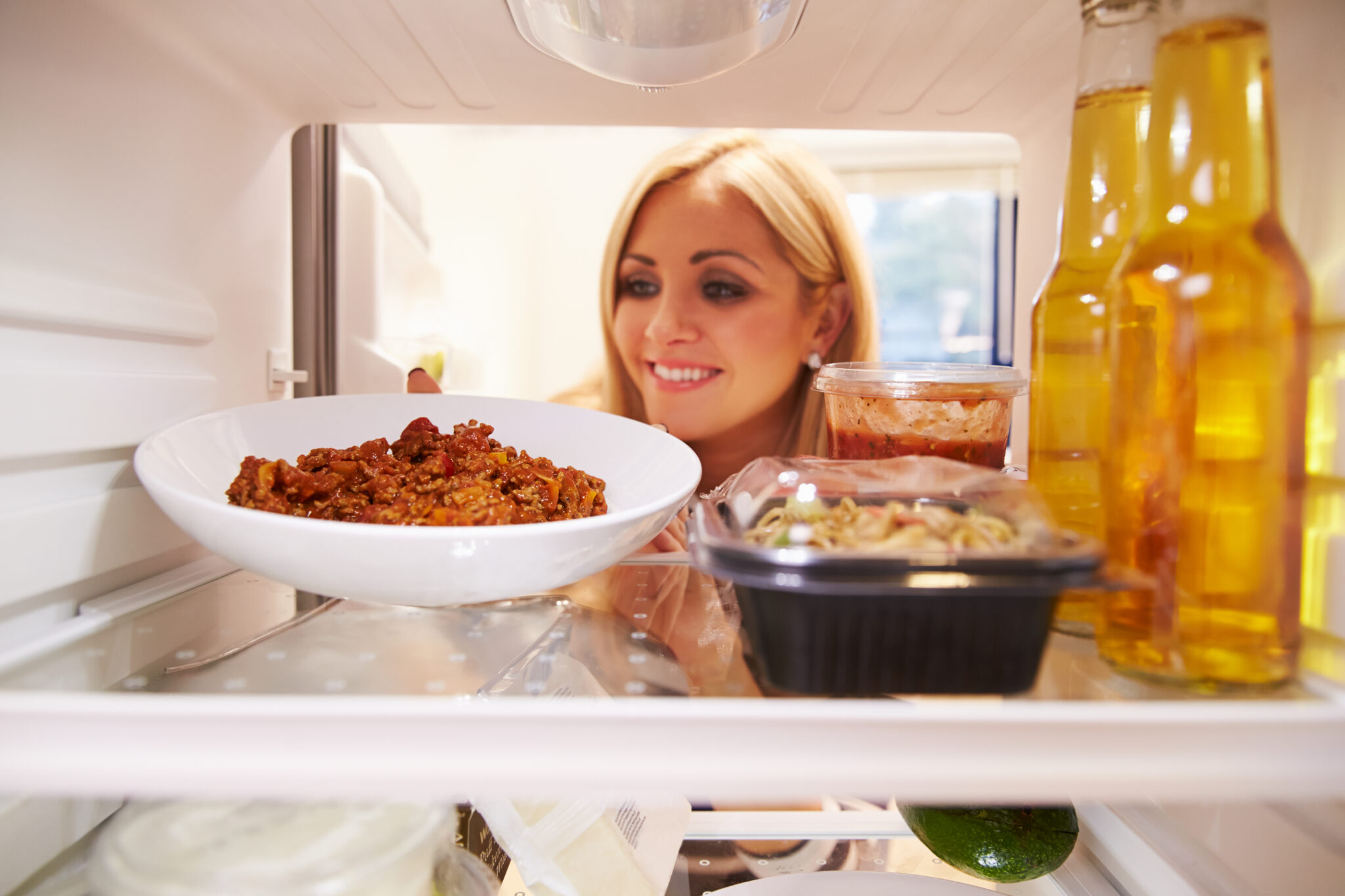

When Leftovers Linger Too Long: The Science of Refrigerator Safety
The fridge is supposed to be a safe zone. We tuck leftovers into plastic containers, slide deli meat onto shelves, and trust that the cold will protect us. But refrigeration is not a magic shield — it slows bacterial growth, it doesn’t stop it. When leftovers linger too long, or when cold foods aren’t stored correctly, the refrigerator can quietly become a staging ground for foodborne illness.
Why Refrigerators Aren’t Foolproof
Cold storage is essential for food safety, but it’s not the end of the story. Some key risks include:
- Listeria’s resilience: Unlike most bacteria, Listeria monocytogenes can grow slowly even at refrigerator temperatures.
- Cross-contamination: Juices from raw meat dripping onto ready-to-eat foods like salads or fruit.
- Temperature fluctuations: Fridges often vary in temperature; warm spots can let bacteria multiply.
- Forgetting expiration dates: “Out of sight, out of mind” often means food sits longer than it should.
The CDC consistently warns that ready-to-eat refrigerated foods — from deli meat to packaged salads — are among the leading sources of foodborne outbreaks.
Case Study 1: Packaged Salad Listeria Outbreak (2015–2016)
- Impact: The outbreak caused 19 illnesses across 9 states, with all 19 requiring hospitalization and 1 death reported.
- Cause: The contamination originated in a processing facility in Springfield, Ohio. Packaged salads, marketed as “ready-to-eat,” were stored cold but still allowed Listeria to persist.
- Why it mattered: Consumers trusted pre-washed, bagged salads to be safe straight from the fridge. Instead, the outbreak showed how Listeria can thrive in cold environments and reach vulnerable populations.
Case Study 2: Deli Meats and Cheeses Listeria Outbreak (2019–2020)
- Impact: The CDC confirmed 10 illnesses in 4 states, with all 10 hospitalized and 1 death.
- Cause: Contamination likely occurred at slicing machines in retail delis, which are difficult to clean completely. Even when refrigerated, Listeria persisted on surfaces and in ready-to-eat meats.
- Why it mattered: The outbreak highlighted a risk many people overlook — the refrigerator as a carrier of long-term contamination. Unlike Salmonella or E. coli, Listeria can grow slowly in the cold, making deli meats especially dangerous for pregnant women, the elderly, and immunocompromised individuals.
What These Outbreaks Teach Us
These outbreaks emphasize that refrigeration is not a guarantee of safety. Cold slows bacteria, but some — like Listeria — adapt to thrive. Ready-to-eat products are especially vulnerable: once contaminated, they’re eaten without reheating, which means bacteria are consumed alive.
The lesson is clear: it’s not enough to refrigerate food. We need to manage it wisely.
Safe Refrigerator Practices
Here’s what the CDC and food safety experts recommend:
- Set the right temperature: Keep refrigerators at 40°F (4°C) or below; freezers at 0°F (-18°C).
- Use the “two-hour rule”: Refrigerate cooked food within two hours of cooking (one hour if above 90°F).
- Follow “ready-to-eat” timelines:
- Cooked leftovers: 3–4 days
- Deli meats (opened): 3–5 days
- Packaged salads: Follow “use by” date, discard sooner if wilted
- Cooked leftovers: 3–4 days
- Store smartly: Place raw meat on the bottom shelf to prevent drips; keep ready-to-eat foods on top.
- Clean regularly: Wipe shelves and drawers to prevent bacteria from persisting in hidden spots.
Who Should Be Most Careful?
- Pregnant women: Listeria can cause miscarriage, stillbirth, or premature birth.
- Elderly adults: Weakened immune systems increase risk of severe infection.
- Infants and children: More susceptible to serious illness.
- Immunocompromised people: Chemotherapy, transplants, or chronic illness elevate risks.
For these groups, avoiding high-risk refrigerated foods like deli meats, smoked fish, and soft cheeses is strongly advised.
Industry Responsibility
Food safety isn’t just on consumers. Manufacturers and retailers must:
- Maintain strict sanitation in processing facilities.
- Routinely test for pathogens in cold environments.
- Replace and clean deli slicers regularly.
- Issue timely recalls when contamination is discovered.
The packaged salad and deli meat outbreaks prompted recalls and new safety audits, but ongoing vigilance remains essential.
Final Thoughts
Refrigerators are tools, not magic. They slow bacteria but don’t kill them. Outbreaks like the 2016 Dole packaged salad case and the 2019 deli meat outbreak prove that cold storage can harbor pathogens, not eliminate them.
The message for families is simple: respect expiration dates, follow safe timelines, and keep your fridge clean. For vulnerable groups, the safest option is avoiding high-risk cold foods altogether.
Because sometimes, what looks fresh and safe in the fridge may carry risks that only reveal themselves too late.
