

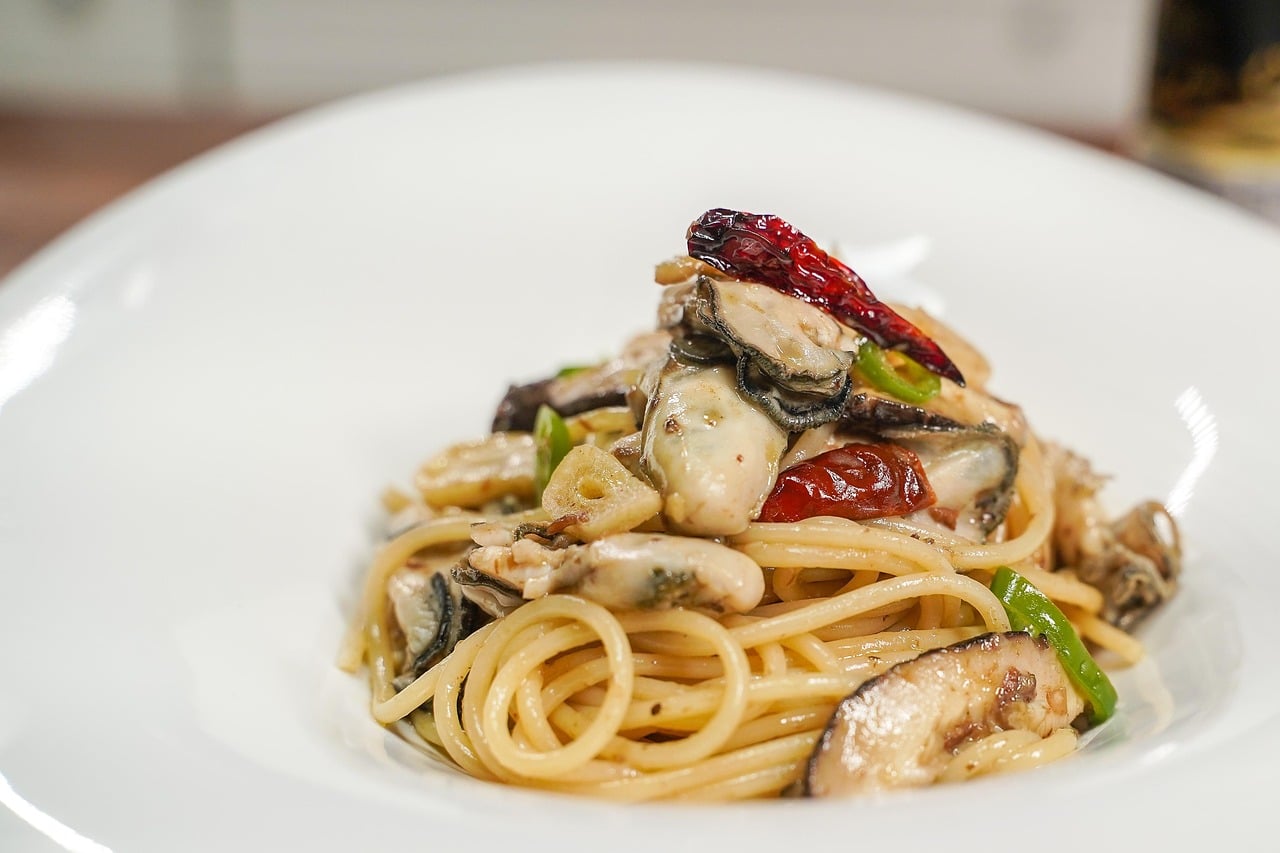

In the summer of 2025, a wave of foodborne illness swept across multiple states, sickening individuals with listeria bacteria and claiming lives. At the heart of this outbreak were common, ready-to-eat pasta dishes, a convenience many take for granted. While such outbreaks are a public health concern for all, they are a catastrophic threat to a specific, and growing, segment of the population: adults aged 65 and older. For them, a simple meal can carry a risk that is both disproportionate and severe.
This reality is coming into sharper focus as demographic shifts point toward an increasingly older population. This group faces a unique and dangerous convergence of factors: physiological changes that come with age, the rise of modern food delivery systems with complex supply chains, and the communal nature of living in senior care facilities. The standard, one-size-fits-all food safety advice is not merely insufficient for this demographic; it is a dangerous oversight. Understanding the specific physiological reasons why those over 65, and others with compromised immune systems, face graver risks is not just an academic exercise – it is a critical imperative for public health, requiring a fundamental rethinking of how food is prepared, delivered, and consumed by the most vulnerable among us.
The Physiology of Vulnerability
The common perception of food poisoning is often that of a short, unpleasant bout of gastrointestinal distress. For a healthy adult, this may be the case. For an older adult, the same pathogen can lead to hospitalization, long-term health complications, or death. This heightened risk is not a matter of chance but of biology. As the body ages, a series of natural physiological changes systematically weaken its defenses against invasive pathogens.
One of the most critical systems affected is the immune system. A process known as immunosenescence, which begins around age 60, describes the gradual deterioration of the immune system. This network of cells, tissues, and organs, vital for defending the body against infectious organisms, becomes slower to respond and less effective at fighting off invaders like Salmonella or Listeria. The consequence is that an older adult is not only more likely to become infected but also more likely to experience a more severe and prolonged illness from the same level of exposure that might cause only mild symptoms in a younger person.
Simultaneously, the digestive system undergoes its own changes. The gastrointestinal tract begins to process food more slowly, meaning that harmful bacteria may linger in the gut for longer periods, increasing the opportunity for them to multiply and cause damage. The stomach, which serves as a first line of defense, may produce less acid. Stomach acid is a powerful chemical barrier that destroys many of the bacteria swallowed with food and drink. With reduced acidity, this barrier is compromised, allowing a higher number of pathogens to pass into the intestines. Furthermore, the liver and kidneys, which are responsible for filtering toxins and foreign bacteria from the body, become less efficient at these tasks with age, allowing harmful substances to accumulate and cause more damage.
Compounding these natural age-related changes is the high prevalence of chronic conditions among older adults, such as diabetes, kidney disease, and cancer. These conditions often further weaken the immune system. Additionally, treatments for these illnesses, including chemotherapy or medications for autoimmune diseases, can be immunosuppressive, intentionally dialing down the body’s immune response and thereby rendering a patient extraordinarily susceptible to infections from foodborne pathogens. This creates a perfect storm where an individual’s underlying health status can dramatically amplify the risk posed by a contaminated food item.
A New Food Rulebook for Seniors
General food safety warnings often center on the risks of undercooked meat and raw eggs. For older adults, these standards are not just guidelines; they are critical rules. However, the list of foods that require vigilance extends far beyond the obvious. Public health authorities, including the Centers for Disease Control and Prevention (CDC), have identified a range of common foods that pose a higher risk to vulnerable populations and have outlined safer alternatives.
The table below illustrates the shift in food choices recommended for older adults:
| Food Category | Riskier Choices for Older Adults | Safer Alternatives |
| Deli Meats & Hot Dogs | Unheated deli meat, cold cuts, and hot dogs | Products heated to an internal temperature of 165°F or until steaming hot |
| Cheese | Soft cheeses made from unpasteurized milk (e.g., queso fresco, brie) & unheated deli-sliced cheeses | Hard cheeses (e.g., cheddar, swiss); pasteurized soft cheeses heated until steaming hot |
| Poultry & Meat | Raw or undercooked poultry/meat | Poultry cooked to 165°F; whole cuts of beef, lamb, and pork cooked to 145°F (with a 3-minute rest time); ground meats cooked to 160°F |
| Seafood | Raw or undercooked fish/shellfish (e.g., sashimi, sushi, ceviche); refrigerated smoked seafood | Fish cooked to 145°F; shellfish cooked until shells open; smoked seafood in sealed, shelf-stable packages or cooked in a casserole |
| Eggs | Raw or undercooked (runny) eggs; foods with raw eggs (e.g., homemade Caesar dressing, eggnog) | Eggs cooked until firm; egg dishes cooked to 160°F-165°F; using pasteurized eggs in dishes that won’t be cooked |
| Produce & Sprouts | Unwashed fresh fruits/vegetables; raw sprouts (e.g., alfalfa, bean) | Washed vegetables and fruits (washed and cooked is safest); cooked sprouts |
| Milk & Juice | Unpasteurized (raw) milk and dairy products; unpasteurized juice/cider | Pasteurized milk and dairy products; pasteurized juice or cider brought to a rolling boil |
The rationale behind these specific recommendations often lies in the particular pathogens associated with these foods. For instance, unheated deli meats and soft cheeses are a common source of Listeria monocytogenes. While healthy individuals may experience only flu-like symptoms, Listeria in older adults can lead to sepsis, meningitis, and death. Crucially, unlike many other bacteria, Listeria can grow at refrigerated temperatures, meaning simply keeping these products cold is not a reliable safeguard. Reheating them until they are steaming hot is the only way to ensure the bacteria are destroyed.
Similarly, the warning against raw sprouts may come as a surprise to many who view them as a symbol of healthy eating. However, the warm and humid conditions required to grow sprouts are also ideal for breeding pathogens like Salmonella and E. coli. Washing sprouts reduces but does not eliminate the risk, making cooked sprouts the only truly safe option for those at highest risk. These nuanced distinctions highlight why generic food safety messaging is inadequate and must be replaced with targeted, evidence-based guidance for vulnerable groups.
Navigating New Risks in Food Delivery and Communal Living
The ways in which older adults access and consume food have evolved dramatically, introducing new layers of complexity to food safety. The convenience of home-delivered meal kits and pre-prepared foods has become a lifeline for many seniors who may have difficulty shopping or cooking. However, this convenience carries its own set of risks, as evidenced by the 2025 multistate Salmonella outbreak linked to ready-to-eat home delivery meals from Metabolic Meals. This incident, which sickened individuals in ten states, underscores the potential for contamination in centralized production facilities and highlights the critical importance of safe handling even for products marketed as fully prepared.
For these delivered meals, the responsibility for safety becomes a shared chain. It begins with the manufacturer, who must adhere to stringent production standards, but it also extends to the delivery process, which must maintain proper cold chain temperatures, and finally to the consumer, who must promptly refrigerate and properly reheat the meals. A breakdown at any point in this chain can have serious consequences, particularly for the end-user whose body is least equipped to handle a failure.
For the nearly two million Americans residing in assisted living communities, the food safety landscape is different but equally fraught. These facilities represent a concentrated population of highly vulnerable individuals. The very nature of communal living, with centralized kitchens, large-scale food preparation, and group dining, creates an environment where a single food safety error can rapidly escalate into a large-scale outbreak.
Recognizing this, assisted living facilities are subject to stringent regulatory standards that govern everything from food storage and preparation to staff training. Compliance with state health codes is mandatory, and facilities are required to operate their kitchens under sanitary conditions designed to prevent contamination and spoilage. The role of the Certified Dietary Manager (CDM) is pivotal in this setting. These professionals are responsible for overseeing all dietary services, ensuring that meals are not only nutritious but also prepared and served safely. Their role includes rigorous staff training on safe food handling practices, proper sanitation procedures, and temperature control protocols.
Technology is also playing an increasing role in safeguarding food in these environments. Some senior care facilities are now integrating internet of things (IoT) monitoring systems to maintain precise temperature control. These systems provide continuous, real-time monitoring of refrigeration units and hot-holding equipment, sending immediate alerts to staff if temperatures drift into the danger zone where pathogens can multiply. This proactive approach moves beyond traditional manual checks, helping to prevent food loss and, more importantly, protecting residents from the risk of foodborne illness.
Building a Culture of Food Safety
Protecting the health of older adults from foodborne threats cannot be the responsibility of any single group. It requires a coordinated, multi-pronged effort that involves individuals, families, healthcare providers, food producers, and regulatory bodies.
For older adults and their caregivers, education is the first and most powerful line of defense. Understanding the “why” behind the specific food recommendations is crucial for fostering adherence. It is not about instilling fear but about empowering individuals with knowledge. This means moving beyond simply handing out a list of “foods to avoid” and instead explaining the physiological reasons for these guidelines, making the recommendations feel necessary and logical rather than arbitrary and restrictive.
The foundational four steps of food safety – Clean, Separate, Cook, and Chill – remain as important as ever, but they must be practiced with unwavering diligence. This means washing hands for at least 20 seconds with soap and water, not just a quick rinse. It means using separate cutting boards for raw meat and fresh produce to prevent cross-contamination. It means investing in and using a food thermometer to verify that foods have reached a safe internal temperature, moving beyond guesswork based on color or texture. And it means refrigerating perishable foods within two hours (or one hour if the temperature is above 90°F) to slow the growth of any lurking bacteria.
For the food industry, particularly companies producing meals for vulnerable populations and facilities serving them, the obligation is even greater. There is a pressing need for enhanced transparency and traceability throughout the supply chain. As the global food system grows more complex, the ability to quickly trace the origin of a contaminated ingredient is vital for containing outbreaks and preventing widespread illness. Furthermore, the adoption of new technologies and stringent safety protocols in production and delivery is not just a competitive advantage but a moral imperative.
Analysis & Next Steps
The situation facing older adults today is defined by a new and urgent convergence of factors. What is new is the powerful alignment of an undeniable demographic trend – the aging of the population – with a modern food system that is both complex and rapidly evolving, introducing novel risks through mechanisms like home delivery and large-scale food production for institutions. This matters because the consequence of inaction is severe: increased hospitalizations, preventable deaths, and a significant burden on families and the healthcare system. The population affected is vast and growing: everyone over the age of 65, a group that includes millions of individuals with varying degrees of health, but who all share an increased physiological vulnerability to foodborne pathogens.
The path forward requires concrete, coordinated action. At an individual and caregiver level, the necessary response is to embrace and implement the specific food safety guidelines for vulnerable populations with rigor, treating them with the same seriousness as a prescribed medication. This includes making informed choices about food sources and preparation methods. For the food industry and assisted living facilities, the critical next step is to invest in and leverage technology, such as IoT monitoring, to create a more transparent and fail-safe food safety infrastructure from farm to table. Finally, for public health officials and educators, the task is to launch sustained and targeted awareness campaigns that move beyond broad messaging. They must clearly and repeatedly communicate the unique risks and specific preventative strategies to older adults and those who care for them, ensuring that the dinner table remains a place of comfort and community, not of hidden danger.
