


From songbirds at a backyard feeder to mice in a spice warehouse, wild animals form a vast, mobile network that can carry dangerous bacteria and parasites into the human food supply, challenging farmers, regulators, and consumers to rethink contamination control. Each year, foodborne diseases affect an estimated one-third of the world’s population, causing millions of illnesses and hospitalizations. While public attention often focuses on contamination in processing plants or restaurant kitchens, a significant portion of these pathogens begin their journey far earlier, carried by wild creatures into agricultural fields and food production facilities. These animals—from birds and rodents to insects—act as silent vectors, shedding bacteria like Salmonella and E. coli through their feces, often while showing no signs of illness themselves. As the global food system becomes more interconnected, understanding and mitigating this wildlife pathway has become a critical frontier in food safety.
The problem is complex because wildlife is an intrinsic part of the agricultural landscape. Birds forage in fields, rodents burrow into soil, and insects are everywhere. Their natural behaviors, from defecation to foraging, can directly deposit pathogens onto crops like leafy greens, berries, and vegetables. Furthermore, these animals can contaminate irrigation water, soil, and farming equipment, creating reservoirs of pathogens that persist long after the animals have moved on. A single infected animal, through what scientists term a “superspreading” event, can introduce enough contamination to sicken hundreds or thousands of people once a crop is harvested and distributed. Complicating efforts to manage risk is the fact that many foodborne pathogens are not transmitted through a single route but through multiple pathways, making the original source of an outbreak difficult to trace. This means the lettuce that causes an illness may have been contaminated not by a farmworker, but by a wild bird weeks before harvest.
Birds: Feathered Foragers and Bacterial Carriers
Birds are among the most visible wildlife vectors, and their role in spreading foodborne pathogens is a significant concern for produce farmers. Birds can carry and shed bacteria such as Salmonella, Campylobacter, and pathogenic E. coli in their droppings. When flocks land in fields to feed on seeds, insects, or the crops themselves, their feces can directly contaminate fruits and vegetables destined for market. This risk is not uniform across all bird species, however. Recent research led by scientists at the University of California, Davis, provides a more nuanced picture, suggesting that the food safety risk posed by birds varies dramatically by species and behavior.
The 2022 study, which compiled over 11,000 bacterial tests of wild bird feces, found that overall prevalence of highly worrisome pathogens like E. coli O157:H7 and Salmonella in wild birds is quite low, at less than 0.5% of samples. Campylobacter, another cause of foodborne illness, was more common, detected in about 8% of samples. The key finding was that risk is strongly linked to a bird’s lifestyle. Species that flock in large numbers and forage on the ground, particularly in areas near livestock, pose a higher risk. Birds such as European starlings, blackbirds, and some sparrows often feed in cow pastures where they can pick up bacteria, and then fly to nearby produce fields, acting as moving vehicles for pathogens. In contrast, the study found that many insect-eating birds, such as swallows, pose a much lower risk. Not only are they less likely to carry these specific bacteria, but they also provide a valuable ecosystem service by consuming crop pests.
This research challenges a common instinct among some growers to remove natural habitats like hedgerows and trees around farms for fear they attract dangerous wildlife. The UC Davis team’s work indicates this strategy may be counterproductive. Removing natural habitat tends to drive away the lower-risk, insect-eating birds that benefit crops, while doing little to deter the higher-risk, generalist species like starlings that thrive in open agricultural and livestock areas. A more effective strategy, the scientists suggest, is for growers to assess the specific bird species present and consider separating produce fields from cattle lands where possible.
Beyond the field, birds also pose a more direct human health risk at backyard bird feeders. Outbreaks of salmonellosis, caused by Salmonella bacteria, regularly occur in songbirds like pine siskins, goldfinches, and redpolls, especially in late winter and early spring when birds congregate in large numbers. Infected birds shed the bacteria in their saliva and droppings, contaminating feeder perches and the seed below. When healthy birds ingest contaminated food or water, the disease spreads rapidly through the flock. Humans can become infected through direct contact with sick birds or, more commonly, by handling contaminated feeders or birdbaths without proper hygiene. Public health agencies advise people to wear gloves when cleaning feeders, wash hands thoroughly afterward, and regularly disinfect feeders with a bleach solution to break the transmission cycle.
Rodents: Ubiquitous Threats in Field and Facility
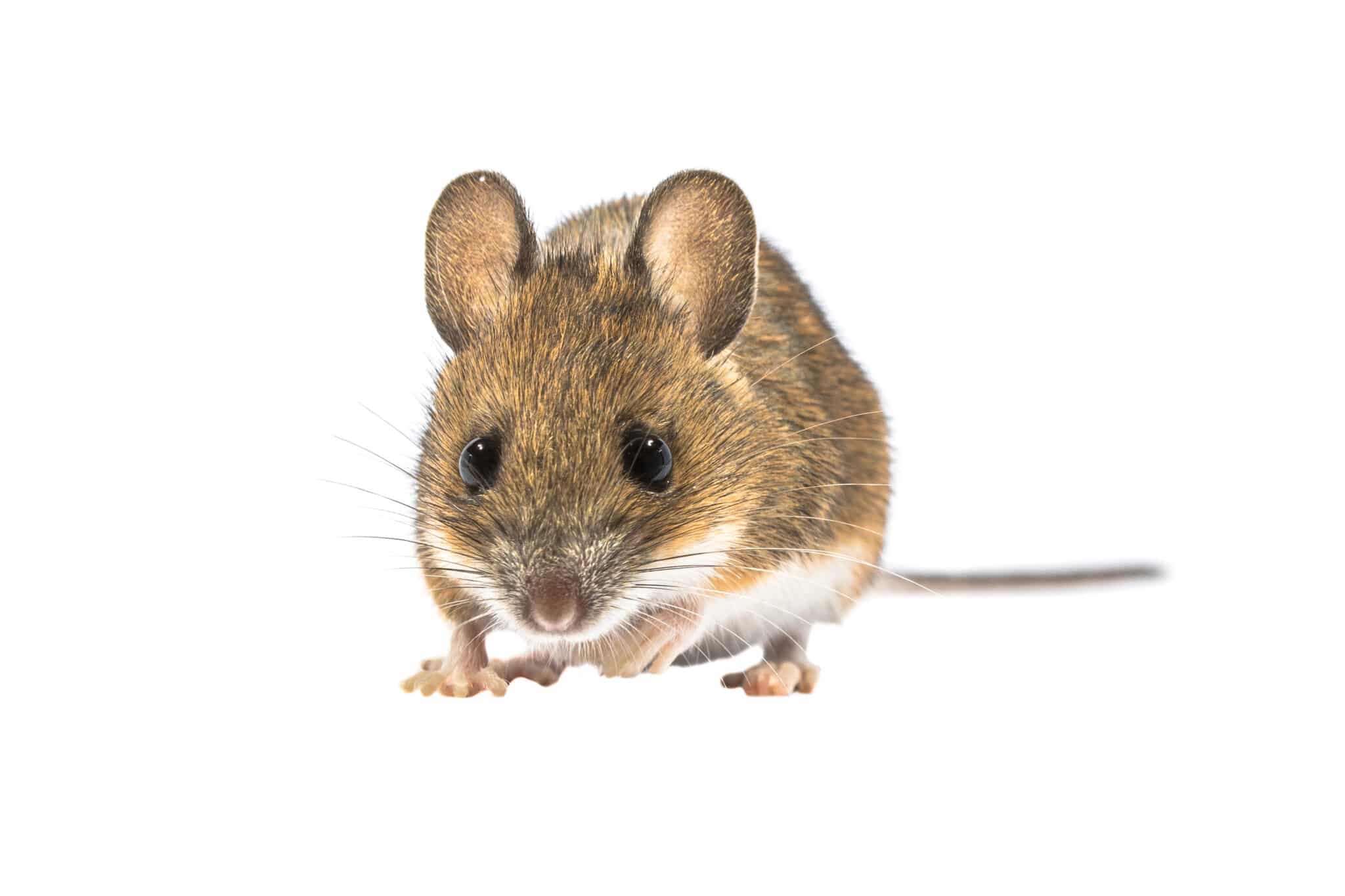
If birds are the aerial vectors, rodents are the ground troops of foodborne pathogen spread. Their ability to live in close proximity to both wild lands and human infrastructure makes them a persistent threat. Mice and rats can carry a suite of pathogens, including Salmonella, Leptospira, and the protozoa Cryptosporidium and Giardia. They transmit these organisms through their urine, feces, and saliva, contaminating both growing crops and stored food products.
In agricultural fields, wild rodents are a constant presence. A pivotal study conducted in California’s Salinas Valley—a major producer of leafy greens—trapped wild rodents on produce farms and livestock operations to assess their role as pathogen reservoirs. The findings were telling. While the dangerous E. coli O157:H7 was rare (found in only 0.2% of rodents), Salmonella was detected in 2.9% of animals. More prevalent were the parasites Cryptosporidium and Giardia, found in 26% and 24% of rodents, respectively. The study noted that deer mice were the most commonly trapped species and were involved in most spatiotemporal clusters of pathogens, highlighting their key role in environmental dissemination. When these rodents enter crop fields to nest and forage, they can shed these pathogens directly onto plants or into the soil and irrigation systems.
The threat intensifies dramatically once food leaves the field. Rodents are notorious invaders of food storage warehouses, processing plants, transportation vehicles, and even retail spaces. They are attracted by the abundance of food and shelter, and their constant gnawing allows them to breach structures through surprisingly small openings. The scale of potential contamination is staggering. It is estimated that rodents contaminate or destroy up to 20% of the world’s food supply. Beyond direct consumption, they spoil far more food through urine, feces, and hair.
Research has demonstrated this contamination link in stark terms. A 2021 study published in Food Control tested commercial red pepper powder for both murine (rodent) DNA and specific foodborne pathogens. The results were concerning: murine DNA was detected in 30.3% of all samples tested, and in a striking 68.7% of imported samples. Critically, nearly half (47.1%) of the samples contaminated with rodent substances also tested positive for Staphylococcus aureus, a bacteria that can cause severe food poisoning. This direct correlation shows how rodent infestation in a processing or storage facility can translate into a tangible microbiological hazard on the consumer’s shelf. Food safety experts stress that controlling rodents requires an integrated pest management approach that focuses on exclusion—sealing buildings—and sanitation, rather than reliance on poisons alone.
Insects: From Pest to Protein, a Dual-Role Challenge
Insects represent a unique and complex category within the wildlife-food safety dynamic. They can act as mechanical vectors, carrying pathogens on their bodies from contaminated to clean surfaces, but they are also increasingly being farmed as a novel food source themselves, creating a new set of safety considerations.
Flies, cockroaches, and other pest insects can pick up pathogens like Salmonella and E. coli from animal waste, decaying matter, or contaminated surfaces. When they land on food, food preparation surfaces, or packaging, they can transfer these bacteria. This mode of transmission is a classic pathway outlined in public health models, where insects are one of the “F’s” (along with fingers, fields, fluids, and food) in the “fecal-oral” route of disease transmission. While their role in major outbreaks is harder to trace than that of birds or rodents, their ubiquity makes them a constant low-level risk that necessitates robust pest control in food facilities.
Perhaps the more contemporary discussion revolves around edible insects. As the global search for sustainable protein intensifies, insects like crickets, mealworms, and black soldier fly larvae are being farmed for human consumption and animal feed. This emerging industry faces the same food safety challenges as conventional livestock farming. Insects can harbor biological hazards (bacteria, viruses, parasites), chemical hazards (from their feed or environment), and physical hazards. Their microbiological safety is paramount. If farmed insects are fed organic side-streams or food waste, there is a risk that pathogens in the feed could be transferred to the insects. Consequently, food safety authorities are developing specific guidelines for insect rearing, processing, and storage to ensure this novel link in the food chain does not become a new vehicle for disease. Proper cooking and processing remain essential to making insect-based foods safe for consumption.
Scientific Perspectives and Integrated Control
The scientific community emphasizes that managing wildlife-related food risks requires moving beyond simplistic “keep all animals out” mandates, which are often impractical and can harm ecosystems. Instead, the focus is on risk assessment and tailored mitigation. As the UC Davis bird study exemplifies, identifying which species pose the greatest threat allows for more effective and targeted interventions.
A fundamental concept in prevention is the distinction between primary and secondary barriers. Primary barriers aim to stop pathogens from entering the environment in the first place. In a wildlife context, this is extremely difficult, as wild animals are a natural reservoir for many bacteria. Therefore, secondary barriers become crucial. These are measures that prevent pathogens that have already entered the environment—via bird droppings or rodent feces—from multiplying and reaching humans. On farms, secondary barriers include treating irrigation water, allowing time between manure application and harvest, and using sanitizing washes on produce after harvest. In facilities, it involves stringent pest control, sanitation protocols, and environmental monitoring.
Experts also point to the “superspreader” phenomenon, observed in human and animal disease transmission, where a small minority of hosts or events is responsible for the majority of pathogen spread. In wildlife, this could mean that a single, heavily infected animal entering a field or a concentrated “hot spot” of rodent activity near a key irrigation source could account for a disproportionate amount of contamination. Identifying and managing these high-risk points is more efficient than attempting to eliminate all wildlife contact.
For the public, awareness is key. People who feed birds should be diligent about cleaner feeders to prevent localized salmonellosis outbreaks that can spill over from birds to humans. Gardeners should fence out rodents and use clean, potable water for irrigation. All consumers should properly wash fresh produce, as it is the final, vital secondary barrier that can remove or reduce pathogens that may have been introduced long before the food reached the store.
Analysis & Next Steps
The understanding of wildlife’s role in food safety is evolving from viewing all animals as blanket threats to a more sophisticated, ecological risk assessment. What’s new is the granular data, such as the UC Davis research distinguishing high-risk from low-risk bird species, which helps farmers make smarter decisions that protect both crops and biodiversity. Similarly, studies tracing specific pathogens from rodents in fields to finished products like spice powder provide concrete evidence of this transmission chain. This shift matters because it allows for more effective and sustainable interventions. It affects everyone who eats fresh produce, but most acutely farmers whose livelihoods depend on safe harvests, food businesses vulnerable to devastating recalls, and public health systems that manage outbreaks.
The path forward hinges on integrated strategies. For farmers, this means adopting science-based practices like targeted habitat management and robust water testing. The food industry must reinforce secondary barriers with advanced pest management and processing controls. Scientists should continue to fill knowledge gaps, particularly on pathogen survival in the environment and the efficacy of different on-farm interventions. For regulators, policies should incentivize preventive, ecology-based food safety programs. Ultimately, acknowledging that our food is grown in a shared environment is the first step toward building a safer, more resilient food system that minimizes risk without declaring war on the wild.
