

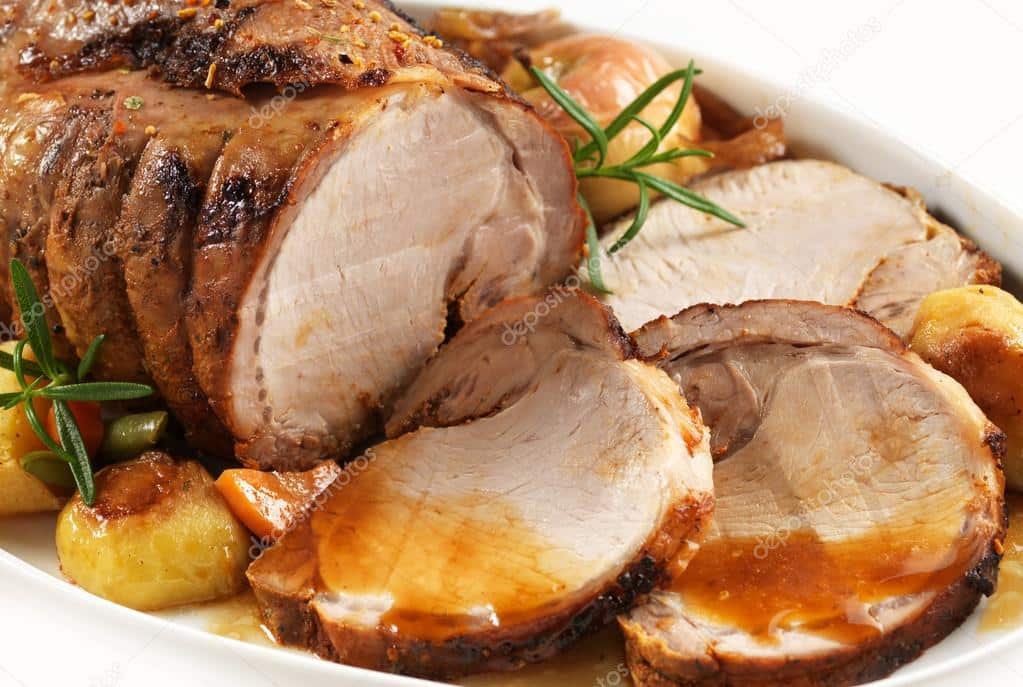

Yersinia enterocolitica, a gram-negative bacterium, is a significant but often underestimated cause of foodborne illness linked to pork consumption. Found naturally in swine, this pathogen thrives in raw or undercooked pork products, particularly chitterlings (pig intestines), and poses a heightened risk during food preparation due to its ability to survive refrigeration temperatures. While less recognized than Salmonella or E. coli, Yersinia infections affect an estimated 117,000 Americans annually, with approximately 650 hospitalizations and 35 deaths each year.
Transmission and Symptoms
Yersinia infections primarily occur through the fecal-oral route, often via contaminated pork or cross-contaminated surfaces. Consuming undercooked pork, especially chitterlings, is a leading risk factor, as the bacteria colonize pig intestines and tonsils. Less commonly, infections arise from unpasteurized milk, untreated water, or contact with infected animals. Symptoms typically emerge 4–7 days after exposure and include fever, abdominal pain (often mistaken for appendicitis in adults), and diarrhea, which may be bloody in children. While most cases resolve within three weeks, severe complications like reactive arthritis, sepsis, or skin rashes can occur, particularly in immunocompromised individuals or those with iron overload disorders.
High-Risk Practices and Vulnerable Populations
Children under five, older adults, and individuals preparing chitterlings are at elevated risk. Traditional preparation methods for chitterlings, a labor-intensive process involving prolonged handling, increase opportunities for cross-contamination. For example, caregivers who handle raw pork without thorough hand washing may inadvertently transfer bacteria to infants or kitchen surfaces. Additionally, Yersinia’s ability to grow at temperatures as low as 39°F allows it to proliferate in refrigerated pork products, amplifying contamination risks if storage guidelines are not strictly followed.
Safe Handling and Cooking Recommendations
To mitigate risks, public health agencies emphasize rigorous food safety practices:
- Cooking Temperatures – Pork chops, roasts, and steaks should reach an internal temperature of 145°F, followed by a three-minute rest period. Ground pork and sausages require cooking to 160°F to ensure pathogen elimination.
- Preventing Cross-Contamination – Use separate cutting boards and utensils for raw meat and other foods. Clean surfaces with hot, soapy water or a bleach solution (1 tablespoon bleach per gallon of water) after contact with raw pork.
- Chitterlings Preparation – Pre-boil raw chitterlings for five minutes before cleaning and cooking to reduce bacterial load. Caregivers should avoid handling infants or their belongings until hands are thoroughly scrubbed.
- Storage and Thawing – Refrigerate pork at ≤40°F and thaw frozen meat in the refrigerator or cold water, never at room temperature.
Industry and Regulatory Measures
While USDA inspections ensure pork wholesomeness, contamination risks persist due to Yersinia’s prevalence in swine populations. Some studies suggest irradiation as an effective control method, though its use remains limited in commercial settings. Public health campaigns, particularly in communities with cultural traditions involving chitterlings, aim to raise awareness about safe handling practices.
Yersinia enterocolitica remains a persistent threat in pork products, necessitating vigilance in cooking, hygiene, and food storage. By adhering to verified safety protocols, consumers can significantly reduce the risk of this overlooked pathogen.
