
Close Menu
  • Food Poisoning
    • Symptoms
    • Prevention
    • Treatment
    • Causes
  • Pathogens
    • Botulism
    • Campylobacter
    • E. coli
    • Cyclospora
    • Norovirus
    • Hepatitis A
    • Salmonella
    • Listeria
    • Shigella
  • Food Safety
    • How to wash your hands
    • Food Safty And The Holidays
  • Legal
    • Can I sue for Food Poisoning?
    • E. coli Lawyer
      • E. coli Lawsuit
    • Salmonella Lawyer
      • Salmonella Lawsuit
    • Botulism Lawyer
    • Cyclospora Lawyer
    • Shigella Lawyer
    • Hepatitis A Lawyer
  • Outbreaks and Recalls
  • Connect With A Lawyer
What's Hot

How Canning, Freezing, and Emerging Technologies Protect Food from Spoilage and Pathogens

February 18, 2026

Navigating the Landscape of Food Poisoning Litigation in California: The Role of Gomez Trial Attorneys and Ron Simon & Associates

February 18, 2026

From Chapter Dinners to 2 A.M. Snacks: How Greek Life Habits Quietly Raise Food Poisoning Risk

February 17, 2026
Facebook X (Twitter) Instagram
Facebook X (Twitter) YouTube
  • About
  • Contact Us
Food Poisoning NewsFood Poisoning News
  • Home
  • Food Poisoning
    • What is Food Poisoning?
      • Symptoms
      • Causes
      • Prevention
      • Treatment
      • Statistics
    • Pathogens
      • Botulism
      • Campylobacter
      • E. coli
      • Hepatitis A
      • Shigella
      • Norovirus
      • Salmonella
      • Cyclospora
      • Listeria
  • Food Safety
    • How to wash your hands
    • Food Safty And The Holidays
  • Legal
    • Salmonella Lawyer
      • Salmonella Lawsuit
    • E. coli Lawyer
      • E. coli Lawsuit
    • Cyclospora Lawyer
    • Shigella Lawyer
    • Hepatitis A Lawyer
    • Botulism Lawyer
  • Outbreaks and Recalls
Food Poisoning NewsFood Poisoning News
Home»Food Poisoning News»Food Safety Practices at Farmer’s Markets
Food Safety Practices at Farmer’s Markets
Common Foods that are Likely to Cause Food Poisoning
Food Poisoning News

Food Safety Practices at Farmer’s Markets

Tony Coveny, Ph.DBy Tony Coveny, Ph.DAugust 6, 2021No Comments3 Mins Read
Share
Facebook Twitter LinkedIn Pinterest Email Reddit

Food Safety Practices at Farmer’s Markets

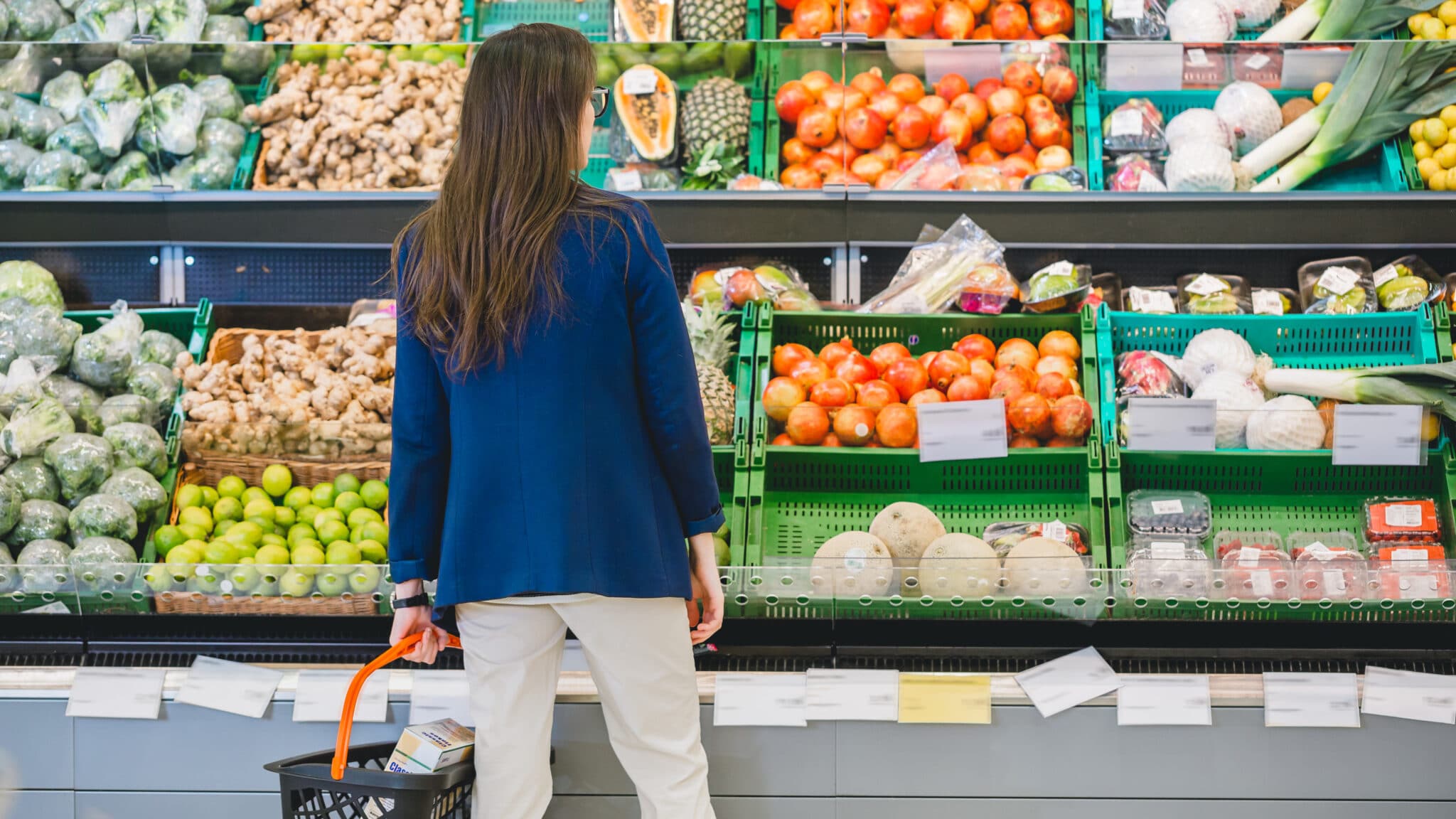
Public appreciation for Farmer’s Markets is rapidly on the rise, as some argue that they provide the freshest of vegetables, fruits and even meats. Buying organic foods and other such products from Farmer’s Markets has become a regular part of the many American families’ grocery shopping schedule.  But with  their proliferation, it is important to keep in mind a few practical food safety tips when shopping at Farmer’s Markets.

Meat

Any meat and meat products sold at Farmer’s Markets should be stored in clean, air tight coolers with the proper amount of ice. Like all other perishables, meat must be refrigerated at all times, and even after purchase, within an hour if the external temperature is over 90 degrees Fahrenheit, or within 2 hours if the external temperature is somewhat lower than the afore-mentioned temperature. This means bringing a cooler or an insulated type of container is recommended when buying meat or other perishable foods from a Farmer’s Markets, to store those meats or other perishables after purchase for the transit home.

Vegetables and Fruits

Organic production may have benefits, but it also carries risk. During harvesting, harmful foodborne pathogens such as Salmonella, Listeria, Norovirus, parasites like cyclospora,  and E. coli can contaminate vegetables and fruits from the use of fertilizers (like organic manure), water, the presence of insects (often organic foods are grown without pesticides), or even the  soil.  In addition, there is little guarantee as to how long ago the products have been harvested or how long they have been in transit – often farmer’s market producers ado not follow the rigorous schedules that commercial crop growers have.  In addition, these producers may not be subject to the inspection or certification of major producers,

These following tips will help prevent catching of the afore-mentioned harmful pathogens: 

  1. Arrive early to Farmer’s Markets before the fresh produce is picked over as a reliable way to obtain the freshest looking produce and avoid diseased fruits or vegetables.
  2. Post purchase, be sure to wash all the fruits and vegetables thoroughly, before slicing, peeling or consumption.
  3. Avoid any fruits or vegetables with bruises, scratches or mold. When cut or peeled, pathogens that’s present on the outside of the produce can be transferred to the exterior, increasing the chances of a foodborne illness.

Eggs

Fresh eggs are a hot commodity at Farmer’s markets, but pose a threat due to likely Salmonella contamination and other dangerous pathogens. Eggs should always be refrigerated at a maximum temperature of 40 degrees Fahrenheit. Look for cracks or broken shells, and avoid buying these.

Purchasing from Farmer’s Market’s may be a healthy choice for some American families, but is more likely to remain a safe practice when the afore-mentioned tips are strictly adhered to. 

Share. Facebook Twitter Pinterest LinkedIn Tumblr Email
Tony Coveny, Ph.D

Tony Coveny, has been practicing infectious disease litigation exclusively for more than a decade, settling cases against major agro-industrial companies, international suppliers, and domestic distributors and manufacturers. Tony Coveny, alongside Ron Simon, has tried cases against restaurants, distributors, national manufacturers, and foreign corporations to recover damages against their clients. From the main office in Houston, which he manages, he speaks to potential and current clients on a daily basis.

Related Posts

How Canning, Freezing, and Emerging Technologies Protect Food from Spoilage and Pathogens

February 18, 2026

Mechanisms of Produce Contamination: A Comprehensive Review Including Pathogens Such as Salmonella and E. coli

January 21, 2026

Arizona State Fair Petting Zoo Confirmed as Source of E. coli Outbreak by Genetic Testing

January 14, 2026

Do You Meal Prep on the Weekends for the Week Ahead? Safety Tips to Avoid Food Poisoning During Batch Meal Preparation

January 12, 2026
Add A Comment
Leave A Reply Cancel Reply

Attorney Advertisement
Ron Simon

Subscribe to Updates

Get the latest food safety recall, outbreak, & investigation news.

Latest Posts

How Canning, Freezing, and Emerging Technologies Protect Food from Spoilage and Pathogens

February 18, 2026

Navigating the Landscape of Food Poisoning Litigation in California: The Role of Gomez Trial Attorneys and Ron Simon & Associates

February 18, 2026

From Chapter Dinners to 2 A.M. Snacks: How Greek Life Habits Quietly Raise Food Poisoning Risk

February 17, 2026

Food Poisoning News is a website devoted to providing you with the most current information on food safety, dangerous pathogens, food poisoning outbreaks and outbreak prevention, and food poisoning litigation.

We're social. Connect with us:

Facebook X (Twitter) YouTube
Latest Posts

How Canning, Freezing, and Emerging Technologies Protect Food from Spoilage and Pathogens

February 18, 2026

Navigating the Landscape of Food Poisoning Litigation in California: The Role of Gomez Trial Attorneys and Ron Simon & Associates

February 18, 2026

From Chapter Dinners to 2 A.M. Snacks: How Greek Life Habits Quietly Raise Food Poisoning Risk

February 17, 2026
Get Informed

Subscribe to Updates

Get the latest food safety recall, outbreak, & investigation news.

Facebook X (Twitter) YouTube
  • Home
© 2026 Food Poisoning News. Sponsored by Ron Simon & Associates a Houston, TX law firm. Powered by ArmaVita.
Our website and content are for informational purposes only. Food Poisoning News does not provide legal advice, medical advice, diagnosis, or treatment.

Type above and press Enter to search. Press Esc to cancel.