
Close Menu
  • Food Poisoning
    • Symptoms
    • Prevention
    • Treatment
    • Causes
  • Pathogens
    • Botulism
    • Campylobacter
    • E. coli
    • Cyclospora
    • Norovirus
    • Hepatitis A
    • Salmonella
    • Listeria
    • Shigella
  • Food Safety
    • How to wash your hands
    • Food Safty And The Holidays
  • Legal
    • Can I sue for Food Poisoning?
    • E. coli Lawyer
      • E. coli Lawsuit
    • Salmonella Lawyer
      • Salmonella Lawsuit
    • Botulism Lawyer
    • Cyclospora Lawyer
    • Shigella Lawyer
    • Hepatitis A Lawyer
  • Outbreaks and Recalls
  • Connect With A Lawyer
What's Hot

Five Lesser-Known Foodborne Pathogens That Demand Your Attention

April 29, 2026

Hepatitis A and the Global Berry Trade

April 22, 2026

Salmonella: The Most Common Strains and Everything You Need to Know

April 21, 2026
Facebook X (Twitter) Instagram
Facebook X (Twitter) YouTube
  • About
  • Contact Us
Food Poisoning NewsFood Poisoning News
  • Home
  • Food Poisoning
    • What is Food Poisoning?
      • Symptoms
      • Causes
      • Prevention
      • Treatment
      • Statistics
    • Pathogens
      • Botulism
      • Campylobacter
      • E. coli
      • Hepatitis A
      • Shigella
      • Norovirus
      • Salmonella
      • Cyclospora
      • Listeria
  • Food Safety
    • How to wash your hands
    • Food Safty And The Holidays
  • Legal
    • Salmonella Lawyer
      • Salmonella Lawsuit
    • E. coli Lawyer
      • E. coli Lawsuit
    • Cyclospora Lawyer
    • Shigella Lawyer
    • Hepatitis A Lawyer
    • Botulism Lawyer
  • Outbreaks and Recalls
Food Poisoning NewsFood Poisoning News
Home»Food Poisoning News»One Specific Strain of E. coli O157:H7 Keeps Rearing it Ugly Head: Leafy Greens are its Conduit of Choice
One Specific Strain of E. coli O157:H7 Keeps Rearing it Ugly Head: Leafy Greens are its Conduit of Choice
In the Last Few Years, 302 People have Acquired One Particular Strain of E. coli O157:H7: Six Outbreaks All Linked to Leafy Greens
Food Poisoning News

One Specific Strain of E. coli O157:H7 Keeps Rearing it Ugly Head: Leafy Greens are its Conduit of Choice

McKenna Madison CovenyBy McKenna Madison CovenySeptember 7, 2023No Comments2 Mins Read
Share
Facebook Twitter LinkedIn Pinterest Email Reddit

In the Last Few Years, 302 People have Acquired One Particular Strain of E. coli O157:H7: Six Outbreaks All Linked to Leafy Greens

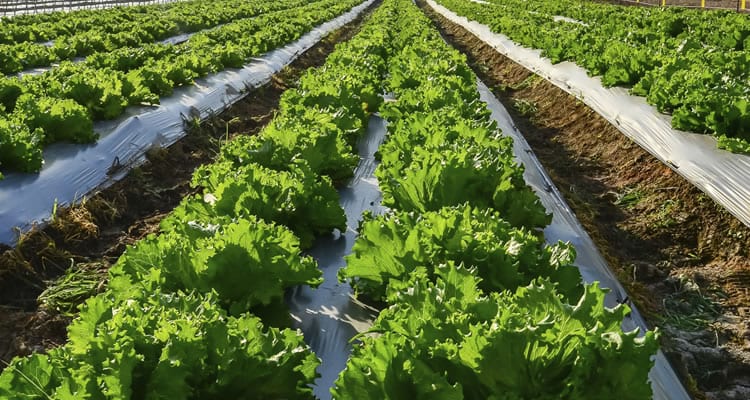
The Centers for Disease Control and Prevention, or CDC, has released a new report about a particular strain of E. coli O157:H7, a Shiga-Toxin producing strain of E. coli that causes humans to have bloody diarrhea, causes kidney damage, and can be life threatening.  While cattle, specifically beef, has been the primary conduit of many E. coli outbreaks, this particularly dangerous pathogen is finding its way into the food chain in leafy greens. 

According to the CDC, E. coli O157:H7 cause about 20 deaths in the U.S. annually and sickens 63.000 on average.  Its symptoms last for a week to two weeks, in most hosts, but can cause hemolytic uremic syndrome in children those with a weak immune system or elderly people.  In young children the prognosis can be very serious, with mortality rates among the hardest hit at only 60 to 70%. The impact of HUS can last weeks, months, or impact a person’s health for life, often requiring multiple kidney transplants.  Cases of HUS, according to Ron Simon, a national e. coli lawyer and food safety expert, “can be life altering.  The Shiga -toxin causes damage to the small blood vessels if the kidneys, and can cause clots.  If the kidneys become clogged, there is ensuing kidney failure.  Careful monitoring of kidney function is imperative during episodes of E. coli poisoning, and dialysis may be needed.”

Th strain of E. coli O157:H7 that has been linked to leafy greens has been identified as REPEXH02, a recurring, emerging, and/or persistent strain (REP Strain).  This strain was first noticed in 2015, and by 2020, just under 60% of attributable  E. coli O157:H7 illnesses were traced to leafy greens – otherwise know to be vegetable row crops.

The findings were reported in the latest edition of the CDC’s Emerging Infectious Diseases journal. The data were drawn from the PulseNet database of 356 isolates related to the outbreak strain.  Of the 356, 302 were from people sickened  in 6 outbreaks between September 27, 2016, to January 3, 2020. 

Share. Facebook Twitter Pinterest LinkedIn Tumblr Email
Avatar photo
McKenna Madison Coveny

Related Posts

What Does Naturopathic and Holistic Medicine Have to Say About Food Poisoning?

April 15, 2026

Post-Infectious Irritable Bowel Syndrome (PI-IBS): Prevalence, Timing, and Risk Factors

April 7, 2026

How to Eat Street Food Safely: A Traveler’s Guide to Avoiding “Delhi Belly”

March 31, 2026

The Impact of Organic vs. Conventional Farming on Food Safety

March 16, 2026
Add A Comment
Leave A Reply Cancel Reply

Attorney Advertisement
Ron Simon

Subscribe to Updates

Get the latest food safety recall, outbreak, & investigation news.

Latest Posts

Five Lesser-Known Foodborne Pathogens That Demand Your Attention

April 29, 2026

Hepatitis A and the Global Berry Trade

April 22, 2026

Salmonella: The Most Common Strains and Everything You Need to Know

April 21, 2026

Food Poisoning News is a website devoted to providing you with the most current information on food safety, dangerous pathogens, food poisoning outbreaks and outbreak prevention, and food poisoning litigation.

We're social. Connect with us:

Facebook X (Twitter) YouTube
Latest Posts

Five Lesser-Known Foodborne Pathogens That Demand Your Attention

April 29, 2026

Hepatitis A and the Global Berry Trade

April 22, 2026

Salmonella: The Most Common Strains and Everything You Need to Know

April 21, 2026
Get Informed

Subscribe to Updates

Get the latest food safety recall, outbreak, & investigation news.

Facebook X (Twitter) YouTube
  • Home
© 2026 Food Poisoning News. Sponsored by Ron Simon & Associates a Houston, TX law firm. Powered by ArmaVita.
Our website and content are for informational purposes only. Food Poisoning News does not provide legal advice, medical advice, diagnosis, or treatment.

Type above and press Enter to search. Press Esc to cancel.