


Is “Reheated Rice Syndrome” truly something to worry about?
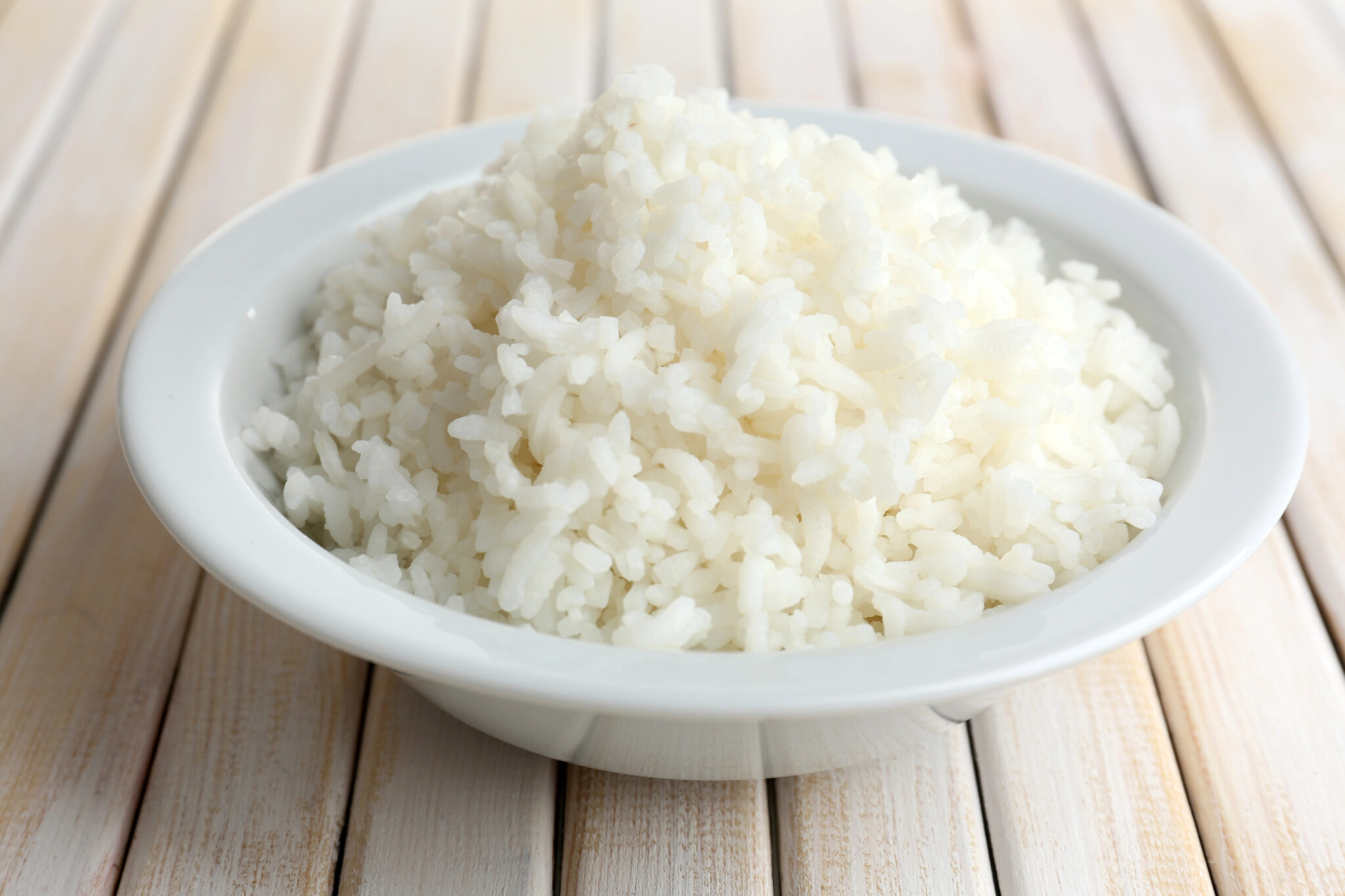
“Reheated Rice Syndrome” otherwise known as “Fried Rice Syndrome” has recently become popularized across many social media platforms, scaring many into never consuming leftover rice. On Tiktok, a story went viral about a man in 2008 who lost his life after reheating five day old pasta. This story led to the false assumption that reheated pasta or rice should never be consumed under any circumstance. The true danger, in fact, comes from the improper storage of the rice rather than the reheating itself.
The relevant bacteria in this case is Bacillus cereus (B. cereus), a type of fast growing, “spore-forming” bacteria that spreads on starches. Although this phenomenon has been deemed “Reheated Rice Syndrome”, the same dangers can be applied to other starches such as potatoes and pasta. When a starch is left out for an extended period of time in the danger zone (40°F-140°F), its spores will produce toxins. If rice or any other starch is left out for more than two hours, it should be thrown away and not preserved. The Centers for Disease Control and Prevention (CDC) states that Bacillus cereus accounts for 63,000 yearly cases of foodborne illness in the United States.
What sets B. cereus apart from bacteria such as salmonella and E. coli is its ability to survive high cooking temperatures and digestion. If the bacteria has multiplied on a serving of rice, its toxins will be equally as dangerous after reheating it in the microwave. According to the University of Washington, “when you reheat it, you’re killing the vegetative cells, you’re not destroying the toxins.”
The best way to prevent the growth of this bacteria is to immediately refrigerate any leftovers.
Even though rice is stuck in everyone’s mind, this danger is not unique to starches. There is also an equally dangerous spore-forming bacteria called Clostridium perfringens that produces similar toxins on meats and gravy. C. perfringens is responsible for 15 times the amount of foodborne illness than B. cereus.
Another false assumption popularized by this viral story is that consuming this bacteria will result in death. Of the 63,000 yearly cases of B. cereus, only 20 were hospitalized. Severe intestinal infections leading to death are quite rare. The common symptoms of coming into contact with high amounts of this bacteria include vomiting, diarrhea, nausea, and cramps. The symptoms typically only last around 24 hours. If symptoms have not subsided after 2 days, contact a healthcare provider.
