

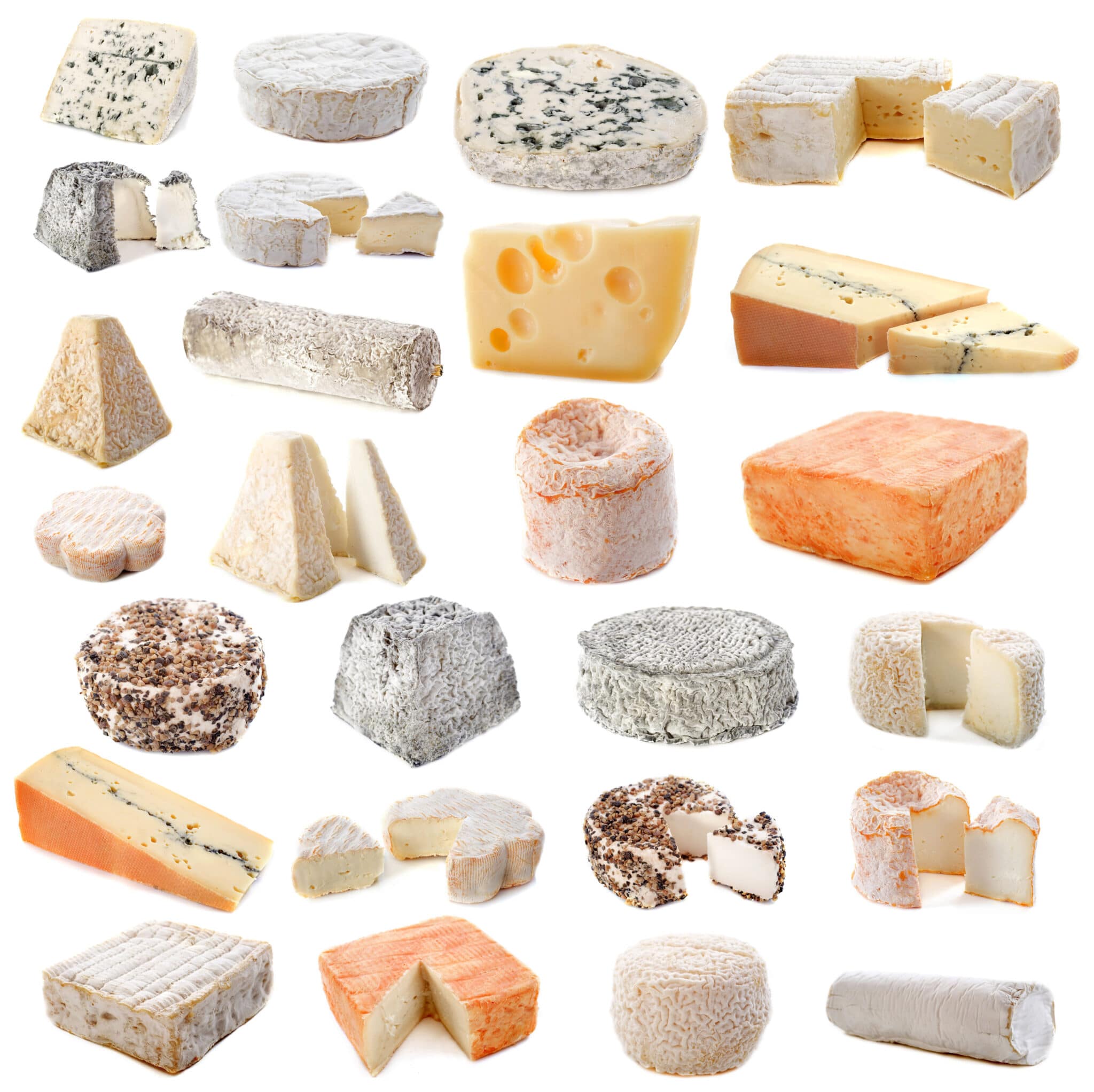

A recent outbreak of Yersinia enterocolitica has caught the attention of health authorities across Europe, with 136 cases reported in four countries. The European Centre for Disease Prevention and Control (ECDC) has identified raw milk goat cheese produced in southeastern France as the likely source of the infections, according to The Sun.
Yersinia enterocolitica is a bacterium that causes yersiniosis, a foodborne illness typically associated with consuming contaminated pork products. However, this outbreak has highlighted the potential risks of unpasteurized dairy products, specifically artisanal cheeses.
The majority of cases – 133 – were reported in France between January and July 11, 2024. The Provence-Alpes-Côte d’Azur region in southeastern France was the epicenter, with 57 cases identified. However, infections were noted throughout mainland France, affecting individuals ranging from 3 to 85 years old, with a slight majority (57%) being women.
Beyond France’s borders, single cases were reported in Belgium, Luxembourg, and Norway, all sharing the same bacterial strain (biotype 2, serotype O:9) as the French cases. This genetic similarity strongly suggests a common source of infection.
The ECDC’s investigation revealed an unusually high consumption of a specific raw milk goat cheese among those affected. This cheese, a specialty from southeastern France, has been implicated as the likely vehicle of transmission. In response, French authorities have initiated product recalls to limit further spread of the bacteria.
The spread of the contaminated products across multiple European countries has created a significant health risk. Individuals who purchased or consumed these products before safety measures were implemented are at a higher likelihood of developing yersiniosis. This elevated risk extends not only to direct consumers but also to those who may have been indirectly exposed to the contaminated items in various environments prior to the outbreak being identified and contained.
Yersiniosis can manifest differently depending on the age of the infected individual. Young children typically experience fever, abdominal pain, and potentially bloody diarrhea. In older children and adults, the infection may mimic appendicitis, causing fever and pain in the right side of the abdomen. Sore throats are also common in pediatric cases.
While most cases of yersiniosis are self-limiting and resolve without specific treatment, the illness can be severe in some instances. Proper hydration is crucial, especially for young children who are more susceptible to dehydration. Medical attention is advisable for children with prolonged symptoms, bloody stools, high fever, or signs of dehydration, which include limited or no urination, dark urine, extreme thirst, dry mouth or throat, feeling dizzy or lightheaded, or crying without producing tears.
The incident is a key example of the critical need for continued robust food safety systems and international cooperation in disease surveillance. The ability to quickly identify and respond to foodborne outbreaks across national borders is crucial for protecting public health in an interconnected world.
The ECDC has warned that the risk of contracting yersiniosis remains high for consumers who may have purchased the implicated products before control measures were implemented. There’s also concern that cases may be underreported due to lack of routine genetic sequencing of bacterial isolates in some regions.
There are always potential risks associated with consuming unpasteurized dairy products. While raw milk cheeses are prized for their unique flavors and traditional production methods, they can harbor harmful bacteria if not properly handled or produced under stringent hygienic conditions. In turn, that carries inherent risks, particularly for vulnerable populations such as young children, the elderly, pregnant women, and those with compromised immune systems.
To reduce the risk of yersiniosis and other foodborne illnesses, health authorities recommend several precautions:
- Thoroughly cook pork products, as Yersinia is commonly associated with undercooked pork.
- Practice good hand hygiene, especially after handling raw meat or coming into contact with animals.
- Be cautious with unpasteurized dairy products, particularly if you’re in a high-risk group.
- Ensure drinking water is from a safe, treated source.
- Properly wash fruits and vegetables before consumption.
Health authorities continue to actively monitor the situation. The control measures put in place are expected to reduce the risk of further infections, but national health agencies remain on high alert. Consumers who have purchased raw milk goat cheese from the affected region should check for recall notices and dispose of any implicated products.
Commenting on this story, one national food poisoning lawyer said, “There is a delicate balance between traditional food production methods and modern food safety standards. Artisanal cheeses and other traditional foods are an important part of culinary heritage, but producers must adhere to strict hygiene practices to ensure consumer safety.”
