

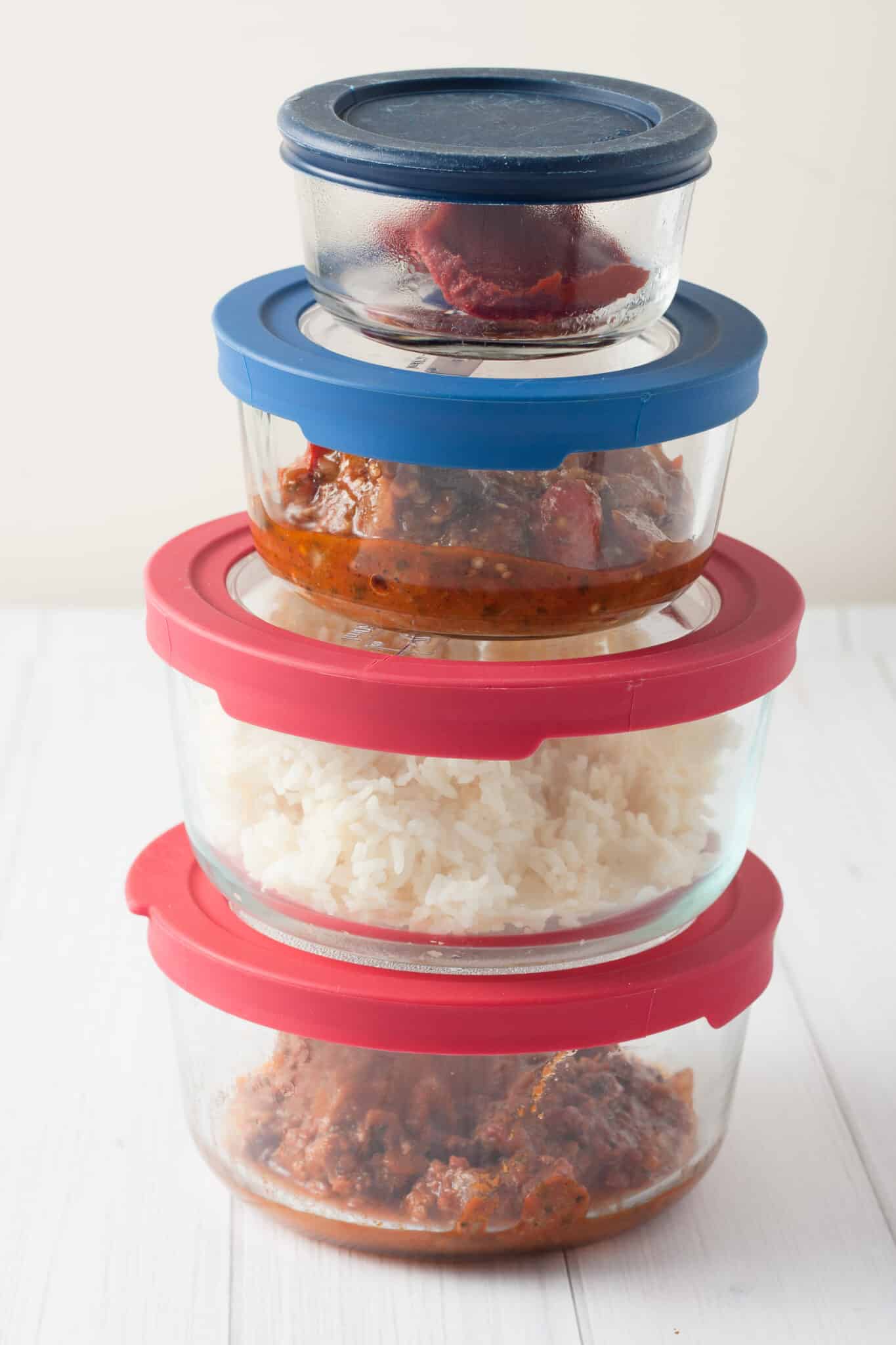

The Art of Storing Leftovers: Maximizing the Freezer’s Potential
In a world where reducing food waste is a growing priority, leftovers and proper storage methods have become essential practices. One of the most effective ways to preserve food and ensure it lasts longer is by storing it in the freezer. Freezing leftovers can save time, cut down on grocery bills, and make meal planning more convenient. Here’s a comprehensive guide to making the most of your freezer and keeping your leftovers fresh.
The Benefits of Freezing Leftovers
- Extended Shelf Life: Freezing halts bacterial growth, meaning your food stays safe to eat for a longer period. Items that would spoil in a few days in the fridge can last for months in the freezer.
- Reduced Waste: Freezing leftovers can drastically cut down on the amount of food that ends up in the trash. If you regularly have food that doesn’t get eaten, the freezer is a great way to extend its usefulness.
- Convenient Meals: On busy days when cooking feels overwhelming, having ready-to-go frozen meals can be a lifesaver. Just heat and enjoy!
- Cost-Efficient: Storing and later using leftovers reduces the frequency of grocery shopping trips and allows you to get the most out of the ingredients you’ve already bought.
Best Practices for Freezing Leftovers
- Cool Before Freezing: Before placing food in the freezer, allow it to cool down. Placing hot or warm food directly into the freezer can raise the freezer’s temperature, potentially affecting other stored items.
- Use Proper Containers: Airtight containers, freezer bags, and vacuum-sealed packages are best for freezing food. These prevent air from entering, reducing the risk of freezer burn—a condition where food becomes dehydrated and loses flavor due to prolonged exposure to air.
- Label and Date Everything: Always label your leftovers with the date they were frozen. This helps you track how long the food has been stored and ensures you use older items first. While most foods remain safe to eat indefinitely when frozen, their quality may deteriorate over time.
- Portion Control: Freeze leftovers in individual portions. This not only makes thawing and reheating easier but also helps with portion control. It’s especially handy for those who live alone or for households with varying meal needs.
- Organize Your Freezer: Keep similar items together, like soups, stews, and baked goods, in specific sections. This organization helps prevent forgotten items from getting lost at the back of the freezer.
- Use Freezer-Safe Wraps: Foods like bread, pastries, or meats can be wrapped in foil or freezer paper before placing them in bags for an extra layer of protection against freezer burn.
What Not to Freeze
Not all foods handle freezing well. For example:
- Cream-based sauces: These can separate and become grainy after thawing.
- Leafy greens for salads: While cooked greens freeze well, fresh ones tend to become limp.
- High-moisture vegetables (e.g., cucumbers, lettuce): These can turn mushy when thawed.
- Fried foods: They often lose their crispiness and can become soggy.
Thawing and Reheating Frozen Leftovers
- Thaw Safely: The best methods for thawing frozen leftovers are in the refrigerator overnight, in cold water (changing the water every 30 minutes), or in the microwave. Thawing on the countertop is not recommended due to the risk of bacterial growth.
- Reheat Properly: To ensure even reheating and food safety, reheat leftovers to an internal temperature of at least 165°F (74°C). Soups and stews should be brought to a rolling boil.
- Refreezing: While refreezing is possible, it’s best to avoid doing it with most foods as it can lead to quality deterioration. For instance, the texture might change, and the flavor could be compromised.
Foods That Freeze Exceptionally Well
- Soups and Stews: These are freezer-friendly and tend to taste even better after being stored.
- Casseroles and Pasta Bakes: Comfort foods like lasagna or shepherd’s pie are ideal for freezing and reheating.
- Cooked Grains and Beans: Rice, quinoa, lentils, and beans freeze well and are easy to reheat for quick meal additions.
- Baked Goods: Bread, muffins, and cookies can be frozen and thawed for fresh enjoyment later.
Final Tips: Optimizing Freezer Storage
- Keep your freezer at or below 0°F (-18°C) to ensure food stays safe.
- When freezing liquids, leave space in containers for expansion.
- Rotate items regularly by placing new additions in the back and older items in the front.
One national food poisoning attorney, commenting on the importance of properly storing leftovers, says, “When certain foods and products are stored improperly, serious illness can occur from the consumption or cross-contamination of these items. That is why it is important that consumers follow the guidelines provided by the CDC, which help immensely in preventing outbreaks linked to this problem.”
Mastering the art of freezing leftovers helps in the battle against food waste while making your life easier. With a bit of planning and organization, your freezer can become a treasure trove of delicious meals ready whenever you need them!
