

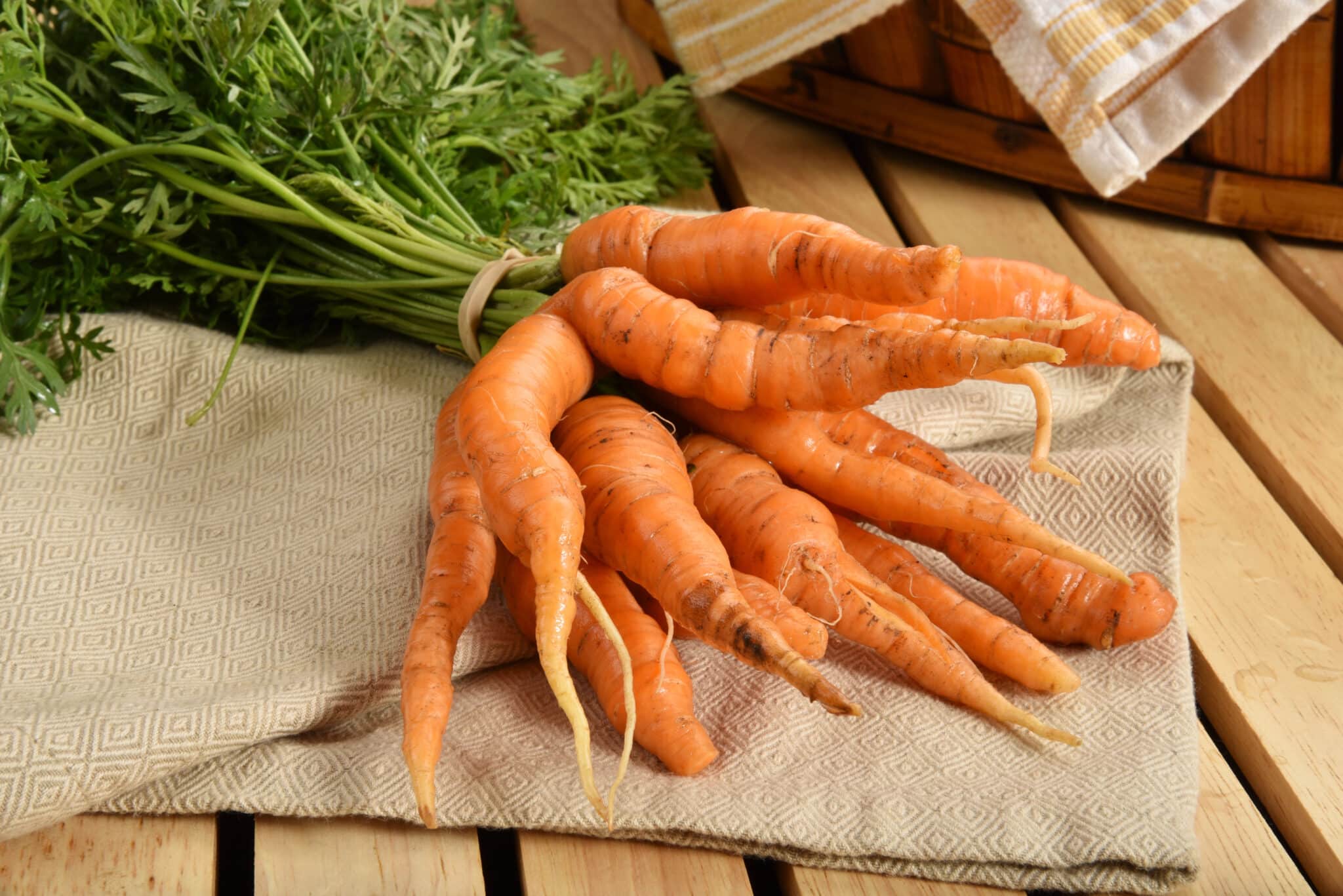

The First Carrot E. coli Lawsuit has Now Been Filed – What is E. coli O121:H9, and Why Carrots?
Carrots, like other fresh produce, can become contaminated with Escherichia coli (E. coli) through various pathways during cultivation, harvesting, processing, and distribution. Understanding these contamination routes is crucial for implementing effective preventive measures.
Pathways of E. coli Contamination in Carrots
- Agricultural Practices: The use of contaminated water for irrigation is a significant risk factor. If water sources are polluted with fecal matter, they can introduce E. coli onto the surface of carrots. Additionally, the application of inadequately composted manure as fertilizer can serve as a direct source of contamination.
- Soil and Environmental Factors: E. coli can persist in soil, especially if the land has been exposed to contaminated water or animal feces. Carrots, being root vegetables, grow underground and are in direct contact with soil, increasing the likelihood of contamination.
- Harvesting and Handling: During harvesting, carrots may come into contact with contaminated equipment or surfaces. Post-harvest handling, including washing, peeling, and packaging, presents further opportunities for contamination if proper hygiene practices are not strictly followed.
- Processing Techniques: Studies have shown that the method of slicing carrots can influence the depth of bacterial penetration. For instance, using a blunt machine blade can create cracks, allowing E. coli to infiltrate deeper into the carrot tissue, making it more challenging to eliminate through surface cleaning Food Navigator.
Unique Aspects of the Current E. coli O121Outbreak
The recent outbreak of E. coli O121linked to organic carrots is notable for several reasons:
- Scale and Severity: As of November 18, 2024, the carrot e. coli outbreak has resulted in 39 reported illnesses, 15 hospitalizations, and one death across 18 states.
- Product Recall: Grimmway Farms, a major producer, issued a nationwide recall of organic whole and baby carrots sold under various brand names, including Trader Joe’s, Wegmans, Kroger, and Target, due to potential contamination.
- Distribution Channels: The affected carrots were distributed widely across the United States, Canada, and Puerto Rico, highlighting the extensive reach of modern food distribution networks and the potential for widespread impact when contamination occurs.
Testing for E. coli O121:H9 – Is it the Same as O157:H7?
Detecting E. coli O121presents certain challenges. Many who have it will have a standard test for O157:H7 (the most common Shiga Toxin-Producing E. coli, known as “STEC”) and this will come back negative. Why is this?:
- The standard tests for E. coli O157, such as enzyme immunoassays or specific culture methods, are tailored to detect the unique antigens and virulence factors of that serotype. These tests typically will **not detect E. coli O121unless they are specifically designed or adapted for that serotype:
- Serotype-Specific Antigens: E. coli O157is identified based on its unique “O” (lipopolysaccharide) and “H” (flagellar) antigens. O121has different “O” and “H” antigens that require separate reagents or primers for identification.
- Genetic Variability: While E. coli O121and O157share certain pathogenic traits (e.g., Shiga toxin production), their genetic makeup is distinct. Molecular tests like PCR need specific primers targeting the genes of O121, such as stx genes and the specific eae allele.
- Cross-Reactivity Issues: Some tests for E. coli O157may show cross-reactivity with other serotypes, but this is not reliable for conclusive identification of O121.
What testing is available for O121:H9? There are three options, including: PCR Assays – targeting genes specific to the O121serotype; Serotyping – identifying the “O” and “H” antigens directly using serological methods; and Whole-Genome Sequencing (WGS) – for comprehensive outbreak investigation and pathogen characterization.
Thus, while tests for O157are widely available and effective for that serotype, they are not sufficient to confirm or rule out O121. Specialized testing is required to accurately detect this emerging strain.
In response to the outbreak, have any Carrot S. Coli Lawsuits been filed?
- Lawsuits Filed: Ron Simon & Associates, a law firm specializing in food poisoning, has filed the first lawsuit against Grimmway Farms on behalf of individuals affected by the E. coli outbreak. The firm has also established a claim center to assist victims.
- Consumer Rights: These legal actions underscore the rights of consumers to seek compensation for illnesses resulting from contaminated food products and highlight the accountability of producers in ensuring food safety.
The Investigation into the E. coli O121 contaminated carrots is ongoing. Continue to follow FoodPoisoningNews.Com for more information.
