

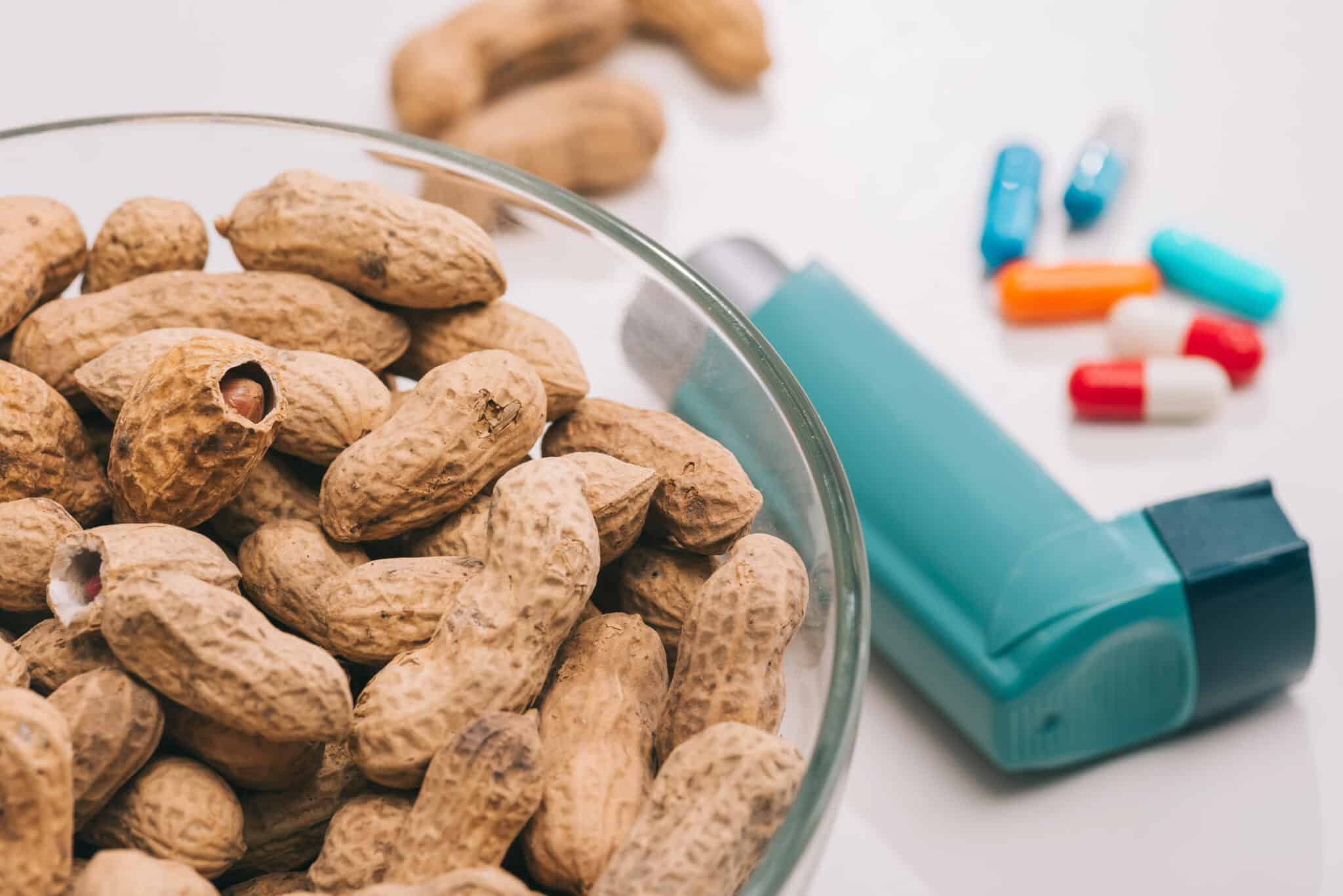

Peanut allergies have become increasingly prevalent, affecting millions of people around the world. These allergies are recognized as one of the most common food allergies, especially among children, and can lead to life-threatening reactions if not properly managed. Despite the growing awareness of food allergies in general, peanut allergies remain particularly dangerous due to a variety of factors including the severity of allergic reactions, the ubiquity of peanuts in food products, the challenge of diagnosis and treatment, and the lack of widespread availability of immediate interventions. In this essay, we will explore why peanut allergies are so dangerous, examining the physiological mechanisms behind allergic reactions, the risk factors that increase the severity of these reactions, the complications related to diagnosis and management, and the current state of treatment options.
The Mechanisms Behind Peanut Allergies
To understand why peanut allergies are dangerous, it is crucial to first understand what happens in the body when someone with a peanut allergy is exposed to peanuts. Food allergies, including peanut allergies, occur when the immune system mistakenly identifies a normally harmless substance as a threat. In the case of peanuts, the body’s immune system recognizes certain proteins in peanuts as harmful, triggering an immune response. This is an example of an IgE-mediated allergic reaction, where Immunoglobulin E (IgE) antibodies are produced in response to the protein.
Once these antibodies are present in the body, subsequent exposure to peanuts triggers the release of various chemicals, including histamines, from immune cells. Histamines and other inflammatory substances cause the symptoms of an allergic reaction, which can range from mild symptoms such as hives and swelling to severe anaphylaxis. Anaphylaxis is a potentially life-threatening reaction that can cause a rapid drop in blood pressure, difficulty breathing due to airway constriction, and even loss of consciousness. The speed and severity with which these reactions occur can make peanut allergies particularly dangerous, as they can escalate quickly, leading to death if not treated immediately.
The Severity of Reactions
Peanut allergies are known to be particularly severe in comparison to other food allergies, which makes them so dangerous. Unlike some other allergens, the proteins in peanuts are very stable and can survive heat processing. This means that even peanut butter, peanut oil, or other processed products containing peanuts can trigger allergic reactions. The high stability of peanut proteins makes it difficult for people with peanut allergies to completely avoid exposure. Furthermore, the amount of peanut required to cause a reaction is often very small, sometimes as little as a few milligrams of peanut protein. This makes accidental exposure more likely, especially since peanuts are present in many foods that might not be immediately obvious, such as baked goods, candy, sauces, or packaged snacks.
The reactions to peanuts are also unpredictable. While some people may only experience mild symptoms, others may experience a more severe, rapid onset of anaphylaxis. This unpredictability adds to the danger of peanut allergies, as individuals who have not previously had severe reactions may not be prepared for the possibility of an extreme allergic response. The risk of anaphylaxis, a severe and potentially fatal reaction, is a significant concern. According to research, peanut-induced anaphylaxis is one of the leading causes of death from food allergies. The speed with which anaphylactic reactions develop and the severity of the symptoms make peanut allergies a major public health concern.
The Ubiquity of Peanuts in the Food Supply
Another reason why peanut allergies are so dangerous is the widespread presence of peanuts in food products. Peanuts are commonly used in processed foods, ranging from snacks like granola bars and trail mix to candies, baked goods, and even ice cream. Due to their widespread use, people with peanut allergies are at significant risk of cross-contamination, which occurs when peanuts or peanut products come into contact with other foods that may not normally contain peanuts. For instance, a child with a peanut allergy may eat a food item that appears safe, only to experience an allergic reaction due to trace amounts of peanuts that were unintentionally introduced during manufacturing or preparation.
Cross-contamination can occur in various settings, from factories to restaurants, and it is often difficult for people with peanut allergies to fully trust that a product is free of peanuts. In addition, food labeling laws, while improving in many countries, may not always be sufficient to protect those with peanut allergies. Although food products in many regions are required to list peanuts as an allergen, there are instances when labels may not fully disclose potential risks of contamination, either due to lack of regulation or oversight. This creates a constant risk for individuals with peanut allergies, especially children, who may not yet understand how to identify hidden sources of peanuts.
Challenges in Diagnosis and Treatment
One of the difficulties in managing peanut allergies is the challenge of diagnosing the allergy accurately. Diagnosing food allergies typically involves a combination of a detailed medical history, skin tests, and blood tests. However, these tests may not always provide definitive results. In some cases, false positives or false negatives can occur, leading to a misdiagnosis. This is particularly concerning since a false negative could result in an individual unknowingly consuming peanuts, which could lead to an allergic reaction, while a false positive might lead to unnecessary dietary restrictions and anxiety.
Furthermore, there is no cure for peanut allergies. Unlike some other allergies that may fade with age or exposure, peanut allergies tend to be lifelong in many individuals. As a result, those who are diagnosed with peanut allergies must adhere to strict avoidance measures for the rest of their lives. This can be extremely difficult, particularly for children who are at an age where they may be exposed to a wide variety of foods. Additionally, the psychological burden of living with such a serious allergy can be significant, leading to heightened anxiety about accidental exposures and limiting social interactions or participation in certain activities, such as eating out or attending parties.
For individuals with peanut allergies, there are treatment options to manage symptoms, but they are generally focused on emergency interventions rather than long-term solutions. The most common treatment for anaphylaxis is the administration of epinephrine, which is typically delivered via an auto-injector. This medication helps reverse the symptoms of anaphylaxis by constricting blood vessels, increasing blood pressure, and relaxing the muscles in the airways to improve breathing. However, epinephrine is not a cure and only temporarily alleviates symptoms. Individuals with peanut allergies must carry an epinephrine auto-injector at all times in case of accidental exposure. Even with this treatment, the risk of a fatal reaction remains.
In recent years, researchers have been exploring potential therapies for peanut allergies, such as oral immunotherapy (OIT), where small amounts of peanut protein are gradually introduced to build tolerance. While some progress has been made, these therapies are still experimental, and the risks of severe reactions remain a concern. Until such treatments are widely available and proven safe, the best approach to managing peanut allergies remains strict avoidance and prompt use of epinephrine in case of exposure.
The Psychological Impact of Peanut Allergies
In addition to the physical dangers, peanut allergies can have a profound psychological impact. Parents of children with peanut allergies, for instance, often experience heightened anxiety and stress due to the constant vigilance required to avoid exposure. Studies have shown that parents of children with food allergies are more likely to experience anxiety and depression compared to parents of children without food allergies. These psychological burdens can also extend to the individuals with the allergies themselves, particularly children, who may feel isolated or fearful of eating in social situations.
The societal implications are also significant. There is a stigma attached to food allergies, with some individuals perceiving food allergies as overblown or unnecessary concerns. This can lead to difficulties in advocating for the necessary precautions to protect those with allergies, such as allergen-free zones in schools or workplaces. The lack of understanding can further isolate individuals with peanut allergies, exacerbating the emotional toll of managing such a dangerous condition.
Conclusion
Peanut allergies are dangerous for a number of reasons, including the severity and unpredictability of allergic reactions, the widespread presence of peanuts in the food supply, the challenges associated with diagnosis and treatment, and the psychological burden placed on individuals and their families. While advances in research and treatment are underway, the current lack of a cure and the necessity for strict avoidance of peanuts make managing peanut allergies particularly difficult. As awareness of food allergies continues to grow, it is essential for individuals, communities, and healthcare professionals to work together to reduce the risks and improve the quality of life for those affected by peanut allergies.
