

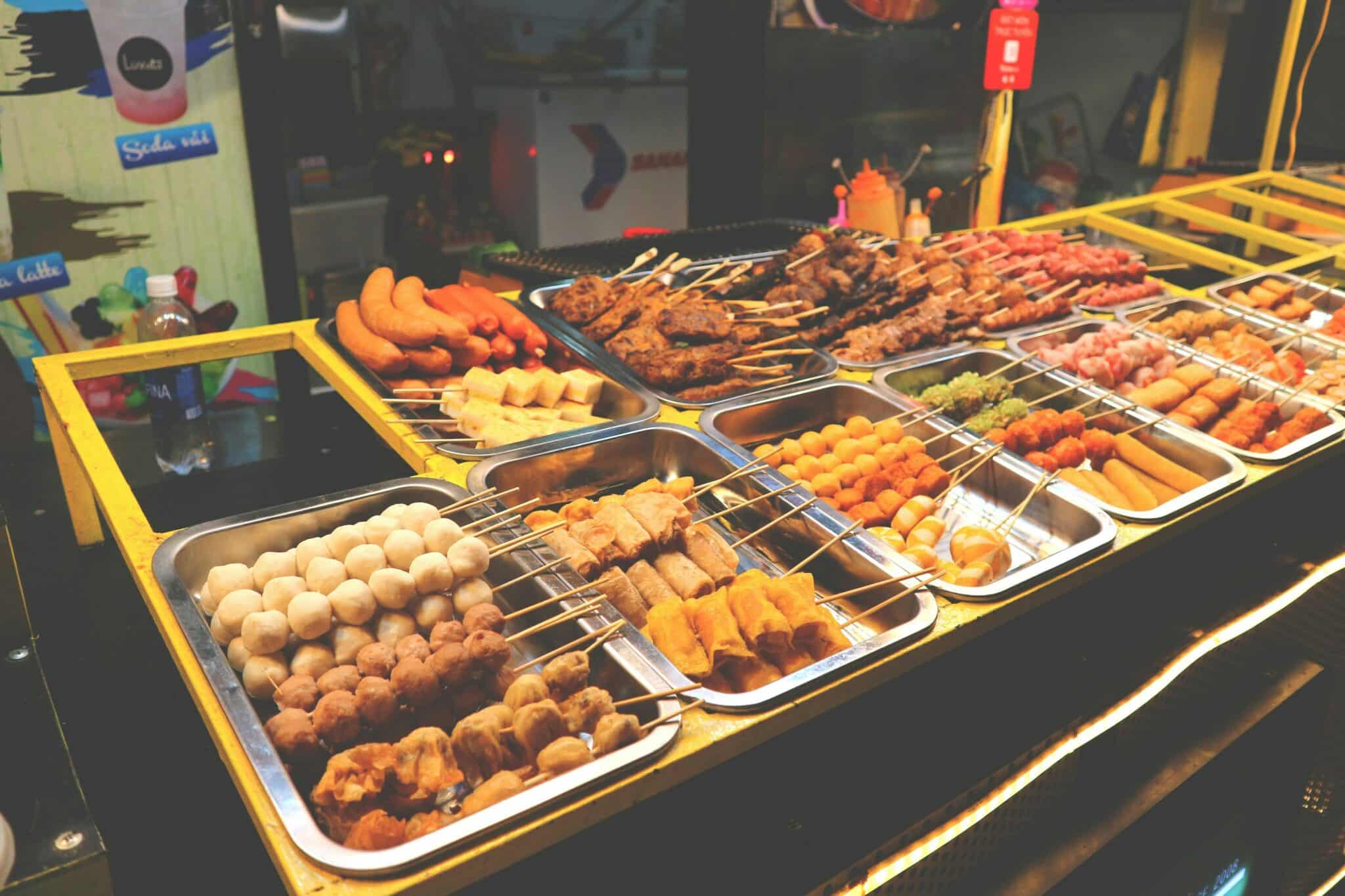

Buffets have long been a popular dining option for those who love variety, value, and the freedom to customize their meals. From all-you-can-eat breakfast spreads to lavish dinner feasts, buffets offer something for everyone. However, behind the endless trays of food lies a hidden risk: buffets are often hotspots for food poisoning. The unique challenges of buffet-style dining make them particularly vulnerable to food safety issues, but with the right precautions, these risks can be minimized.
Why Buffets Are Risky
Buffets present several food safety challenges that aren’t as prevalent in traditional restaurant settings. The most significant issue is the sheer volume of food being served and the length of time it sits out. Unlike à la carte meals, which are prepared and served immediately, buffet dishes are often displayed for hours, creating opportunities for contamination and bacterial growth.
- Temperature Control Issues – One of the biggest risks at buffets is improper temperature control. Perishable foods must be kept either hot (above 140°F) or cold (below 40°F) to prevent the growth of harmful bacteria like salmonella, E. coli, and listeria. However, maintaining these temperatures can be difficult when food is left out for extended periods. Heat lamps and chafing dishes may not always keep food hot enough, while ice trays can melt, allowing cold items to enter the “danger zone” (40°F to 140°F), where bacteria thrive.
- Cross-Contamination – Buffets are a breeding ground for cross-contamination. With multiple people handling the same serving utensils, touching food, or accidentally mixing raw and cooked items, the risk of spreading bacteria increases dramatically. For example, a diner using the same tongs for raw shrimp and cooked vegetables can transfer harmful pathogens, putting others at risk.
- Crowded and High-Traffic Environments – Buffets are often crowded, with diners moving back and forth between tables and food stations. This high-traffic environment increases the likelihood of contamination from coughs, sneezes, or unwashed hands. Additionally, children, who may not always follow proper hygiene practices, can inadvertently contribute to the spread of germs.
- Reusing Leftover Food – In some cases, buffet operators may try to cut costs by reusing leftover food from previous services. This practice, while economically tempting, can be dangerous if the food has been sitting out too long or hasn’t been reheated to a safe temperature.
Real-Life Consequences
The risks of buffet dining aren’t just theoretical—they have real-world consequences. Over the years, numerous foodborne illness outbreaks have been traced back to buffets. For example, norovirus, a highly contagious virus that causes vomiting and diarrhea, is a common culprit in buffet-related outbreaks. It can spread rapidly through contaminated food, surfaces, or even the air in crowded dining areas.
In one notable case, a buffet-style restaurant was linked to a salmonella outbreak that sickened dozens of patrons. Investigators found that the restaurant had failed to maintain proper food temperatures and had allowed cross-contamination between raw and cooked items. Incidents like these highlight the importance of strict food safety protocols in buffet settings.
How to Minimize Risks
For Buffet Operators:
- Strict Temperature Monitoring – Regularly check and record the temperatures of hot and cold dishes to ensure they remain within safe ranges. Use properly calibrated thermometers and replace food frequently to maintain freshness and safety.
- Frequent Food Rotation – Avoid leaving food out for too long by rotating dishes regularly. Smaller, more frequent batches can help ensure that food stays fresh and safe to eat.
- Clear Hygiene Protocols – Train staff on proper food handling techniques, including the use of gloves, frequent handwashing, and avoiding cross-contamination. Provide clear signage to remind diners to use serving utensils and avoid touching food with their hands.
- Regular Cleaning and Sanitizing – Clean and sanitize serving stations, utensils, and high-touch surfaces frequently to prevent the spread of germs.
For Diners:
- Observe the Setup – Before diving in, take a moment to assess the buffet. Are hot foods steaming and cold foods properly chilled? Are serving utensils clean and separated for different dishes? If something seems off, it’s better to err on the side of caution.
- Practice Good Hygiene – Wash your hands before and after visiting the buffet, and use the provided hand sanitizer if available. Avoid touching your face or using your phone while handling food.
- Be Mindful of Time – Try to visit the buffet early in the service when food is freshest. Avoid dishes that look like they’ve been sitting out for a long time or have been picked over by multiple people.
- Watch for Cross-Contamination – Use separate plates for raw and cooked items, and avoid mixing utensils between dishes. If you notice a spill or contamination, alert staff immediately.
The Bottom Line
Buffets can be a delightful dining experience, but they come with inherent risks that require careful attention from both operators and diners. By understanding the unique challenges of buffet-style dining and taking proactive steps to minimize risks, it’s possible to enjoy the variety and abundance of buffets without compromising safety.
Commenting on this article, the nation’s leading Listeria lawyer said, “When it comes to buffets, a little caution can go a long way in ensuring that your meal is not only delicious but also safe to eat.”
