

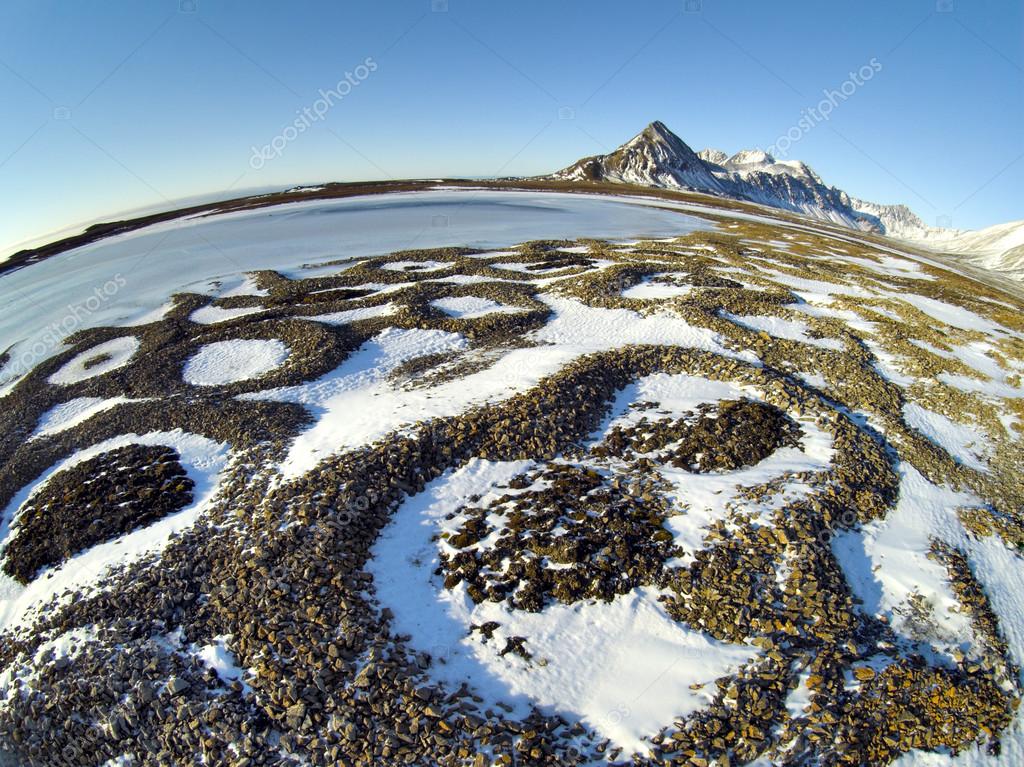

Thawing Arctic permafrost, a layer of permanently frozen soil, is increasingly recognized not only for its role in climate feedbacks but also for releasing biological and chemical hazards into ecosystems. As global temperatures rise, permafrost degradation is accelerating, exposing ancient microbes, industrial pollutants, and radioactive materials that pose risks to local food systems and global seafood supplies.
Revived Microbes and Traditional Diets
Arctic permafrost contains microorganisms, some of which have been dormant for millennia. Recent studies identify antibiotic-resistant bacteria and previously unknown viruses in Siberian permafrost, with potential to mix with meltwater and enter aquatic ecosystems. Indigenous communities, which rely heavily on traditional foods like fish, caribou, and marine mammals, face heightened exposure risks. For example, thawing permafrost has been linked to the re-emergence of anthrax spores from animal carcasses, as observed in Siberia. Additionally, ice cellars, used for centuries to store food, are becoming unreliable due to rising temperatures, compromising food safety and increasing the risk of contamination.
Permafrost thaw also mobilizes pollutants such as mercury, polychlorinated biphenyls (PCBs), and perfluoroalkyl substances (PFAS), which accumulate in fish and wildlife. Methylmercury, a neurotoxin formed when inorganic mercury interacts with microbes in thawing soil, bioaccumulates in Arctic food webs, endangering communities dependent on subsistence hunting and fishing.
Global Seafood Supplies at Risk
The Arctic’s role in global seafood systems is under threat. Thawing permafrost contributes to ocean acidification and harmful algal blooms (HABs), which disrupt marine food chains. Toxins from HABs, such as domoic acid, can accumulate in shellfish and fish, posing risks to human health when consumed. Furthermore, industrial contaminants like DDT and radioactive waste, stored or abandoned in permafrost during the Cold War, are now re-entering ecosystems. These pollutants can travel through ocean currents, affecting fisheries far beyond the Arctic.
Increased shipping activity in ice-free Arctic waters exacerbates these risks. Ballast water from vessels introduces non-native microbes and pathogens to sensitive marine environments, while oil and gas extraction infrastructure destabilized by permafrost thaw raises the likelihood of spills. Researchers warn that thaw-induced erosion could release antibiotic-resistant bacterial strains into waterways, potentially entering global seafood supply chains.
Interconnected Challenges
The intersection of microbial revival, chemical mobilization, and ecosystem disruption creates cascading risks. Indigenous communities in Alaska, Greenland, and Siberia report declining health in wildlife populations, such as thinner seals and fewer fish, linked to contaminant exposure. Meanwhile, global seafood markets face indirect threats via bioaccumulation of toxins in species like salmon and cod, which are critical to commercial fisheries.
Efforts to address these risks remain fragmented. International collaborations, such as the EU-funded Nunataryuk project, aim to map contamination hotspots and develop adaptation strategies. However, data gaps persist, particularly in understanding the long-term viability of revived pathogens and their interactions with modern ecosystems.
In summary, thawing permafrost acts as a conduit for both ancient and modern hazards, threatening local food security and global marine resources. Mitigating these risks requires transdisciplinary research, robust monitoring systems, and policies that integrate Indigenous knowledge with scientific data to safeguard health and ecosystems.
