

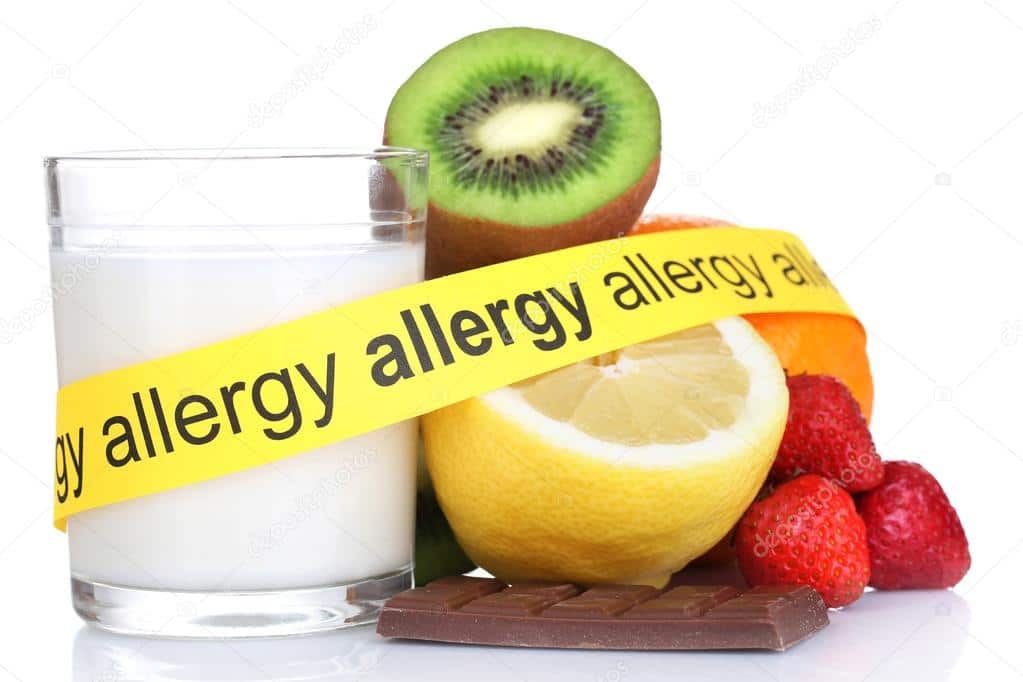

The intersection of foodborne illnesses and allergic reactions has become a focal point in public health, driving increased awareness of food allergies. Misdiagnoses between these conditions are common due to overlapping symptoms, prompting individuals and healthcare providers to prioritize accurate identification and management strategies.
Symptom Overlap and Diagnostic Challenges
Food poisoning and food allergies share symptoms such as vomiting, diarrhea, abdominal pain, and nausea, complicating initial diagnoses. For example, Staphylococcus aureus toxins in contaminated food can cause acute vomiting within hours, mimicking IgE-mediated allergic reactions. Similarly, Bacillus cereus toxins induce diarrheal or emetic syndromes that overlap with allergy symptoms. Conversely, non-IgE-mediated conditions like Food Protein-Induced Enterocolitis Syndrome (FPIES) trigger delayed vomiting and diarrhea 2–6 hours after ingestion, often mistaken for bacterial or viral gastroenteritis.
Scrombroid poisoning, caused by histamine accumulation in improperly stored fish (e.g., tuna, mackerel), produces allergy-like symptoms such as flushing, hives, and hypotension. However, this condition stems from toxin exposure rather than an immune response, highlighting the need for differential diagnosis.
Public Health Impact and Outbreak-Driven Awareness
High-profile foodborne outbreaks have amplified public scrutiny of food safety and allergy risks. In 2024, a Listeria outbreak linked to deli meats hospitalized 61 individuals, with 10 fatalities, while an E. coli outbreak tied to fast-food hamburgers affected 104 people. Such incidents often prompt consumers to seek medical evaluations, inadvertently leading to the discovery of underlying food allergies. For instance, individuals experiencing gastrointestinal distress post-consumption may undergo allergy testing, revealing previously undiagnosed IgE-mediated sensitivities.
The CDC estimates 48 million annual foodborne illnesses in the U.S., with 1 in 6 Americans affected, underscoring the scale of exposure. Concurrently, food allergies impact 8% of children and 4% of adults, necessitating clearer diagnostic frameworks to distinguish between toxicity and immune-mediated reactions.
Educational and Diagnostic Advancements
Efforts to differentiate these conditions have spurred advancements in diagnostics and public education. The FDA and CDC now employ whole-genome sequencing (WGS) and AI-driven analytics to trace pathogens, reducing outbreak durations and improving risk communication. Allergy clinics emphasize skin-prick tests, IgE blood tests, and oral food challenges to confirm immune responses, while excluding toxin-related causes.
Campaigns like National Food Safety Education Month (September) promote hygiene practices, safe cooking temperatures, and allergen awareness, bridging gaps in consumer knowledge. Additionally, regulatory updates, such as the inclusion of sesame as the ninth major allergen under the FASTER Act (2023), reflect evolving awareness of dietary risks.
Conclusion
The rise in food allergy awareness is inextricably linked to the prevalence of foodborne illnesses. Misattribution of symptoms has driven demand for precise diagnostics, while high-profile outbreaks and public health initiatives have elevated consumer vigilance. Continued collaboration between allergists, epidemiologists, and regulatory agencies remains critical to mitigating risks and clarifying the distinction between toxicity and immune dysfunction in food-related adverse events.
