

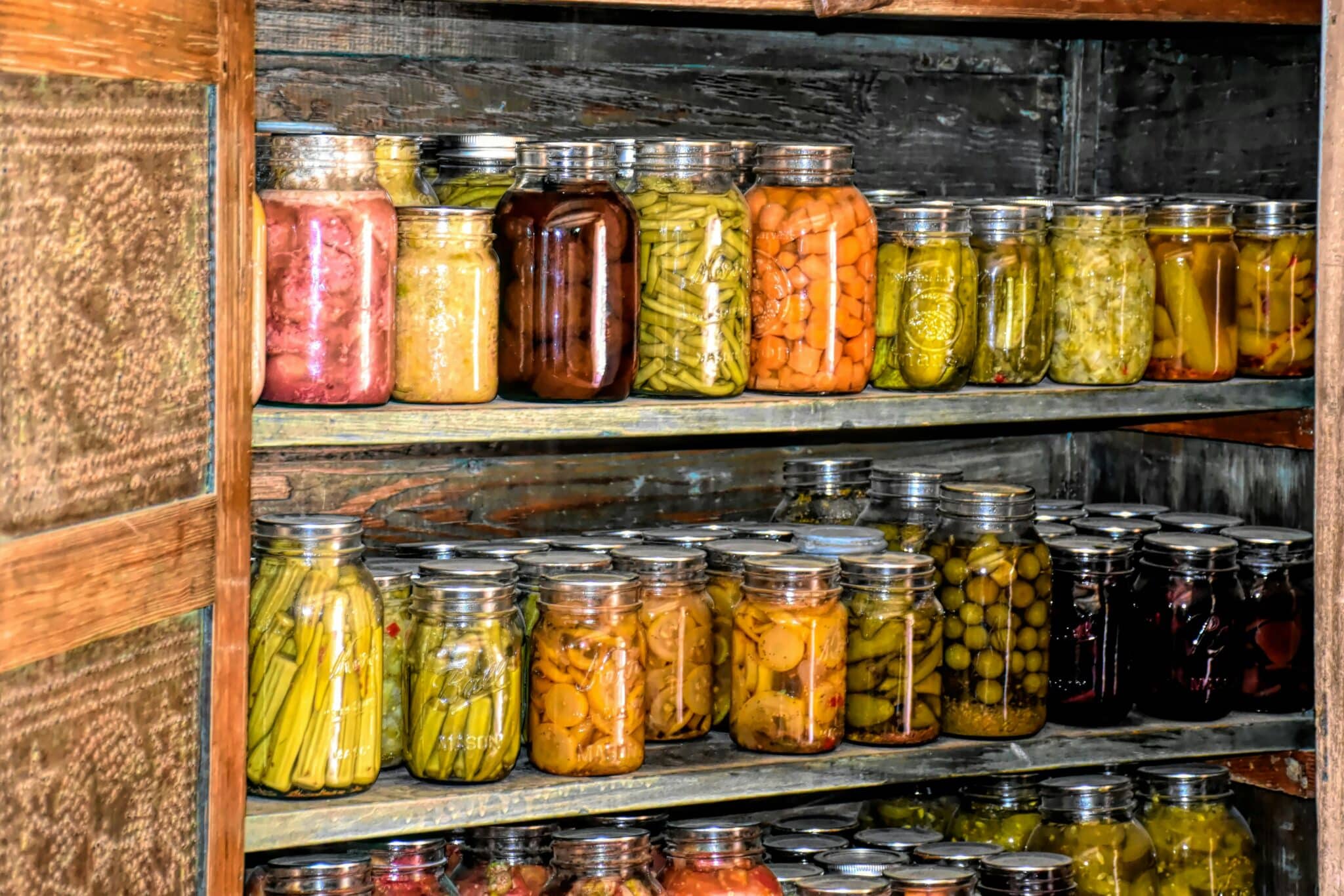

Canning is a time-honored method of food preservation, celebrated for its ability to extend the shelf life of fruits, vegetables, meats, and more. Whether practiced at home or in commercial settings, canning provides convenience and reduces food waste. However, improper canning techniques can pose serious health risks, particularly the threat of foodborne illnesses. Among these, botulism—a rare but potentially fatal illness caused by Clostridium botulinum—is of particular concern. Ensuring canning safety is critical to prevent the growth of harmful bacteria and to keep preserved foods safe for consumption.
Understanding the Risks
Canned foods create an environment where microorganisms can thrive if oxygen is eliminated and heat is not properly applied. Clostridium botulinum, the bacterium responsible for botulism, is particularly dangerous because it produces a toxin in low-oxygen, low-acid conditions, such as those found in improperly processed canned goods. A single taste of contaminated food can lead to symptoms like blurred vision, difficulty swallowing, muscle weakness, and potentially respiratory failure.
Other bacteria, including Listeria monocytogenes and Salmonella, can also be present in improperly canned food, especially if raw ingredients were contaminated or if hygiene standards were not maintained during preparation.
High-Risk Foods in Canning
Low-acid foods—such as green beans, corn, potatoes, meats, and seafood—pose the highest risk for botulism and must be processed in a pressure canner. High-acid foods, including fruits, tomatoes (with added acid), jams, and jellies, are less risky and can be safely processed using a boiling water bath method.
The distinction is essential: pressure canning reaches temperatures above boiling (240–250°F or 116–121°C), which are necessary to destroy Clostridium botulinum spores. Boiling alone (212°F or 100°C) is not sufficient for low-acid foods.
Safe Canning Practices
To minimize the risk of foodborne illness when canning, both home preservers and food businesses must follow rigorous safety protocols. The United States Department of Agriculture (USDA) and National Center for Home Food Preservation (NCHFP) offer science-based guidelines that should be closely followed.
1. Use Tested Recipes Only
Use only USDA-approved or university extension-tested recipes. These recipes are specifically designed to ensure the right pH levels, processing times, and methods for different foods.
2. Sterilize Jars and Equipment
While sterilization alone won’t kill C. botulinum spores, it reduces contamination risk. Clean jars, lids, and utensils in hot, soapy water and keep them hot until use. Do not reuse jar lids, as they may fail to seal properly.
3. Check Acidity Levels
Some foods, like tomatoes, may vary in acidity and require the addition of lemon juice or citric acid to ensure safety. When in doubt, adjust acidity according to tested recipes.
4. Use the Right Method
Never substitute boiling water bath processing for pressure canning in low-acid recipes. Doing so can result in underprocessing and dangerous food.
5. Ensure Proper Seals
Jars must form a vacuum seal. After processing and cooling, check the lids for a concave shape and a firm seal. Any jars that do not seal properly should be refrigerated and used promptly.
6. Label and Store Correctly
Label jars with contents and date of canning. Store in a cool, dark, and dry location. Home-canned goods should be consumed within one year for best quality and safety.
Signs of Spoilage
Despite precautions, spoilage can occur. Do not consume canned goods that show the following signs:
- Bulging lids
- Leaking jars
- Rust on the lid or seams
- Unusual odor
- Discoloration or mold inside the jar
- Fizzing or bubbling upon opening
If botulism is suspected, do not taste the food. Dispose of it safely, wearing gloves, and disinfect any surfaces it contacts.
Responding to Suspected Illness
If you suspect a foodborne illness after eating home-canned foods—especially symptoms like double vision, muscle weakness, or trouble breathing—seek immediate medical attention. Early administration of antitoxin can prevent serious complications. In the U.S., suspected botulism cases must be reported to local health departments and the CDC.
Final Note
While canning is a rewarding and efficient way to preserve food, it is not without risks. Foodborne pathogens like Clostridium botulinum can turn a homemade jar of vegetables into a health hazard if proper techniques aren’t followed. Adhering to evidence-based guidelines, using tested recipes, and maintaining a clean, controlled environment are the best ways to enjoy canned foods safely.
Canning safety isn’t just a matter of tradition—it’s a matter of public health. Whether you’re preparing jars for family use or small business sales, every step you take to prevent contamination is a step toward protecting yourself and others from serious foodborne illness.
