

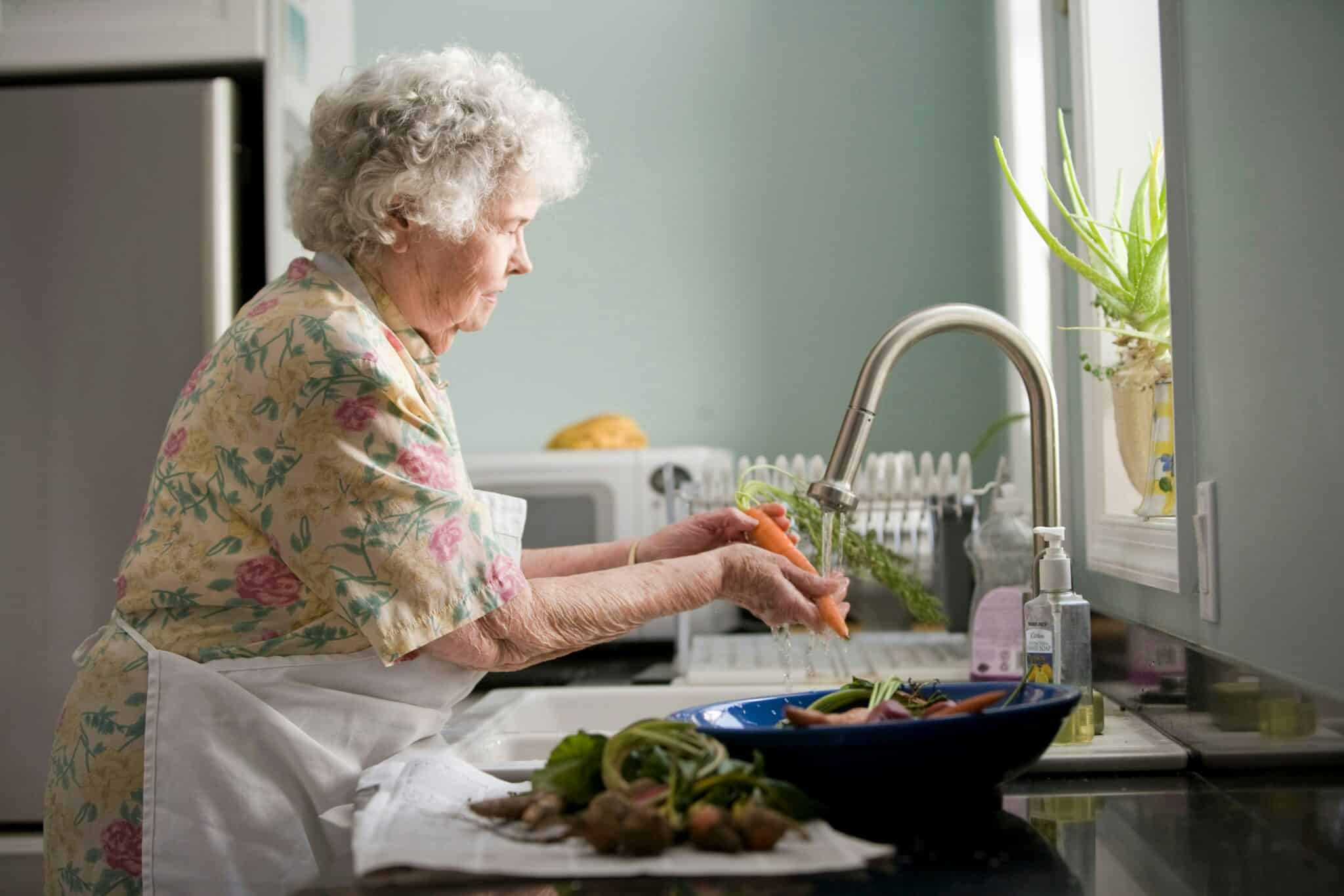

Food poisoning can affect anyone, but for the elderly, it poses a particularly serious threat. As people age, their bodies undergo a variety of changes that make them more susceptible to infections, including those caused by foodborne pathogens. Older adults not only get sick more easily, but the consequences of food poisoning can be significantly more severe, sometimes even fatal. Understanding how and why food poisoning impacts seniors differently is essential for caregivers, healthcare providers, and aging individuals themselves.
Weakened Immune Systems
One of the primary reasons foodborne illness hits the elderly harder is due to a weakened immune system. As people age, the immune system becomes less efficient in detecting and responding to harmful pathogens. This natural decline, known as immunosenescence, reduces the body’s ability to mount a strong defense against bacteria, viruses, and other infectious agents found in contaminated food. As a result, infections that might only cause mild discomfort in a younger, healthier person can lead to severe complications in an older adult.
Reduced Stomach Acid Production
The stomach plays a critical role in defending against foodborne pathogens. Its acidic environment helps kill many bacteria before they reach the intestines, where they can cause harm. However, as people age, the production of stomach acid often decreases. Lower stomach acid levels mean that pathogens have a better chance of surviving the journey to the intestines, increasing the likelihood of infection. This change alone can significantly raise the risk of food poisoning in older adults.
Slower Digestive Processes
In the elderly, the entire digestive process tends to slow down. This includes everything from chewing and swallowing to stomach emptying and intestinal movement. Slower digestion can allow harmful microbes more time to multiply within the body, potentially increasing the severity of illness. Additionally, slower digestion can make it harder for the body to quickly rid itself of contaminated food, compounding the effects of an infection.
Chronic Conditions and Medications
Many older adults live with chronic health conditions such as diabetes, kidney disease, or heart disease. These conditions can further weaken the immune system and reduce the body’s ability to recover from infections. In addition, medications commonly prescribed to seniors, such as antacids, immunosuppressants, or drugs that affect gut motility, can inadvertently increase vulnerability to foodborne pathogens.
For example, antacids reduce stomach acidity, which, as mentioned earlier, plays a protective role against foodborne microbes. Immunosuppressant medications can blunt the immune system’s response, allowing bacteria to multiply unchecked. Medications that slow down the intestines can cause food to remain longer in the digestive tract, giving pathogens more time to cause harm.
Atypical Symptoms and Delayed Diagnosis
Older adults may not always display the typical symptoms of food poisoning such as fever, nausea, and abdominal cramps. Instead, they may experience less specific signs like confusion, dizziness, or fatigue. These atypical symptoms can lead to delayed diagnosis and treatment, allowing the infection to worsen. Furthermore, healthcare providers might initially attribute these vague symptoms to other age-related issues, not realizing the person is suffering from a foodborne illness.
Delayed treatment can increase the risk of complications such as dehydration, kidney failure, or sepsis. In extreme cases, food poisoning can even lead to death, particularly if left untreated.
Increased Risk of Hospitalization and Death
Because of all these factors, immune decline, slower digestion, chronic health issues, and delayed diagnosis, older adults are far more likely to be hospitalized due to food poisoning. Hospital stays can be especially risky for seniors, who are more prone to complications such as secondary infections, loss of mobility, and cognitive decline during prolonged hospitalization.
The mortality rate for foodborne illnesses is also significantly higher among the elderly. Infections like Listeria monocytogenes and Salmonella are particularly dangerous for seniors, as they can lead to bloodstream infections, meningitis, or severe dehydration, all of which can be fatal without prompt intervention.
Preventive Measures
Given the elevated risks, prevention is critical. Older adults and their caregivers should take special precautions with food safety. This includes thoroughly cooking meat and poultry, avoiding unpasteurized dairy products and juices, washing fruits and vegetables, and steering clear of high-risk foods such as raw sprouts, deli meats, and soft cheeses unless they are heated properly.
Proper food storage, good kitchen hygiene, and careful attention to expiration dates can also help prevent foodborne illnesses. Handwashing, especially before handling food, remains one of the most effective ways to reduce contamination risk.
Final Note
Food poisoning is more than a temporary discomfort for older adults; it can be a life-threatening event. The aging process brings about changes in the immune system, digestion, and overall health that increase vulnerability to foodborne infections. Recognizing the risks and taking steps to prevent exposure is essential to safeguarding the health of elderly individuals. As the global population ages, understanding how foodborne illnesses affect this demographic becomes increasingly important for public health and personal well-being alike.
