
Close Menu
  • Food Poisoning
    • Symptoms
    • Prevention
    • Treatment
    • Causes
  • Pathogens
    • Botulism
    • Campylobacter
    • E. coli
    • Cyclospora
    • Norovirus
    • Hepatitis A
    • Salmonella
    • Listeria
    • Shigella
  • Food Safety
    • How to wash your hands
    • Food Safty And The Holidays
  • Legal
    • Can I sue for Food Poisoning?
    • E. coli Lawyer
      • E. coli Lawsuit
    • Salmonella Lawyer
      • Salmonella Lawsuit
    • Botulism Lawyer
    • Cyclospora Lawyer
    • Shigella Lawyer
    • Hepatitis A Lawyer
  • Outbreaks and Recalls
  • Connect With A Lawyer
What's Hot

Springtime Risks: Unmasking Foodborne Illnesses (Like Salmonella or E. coli) as Temperatures Rise

March 6, 2026

Designing a Kitchen That Supports Better Nutrition

March 4, 2026

How Foodborne Illness Targets the World’s Most Vulnerable Populations

March 4, 2026
Facebook X (Twitter) Instagram
Facebook X (Twitter) YouTube
  • About
  • Contact Us
Food Poisoning NewsFood Poisoning News
  • Home
  • Food Poisoning
    • What is Food Poisoning?
      • Symptoms
      • Causes
      • Prevention
      • Treatment
      • Statistics
    • Pathogens
      • Botulism
      • Campylobacter
      • E. coli
      • Hepatitis A
      • Shigella
      • Norovirus
      • Salmonella
      • Cyclospora
      • Listeria
  • Food Safety
    • How to wash your hands
    • Food Safty And The Holidays
  • Legal
    • Salmonella Lawyer
      • Salmonella Lawsuit
    • E. coli Lawyer
      • E. coli Lawsuit
    • Cyclospora Lawyer
    • Shigella Lawyer
    • Hepatitis A Lawyer
    • Botulism Lawyer
  • Outbreaks and Recalls
Food Poisoning NewsFood Poisoning News
Home»Featured»How Food Banks Juggle Safety Protocols and Urgent Hunger Needs
How Food Banks Juggle Safety Protocols and Urgent Hunger Needs
Featured

How Food Banks Juggle Safety Protocols and Urgent Hunger Needs

Kit RedwineBy Kit RedwineJune 14, 2025No Comments3 Mins Read
Share
Facebook Twitter LinkedIn Pinterest Email Reddit

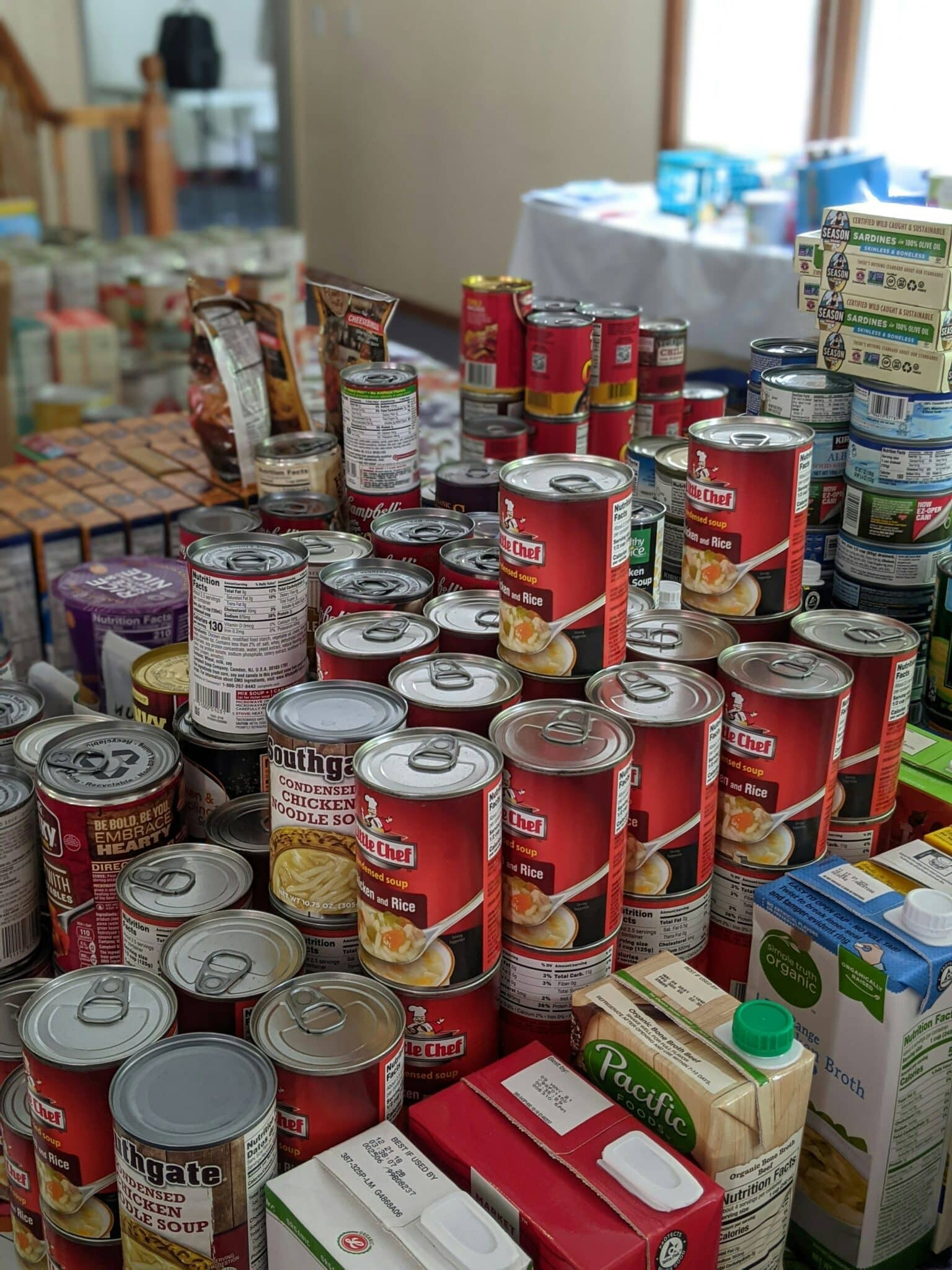
Food banks worldwide face a complex operational challenge: distributing donated food quickly to address severe hunger while ensuring rigorous safety standards. This balancing act intensifies when managing potential recalls, where protocols designed to protect recipients may inadvertently limit availability of desperately needed nourishment.  

Vulnerability at Both Ends  

Recipients of food bank services often belong to high-risk groups, children, elderly individuals, immunocompromised people, and those with chronic health conditions, who are disproportionately affected by foodborne illnesses.  Simultaneously, these populations face heightened nutritional vulnerability. Research indicates 83% of UK food bank users experience ill-health, with higher rates of diabetes and heart disease than the general population in the United States.  This dual vulnerability forces food banks to operate with exceptional caution despite urgent demand.  

Operational Hurdles  

Several factors complicate food safety in hunger-relief networks:  

  • Unpredictable donations: Food banks routinely handle products with unknown storage histories, including items salvaged from grocery surplus or manufacturer overruns, raising potential safety unknowns.   
  • Volunteer turnover: Constantly changing personnel makes consistent food safety training difficult to maintain.   
  • Resource limitations: Many facilities struggle with aging refrigeration systems, though leading organizations now implement 24/7 temperature monitoring and refrigerated transport.   

Table: Key Food Safety Protocols in Food Banking  

ProtocolImplementation Example
Temperature ControlRemote monitoring of coolers; refrigerated trucks maintaining ≤4°C/40°F
Donation ScreeningDiscarding dented, rusted, or bloated cans; removing expired perishables per CFIA/FDA guidelines
Allergen ManagementClear labeling of repackaged items; handling disclosures for major allergens
Recall SystemsReal-time alerts from regulatory agencies; immediate product holds

The Recall Dilemma  

When recalls occur, such as recent Salmonella-contaminated eggs or allergen mislabeling incidents, food banks activate immediate hold procedures.  However, discarding potentially safe but unrecalled food due to precautionary measures creates ethical tension. As one study notes: food parcels provide over 50% of recipients’ dietary intake, making every discarded item consequential.  Some organizations navigate this by adopting “best before” rather than “use by” guidelines for non-perishables, following Food Banks Canada and CFIA frameworks.   

Innovations in Risk Mitigation  

Major networks like Feeding America have implemented multi-pronged safety strategies:  

  1. Third-party audits assessing warehouse compliance with distribution center standards.   
  2. Customized training programs, including ServSafe® certifications tailored for pantry workers.   
  3. Allergen-aware repackaging protocols requiring ingredient transparency.   

Persistent Systemic Challenges  

Despite advancements, gaps remain. Urban pantry studies show inconsistent operating hours and inadequate supply for demand, forcing difficult prioritization choices.  Meanwhile, rising acute hunger, impacting 295 million people globally in 2024, increases pressure on systems already strained by recall-related losses.   

Food banks continue walking this tightrope: enforcing protections that could reduce available food while knowing that unsafe donations help no one. Their evolving protocols reflect this duality, minimizing risk without compromising access to lifesaving sustenance. 

Share. Facebook Twitter Pinterest LinkedIn Tumblr Email
Avatar photo
Kit Redwine

Related Posts

How Foodborne Illness Targets the World’s Most Vulnerable Populations

March 4, 2026

Emerging Foodborne Pathogens Public Health Officials Are Monitoring

February 27, 2026

The Lasting Health, Economic, and Human Toll of Foodborne Disease

February 25, 2026

Navigating the Landscape of Food Poisoning Litigation in California: The Role of Gomez Trial Attorneys and Ron Simon & Associates

February 18, 2026
Add A Comment
Leave A Reply Cancel Reply

Attorney Advertisement
Ron Simon

Subscribe to Updates

Get the latest food safety recall, outbreak, & investigation news.

Latest Posts

Springtime Risks: Unmasking Foodborne Illnesses (Like Salmonella or E. coli) as Temperatures Rise

March 6, 2026

Designing a Kitchen That Supports Better Nutrition

March 4, 2026

How Foodborne Illness Targets the World’s Most Vulnerable Populations

March 4, 2026

Food Poisoning News is a website devoted to providing you with the most current information on food safety, dangerous pathogens, food poisoning outbreaks and outbreak prevention, and food poisoning litigation.

We're social. Connect with us:

Facebook X (Twitter) YouTube
Latest Posts

Springtime Risks: Unmasking Foodborne Illnesses (Like Salmonella or E. coli) as Temperatures Rise

March 6, 2026

Designing a Kitchen That Supports Better Nutrition

March 4, 2026

How Foodborne Illness Targets the World’s Most Vulnerable Populations

March 4, 2026
Get Informed

Subscribe to Updates

Get the latest food safety recall, outbreak, & investigation news.

Facebook X (Twitter) YouTube
  • Home
© 2026 Food Poisoning News. Sponsored by Ron Simon & Associates a Houston, TX law firm. Powered by ArmaVita.
Our website and content are for informational purposes only. Food Poisoning News does not provide legal advice, medical advice, diagnosis, or treatment.

Type above and press Enter to search. Press Esc to cancel.