

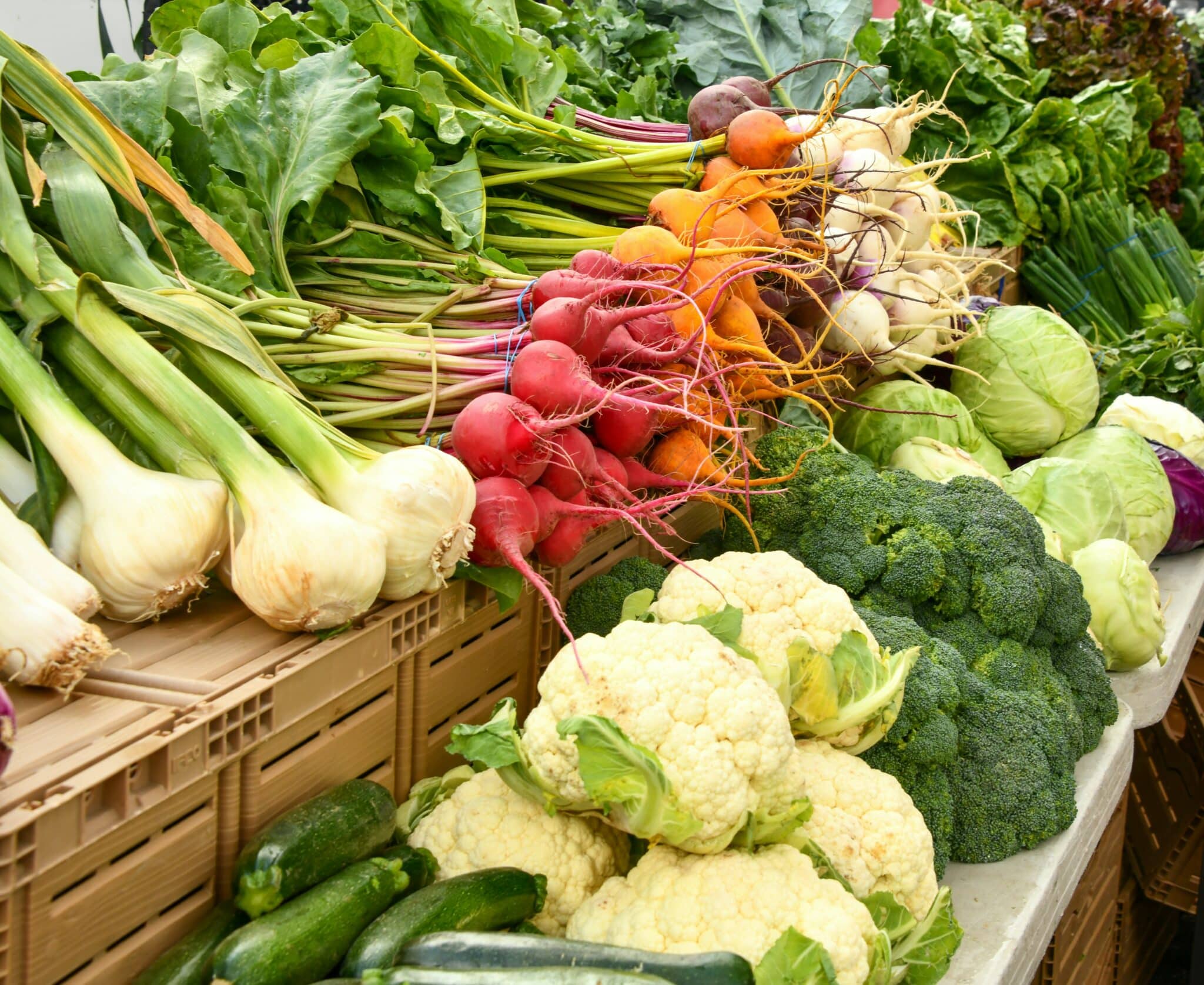

Preventing Foodborne Illness When Growing Your Own Produce
Growing fruits and vegetables at home has long been associated with self-sufficiency, sustainability, and improved nutrition. The rise of backyard gardens, raised-bed cultivation, and urban container farming has made fresh produce more accessible to households across income levels. However, the perception that produce grown at home is naturally safer than store-bought produce often overlooks a critical reality: pathogens do not distinguish between commercial and domestic growing environments.
Foodborne pathogens such as Salmonella enterica, Escherichia coli O157:H7, Listeria monocytogenes, and Campylobacter can contaminate produce through irrigation water, soil amendments, animal intrusion, and human handling. The Food and Drug Administration emphasizes that contamination can occur during growing, harvesting, or handling, and prevention is more effective than corrective action after contamination has occurred.
As fresh produce becomes more frequently implicated in foodborne outbreaks, understanding safe cultivation practices at the household level has become increasingly important.
The Growing Public Health Significance of Produce-Linked Illness
Historically, foodborne illness was more commonly associated with meat, dairy, and improperly preserved foods. In recent years, however, produce has emerged as a major source of outbreaks. The FDA’s produce safety framework recognizes fruits and vegetables as a high-priority category because many are consumed raw, without a cooking step that would destroy pathogens.
Leafy greens, tomatoes, cucumbers, melons, herbs, and sprouts are among the commodities most often associated with outbreaks. Public health investigators have increasingly linked illness to contamination introduced before harvest rather than in the kitchen.
For home gardeners, this means food safety begins outdoors, in the garden itself.
Microbial Hazards in Home Gardens
Several microorganisms are of particular concern in homegrown produce:
Salmonella
A common cause of foodborne illness, Salmonella can survive in soil, manure, and contaminated irrigation water. It can persist on plant surfaces and internal tissues.
Escherichia coli O157:H7
This strain can cause severe kidney complications and is often introduced through untreated manure or contaminated water.
Listeria monocytogenes
Unlike many pathogens, Listeria can survive cold storage, making it a concern even after harvest.
Emerging Pathogens
Public health officials are monitoring newer concerns including:
- antimicrobial-resistant Salmonella
- non-O157 shiga toxin–producing E. coli
- Cyclospora cayetanensis
- viral contamination from norovirus in produce handling environments
Federal surveillance systems continue adapting to these changing microbial threats.
Soil Safety and Compost Management
Soil serves as both a growing medium and a potential contamination source. The use of manure and compost is particularly important in home gardens.
The FDA identifies biological soil amendments as a major risk factor for produce contamination because pathogens can survive if organic material is not fully composted.
Safe Soil Practices
To reduce risk:
- Use only properly composted manure
- Avoid applying raw manure during the growing season
- Separate edible plant parts from soil contact
- Rotate crops to reduce pathogen persistence
- Prevent runoff from neighboring animal areas
Improper composting can create a false sense of safety while preserving dangerous microorganisms.
Water as a Primary Contamination Route
Water is one of the most significant pathways for produce contamination. The quality of irrigation water directly affects food safety because pathogens can adhere to leaves, fruit skins, and root systems.
The FDA notes that water contacting edible produce can transfer harmful bacteria if the source is contaminated.
Higher-Risk Water Sources
- Rain barrels contaminated by bird droppings
- Untested wells
- Surface water from ponds or streams
- Hoses stored in unsanitary conditions
Best Practices
Home gardeners should:
- Test well water annually
- Use potable water for rinsing harvested produce
- Water soil rather than leaves when possible
- Avoid overhead irrigation close to harvest
- Clean watering cans and irrigation lines regularly
Water quality is often overlooked in home gardens, despite being central to prevention.
Wildlife and Domestic Animal Intrusion
Animals can introduce pathogens into gardens through feces, saliva, or contaminated feet.
Common sources include:
- Birds
- Rodents
- Deer
- Reptiles
- Dogs and cats
- Backyard chickens
While chickens may contribute eggs and fertilizer, they can also carry Salmonella without visible signs of illness.
Prevention Strategies
- Install fencing around growing areas
- Keep pets out of vegetable beds
- Remove fallen produce promptly
- Inspect for droppings before harvesting
- Wash hands after handling animals
The overlap between urban agriculture and domestic animals creates an emerging safety challenge.
Human Hygiene and Cross-Contamination
Even in a carefully maintained garden, human handling can introduce contamination.
The Food Safety and Inspection Service identifies hand hygiene as one of the most effective methods for preventing foodborne illness.
Critical Hygiene Measures
Gardeners should:
- Wash hands before and after harvesting
- Use clean gloves when needed
- Sanitize knives and shears
- Use clean baskets or containers
- Avoid harvesting when ill
Children participating in gardening activities should also be taught safe produce handling.
Safe Harvesting Techniques
The harvest stage can significantly influence microbial contamination.
Recommended Harvest Practices
- Harvest only dry produce when possible
- Remove damaged fruits immediately
- Keep harvested produce shaded
- Avoid placing produce directly on soil
- Use sanitized tools and containers
The FDA recommends minimizing bruising because damaged produce is more vulnerable to bacterial growth.
Harvest timing can also matter; produce collected during cooler parts of the day may retain quality longer.
Washing and Post-Harvest Handling
Washing produce is important but often misunderstood. Washing reduces microbial load but does not sterilize produce.
The FDA recommends rinsing produce under running water without soap or bleach.
Proper Washing Methods
- Rinse under cool running water
- Scrub firm produce with a clean brush
- Remove outer leaves of leafy greens
- Dry with clean towels
- Refrigerate promptly
Produce with rough surfaces, such as cantaloupes, deserves extra attention because pathogens on the rind can transfer inward during cutting.
Storage Risks in Home Produce
Improper storage can allow pathogens to multiply even after safe harvesting.
Key Storage Principles
- Refrigerate perishable produce below 40°F
- Separate produce from raw meat
- Discard damaged items quickly
- Avoid overcrowding refrigerators
- Monitor humidity for leafy vegetables
Because some pathogens such as Listeria monocytogenes can grow at refrigeration temperatures, refrigeration slows but does not eliminate risk.
The Unique Risk of Sprouts
Homegrown sprouts deserve special mention because they are among the highest-risk produce items.
Warm, humid sprouting conditions can amplify tiny numbers of bacteria into dangerous concentrations. The FDA warns that even homegrown sprouts can harbor Salmonella, E. coli, or Listeria.
For higher-risk individuals, pregnant women, older adults, and immunocompromised persons, raw sprouts are often discouraged.
Emerging Pathogens Public Health Officials Are Monitoring
Food safety recommendations are evolving because pathogen ecology is changing.
Public health officials are increasingly monitoring:
Antimicrobial-Resistant Salmonella: Some strains show reduced susceptibility to common treatments.
Non-O157 STEC: Additional shiga toxin–producing E. coli strains are causing more produce-linked outbreaks.
Cyclospora cayetanensis: This parasite has been associated with imported herbs and leafy greens.
Viral Contamination: Norovirus transmission via produce handlers remains a growing concern.
Climate-Driven Pathogen Spread: Changing rainfall patterns and warming temperatures may increase contamination risks in soil and water.
Improved surveillance systems are helping detect these threats earlier, though recent reductions in some monitoring programs have raised concern among food safety experts.
A Preventive Systems Approach for Home Gardeners
The most effective strategy is to treat home gardening as a small-scale food production system rather than a casual hobby.
A preventive system includes:
- Risk assessment before planting
- Safe sourcing of seeds and soil
- Routine sanitation
- Water testing
- Wildlife exclusion
- Safe harvest procedures
- Immediate refrigeration
This approach mirrors the preventive philosophy embedded in the FDA Produce Safety Rule, even though most home gardens are exempt from formal regulation.
Analysis & Next Steps
What’s New:
Fresh produce is accounting for a larger share of foodborne illness investigations, while emerging pathogens such as antimicrobial-resistant Salmonella, non-O157 STEC, and Cyclospora are receiving greater attention from public health officials.
Why It Matters:
Home gardeners may unknowingly recreate contamination pathways seen in commercial agriculture, making prevention at the household level more important than previously recognized.
Who’s Affected:
Backyard gardeners, urban farmers, families with children, older adults, and immunocompromised individuals face the greatest consequences from contaminated homegrown produce.
What to do now:
- Test irrigation water regularly
- Use only fully composted manure
- Exclude pets and wildlife from gardens
- Wash produce correctly
- Refrigerate harvested produce quickly
- Stay informed about emerging foodborne pathogens and evolving guidance from federal health agencies
Conclusion
Growing produce at home offers substantial nutritional, environmental, and psychological benefits, but it does not eliminate the possibility of foodborne illness. In some cases, home gardens can introduce unique risks because safety protocols are informal or inconsistent.
Preventing contamination requires understanding that pathogens can enter the food chain through water, soil, animals, equipment, and human contact. The safest homegrown produce comes not simply from organic practices or local cultivation, but from deliberate, evidence-based food safety measures integrated into every stage of growing and handling.
As produce-related outbreaks continue to rise, home gardeners play an increasingly important role in food safety at the household level.
