

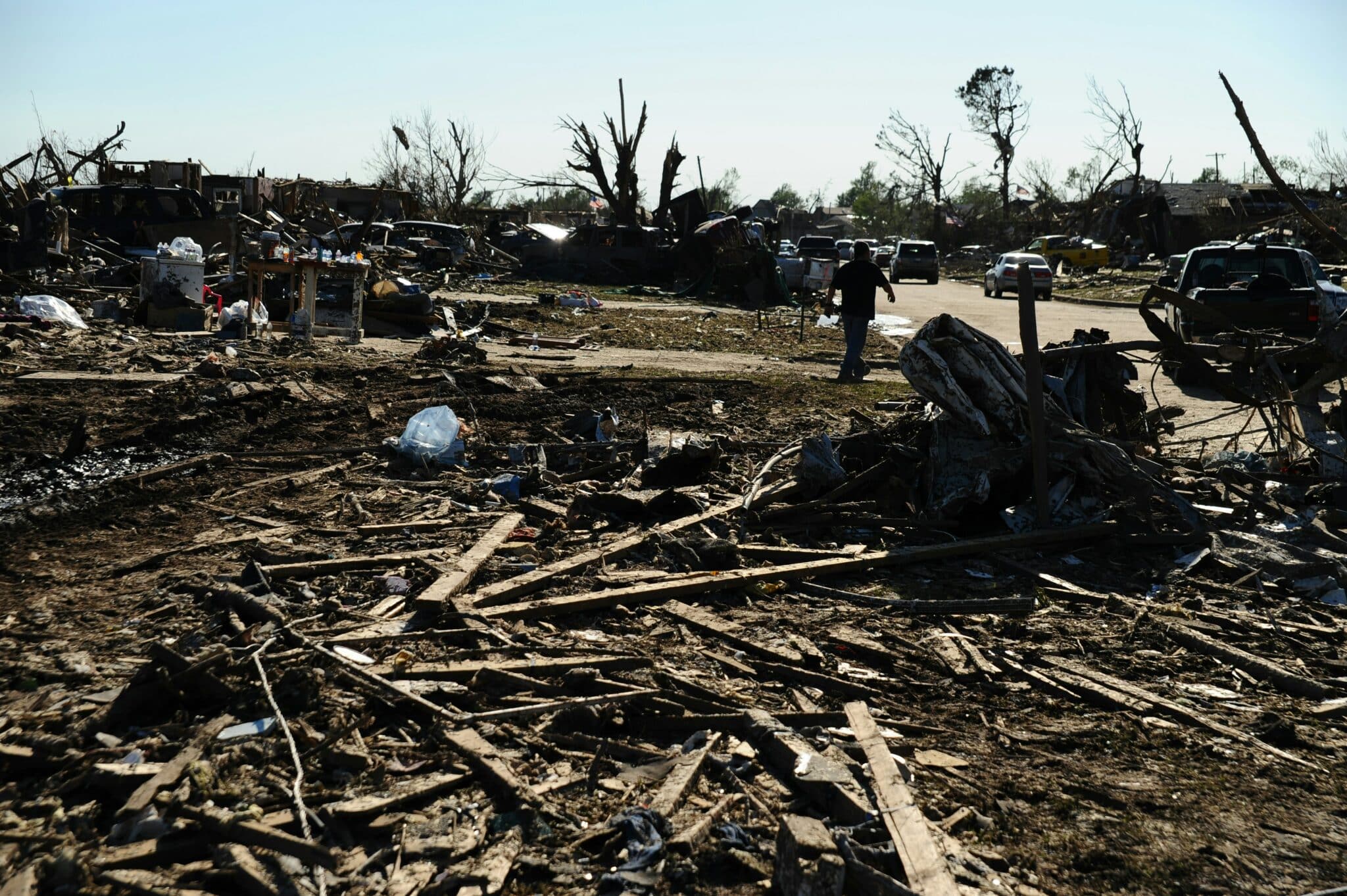

In the aftermath of conflict, natural disasters, or humanitarian crises, refugee camps and emergency relief zones become essential lifelines for millions of displaced individuals. These environments, though critical for survival, often operate under immense logistical pressure. Amid the urgent need for food, shelter, and medical care, food safety frequently becomes an overlooked issue, with potentially deadly consequences. From contamination during distribution to inadequate storage facilities, ensuring safe and nutritious food in these challenging conditions is both vital and complex.
The Unique Challenges of Emergency Settings
Refugee camps and disaster zones are rarely equipped with the infrastructure necessary to maintain the strict food safety standards expected in stable environments. In such settings, food is often stored in temporary facilities, like tents or makeshift shelters, that lack proper refrigeration or pest control. Water sources may be limited or contaminated, increasing the risk of foodborne illness due to improper hygiene during preparation or washing.
Moreover, food distribution is typically conducted by multiple agencies and local partners, each operating under tight timelines and constrained resources. This multi-layered system can create vulnerabilities in the supply chain, including the risk of cross-contamination, spoilage, or mislabeling of allergens and expiration dates.
Common Foodborne Risks in Humanitarian Settings
The risk of foodborne illness in refugee camps is significantly higher than in non-crisis environments. Factors contributing to outbreaks include:
- Lack of clean water for cooking and sanitation
- Improper storage temperatures, especially for perishable items
- Cross-contamination between raw and cooked foods
- Inadequate food handling training for staff and volunteers
- Limited oversight or regulation in ad hoc kitchens or distribution centers
Diseases such as salmonella, E. coli, hepatitis A, and cholera can quickly spread in high-density camps, especially when coupled with poor sanitation and undernutrition. These illnesses are particularly dangerous for children, the elderly, and those with weakened immune systems.
The Role of Aid Organizations and Government Agencies
International agencies such as the World Food Programme (WFP) and UNHCR (United Nations High Commissioner for Refugees), along with non-governmental organizations (NGOs), play a pivotal role in delivering food to camps. However, food safety oversight often varies depending on the crisis location, political context, and available infrastructure.
The WFP, for example, has established food quality and safety guidelines that cover everything from supplier certification to warehouse monitoring and post-distribution checks. Yet implementation on the ground can be uneven, particularly in rapidly unfolding emergencies where logistics and security often take priority over safety checks.
To improve outcomes, organizations are increasingly integrating Hazard Analysis and Critical Control Points (HACCP) systems and deploying mobile testing labs that can monitor food quality in the field. These innovations help detect contamination early and prevent large-scale outbreaks.
Local Involvement and Cultural Considerations
Effective food safety also requires understanding and integrating local food customs and community participation. In many camps, displaced individuals may prepare food themselves using rations or local market goods. If they lack basic tools, like clean knives, soap, or fuel for cooking, they may resort to unsafe practices, such as eating undercooked food or storing leftovers in unsanitary conditions.
Training community members to lead peer-to-peer hygiene education efforts can be a low-cost, high-impact solution. These leaders can teach neighbors how to boil water, wash hands properly, and separate raw from cooked foods, all of which can dramatically reduce illness.
Technological and Policy Innovations
Emerging technologies and better data collection methods are helping humanitarian groups track and manage food safety more effectively. For example:
- Blockchain systems can trace food donations from origin to distribution, flagging anomalies.
- Drones and satellite mapping help monitor environmental conditions that affect food storage.
- Digital temperature loggers in mobile fridges can ensure cold-chain compliance during transport.
Policy-level improvements are also underway. More donor countries and agencies now require food safety protocols as part of funding agreements. This shift encourages relief providers to integrate safety into their core operations rather than treat it as an afterthought.
The Human Cost of Inaction
When food safety is compromised in crisis zones, the toll is steep. Infections that would be manageable in a well-resourced setting can turn fatal when combined with malnutrition, dehydration, and lack of medical care. Outbreaks can also erode trust between displaced communities and aid providers, hindering future cooperation and program success.
Children in particular are vulnerable. Diarrheal diseases caused by unsafe food are a leading cause of death in children under five in refugee settings. Beyond mortality, repeated infections stunt physical and cognitive development, perpetuating cycles of vulnerability.
A Path Forward
Food safety in refugee camps and disaster relief zones must be treated not as a luxury, but as a non-negotiable pillar of humanitarian aid. While logistical constraints and urgency will always complicate implementation, there are practical, scalable solutions, from mobile hygiene units to local training programs, that can make a significant difference.
The international community, donors, and implementing organizations must continue to prioritize food safety as part of their emergency response playbook. In doing so, they not only prevent illness but also uphold the dignity, trust, and resilience of the people they serve.
Final Note
Food safety may not dominate headlines in times of crisis, but its absence can quietly amplify suffering and death. In refugee camps and disaster zones, where people are already at their most vulnerable, safe food isn’t just a health issue, it’s a human right. Addressing it head-on is one of the most critical steps we can take to turn emergency aid into true humanitarian relief.
