
Close Menu
  • Food Poisoning
    • Symptoms
    • Prevention
    • Treatment
    • Causes
  • Pathogens
    • Botulism
    • Campylobacter
    • E. coli
    • Cyclospora
    • Norovirus
    • Hepatitis A
    • Salmonella
    • Listeria
    • Shigella
  • Food Safety
    • How to wash your hands
    • Food Safty And The Holidays
  • Legal
    • Can I sue for Food Poisoning?
    • E. coli Lawyer
      • E. coli Lawsuit
    • Salmonella Lawyer
      • Salmonella Lawsuit
    • Botulism Lawyer
    • Cyclospora Lawyer
    • Shigella Lawyer
    • Hepatitis A Lawyer
  • Outbreaks and Recalls
  • Connect With A Lawyer
What's Hot

Peace by Chocolate Recalls Pistachio-Containing Chocolates Amid Salmonella Contamination Concern

January 10, 2026

Frozen Tater Tots Recalled in 26 States Due to Possible Plastic Contamination

January 10, 2026

Cheese Recall Escalated to Highest Risk Category as Listeria Contamination Spreads Across U.S. Markets

January 10, 2026
Facebook X (Twitter) Instagram
Facebook X (Twitter) YouTube
  • About
  • Contact Us
Food Poisoning NewsFood Poisoning News
  • Home
  • Food Poisoning
    • What is Food Poisoning?
      • Symptoms
      • Causes
      • Prevention
      • Treatment
      • Statistics
    • Pathogens
      • Botulism
      • Campylobacter
      • E. coli
      • Hepatitis A
      • Shigella
      • Norovirus
      • Salmonella
      • Cyclospora
      • Listeria
  • Food Safety
    • How to wash your hands
    • Food Safty And The Holidays
  • Legal
    • Salmonella Lawyer
      • Salmonella Lawsuit
    • E. coli Lawyer
      • E. coli Lawsuit
    • Cyclospora Lawyer
    • Shigella Lawyer
    • Hepatitis A Lawyer
    • Botulism Lawyer
  • Outbreaks and Recalls
Food Poisoning NewsFood Poisoning News
Home»Food Recalls»Bornstein Seafoods Recalls Cooked & Peeled Shrimp Due to Listeria
Bornstein Seafoods Recalls Cooked & Peeled Shrimp Due to Listeria
Food Recalls

Bornstein Seafoods Recalls Cooked & Peeled Shrimp Due to Listeria

Alicia MaroneyBy Alicia MaroneyJune 24, 2025No Comments3 Mins Read
Share
Facebook Twitter LinkedIn Pinterest Email Reddit

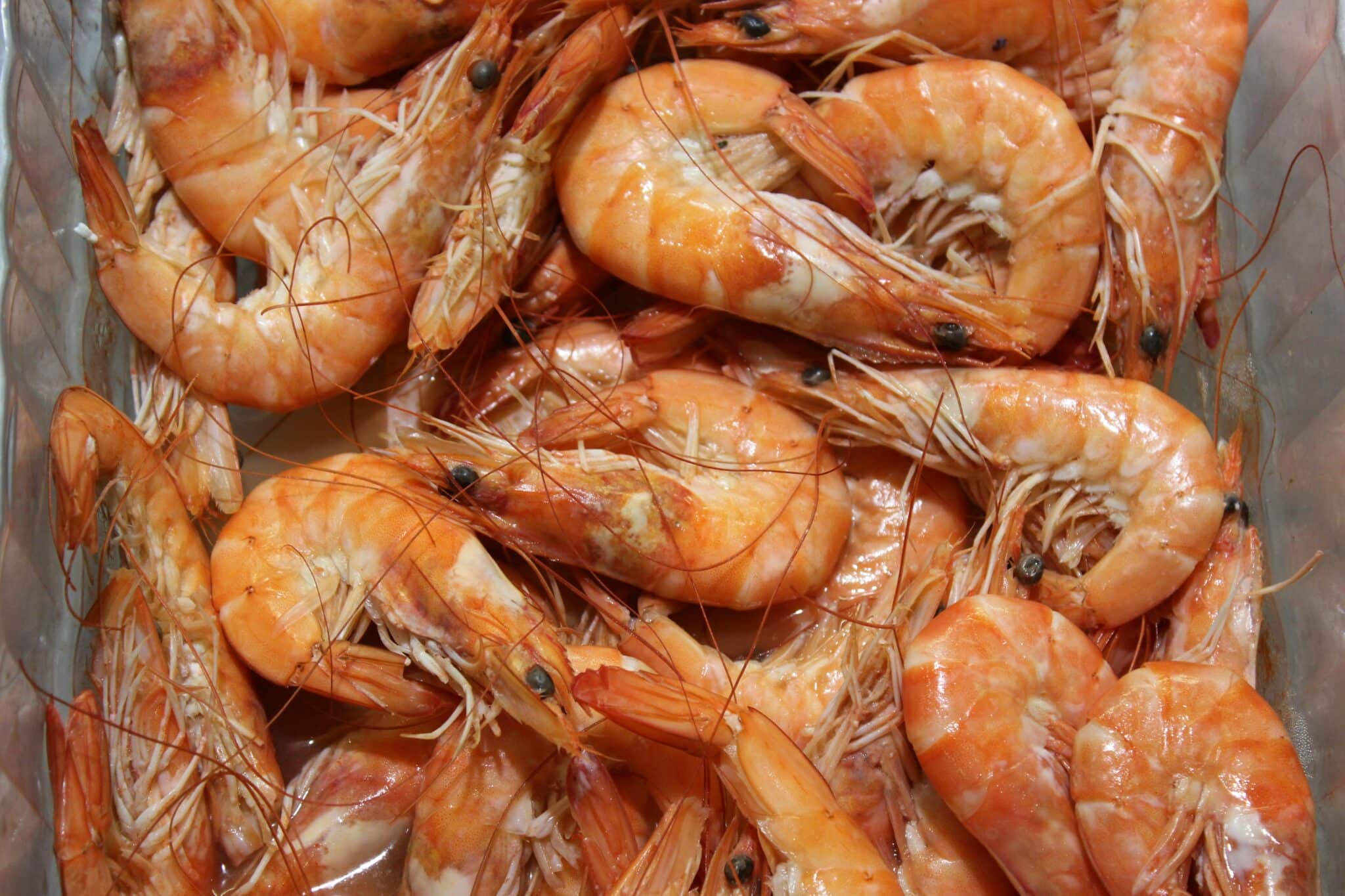
In June 2025, Bornstein Seafoods Inc., a seafood processor based in Bellingham, Washington, initiated a substantial voluntary recall of its Cooked & Peeled Ready‑To‑Eat Coldwater Shrimp Meat. This decisive move follows routine sampling that detected Listeria monocytogenes, a pathogen capable of causing serious and sometimes fatal foodborne illness, particularly in vulnerable groups.

What Was Recalled?

The recall impacts approximately 44,550 pounds of frozen, ready-to-eat shrimp, distributed in 1-pound and 5-pound plastic bags under Bornstein Seafoods branding. Lot codes include UPCs 614133200246 and 614133200239, with lot numbers such as A19008, A19009, P11710, among others. These products were primarily distributed to retailers, restaurants, and distributors across California, Oregon, Washington, and British Columbia, with the potential for wider national retail distribution.

What Prompted the Recall?

Bornstein identified the Listeria risk through its internal routine bacterial testing, where an in-process sample tested positive for L. monocytogenes. While no illnesses have been connected to the recall, the company immediately halted distribution and began an in-depth trace-back and root-cause investigation.

Why Listeria Is So Dangerous

Unlike many bacteria, Listeria can thrive at refrigerator temperatures, making it a stealthy contaminant in ready-to-eat foods. While healthy individuals may experience mild symptoms, such as fever, nausea, and diarrhea, high-risk groups face severe complications:

  • Pregnant individuals: Risk of miscarriage, stillbirth, or severe neonatal infection
  • Older adults and immunocompromised people: Potential for meningitis and bloodstream infections.

Symptoms often begin within a few days to weeks after consumption, and early detection is critical.

What You Should Do

If you’ve purchased Bornstein shrimp:

  1. Check your freezer immediately—look for the brand, UPCs, and lot codes listed earlier.
  2. Do not eat it—discard it in a sealed bag or return it to the place of purchase for a full refund.
  3. Clean any surfaces the shrimp touched: wash containers, cutting boards, and fridge sections using hot water and dish soap, followed by a food-safe disinfectant.
  4. Watch for symptoms: Anyone who consumed the shrimp, especially high-risk individuals, should monitor for signs like fever, muscle aches, stiffness, nausea, or diarrhea and seek medical attention if symptoms appear.

Broader Implications

This recall highlights ongoing vulnerabilities tied to ready-to-eat seafood products, with Listeria posing a particular challenge due to its ability to withstand refrigerated environments. It underscores the need for:

  • Enhanced sanitation and testing in seafood processing facilities
  • Strict Cold-Chain controls during distribution and retail
  • Prompt consumer action when recalls are announced

Bornstein Seafoods is actively working with the FDA as it investigates potential contamination points, whether from ingredient sourcing, processing equipment, or environmental exposure.

Staying Vigilant

To protect against Listeria and other foodborne pathogens:

  • Prioritize refrigerated storage for all ready-to-eat items.
  • Pay close attention to product recalls and food safety alerts—especially for frozen or refrigerated seafood.
  • Thoroughly clean storage and preparation areas after disposing of recalled products.
  • If you’re pregnant, elderly, or immunocompromised, double-check product sources before consumption.

Final Takeaway

The Bornstein Seafoods shrimp recall serves as a critical reminder that even seemingly safe, fully cooked frozen seafood can shield harmful bacteria. While no illnesses have been linked to this event, proactive measures, like discarding contaminated products and properly sanitizing contact surfaces, remain essential in preventing illness. And for consumers in high-risk categories, erring on the side of caution could save lives.

Share. Facebook Twitter Pinterest LinkedIn Tumblr Email
Avatar photo
Alicia Maroney

Related Posts

Cheese Recall Escalated to Highest Risk Category as Listeria Contamination Spreads Across U.S. Markets

January 10, 2026

Tamales Recalled Due to Potential Listeria Contamination

January 8, 2026

What is the Normal Lifecycle, Onset, Duration, and Recovery from Cyclospora?

January 7, 2026

Winter Food Recalls: Patterns, Drivers, and What They Mean for Consumers

January 2, 2026
Add A Comment
Leave A Reply Cancel Reply

Attorney Advertisement
Ron Simon

Subscribe to Updates

Get the latest food safety recall, outbreak, & investigation news.

Latest Posts

Peace by Chocolate Recalls Pistachio-Containing Chocolates Amid Salmonella Contamination Concern

January 10, 2026

Frozen Tater Tots Recalled in 26 States Due to Possible Plastic Contamination

January 10, 2026

Cheese Recall Escalated to Highest Risk Category as Listeria Contamination Spreads Across U.S. Markets

January 10, 2026

Food Poisoning News is a website devoted to providing you with the most current information on food safety, dangerous pathogens, food poisoning outbreaks and outbreak prevention, and food poisoning litigation.

We're social. Connect with us:

Facebook X (Twitter) YouTube
Latest Posts

Peace by Chocolate Recalls Pistachio-Containing Chocolates Amid Salmonella Contamination Concern

January 10, 2026

Frozen Tater Tots Recalled in 26 States Due to Possible Plastic Contamination

January 10, 2026

Cheese Recall Escalated to Highest Risk Category as Listeria Contamination Spreads Across U.S. Markets

January 10, 2026
Get Informed

Subscribe to Updates

Get the latest food safety recall, outbreak, & investigation news.

Facebook X (Twitter) YouTube
  • Home
© 2026 Food Poisoning News. Sponsored by Ron Simon & Associates a Houston, TX law firm. Powered by ArmaVita.
Our website and content are for informational purposes only. Food Poisoning News does not provide legal advice, medical advice, diagnosis, or treatment.

Type above and press Enter to search. Press Esc to cancel.