

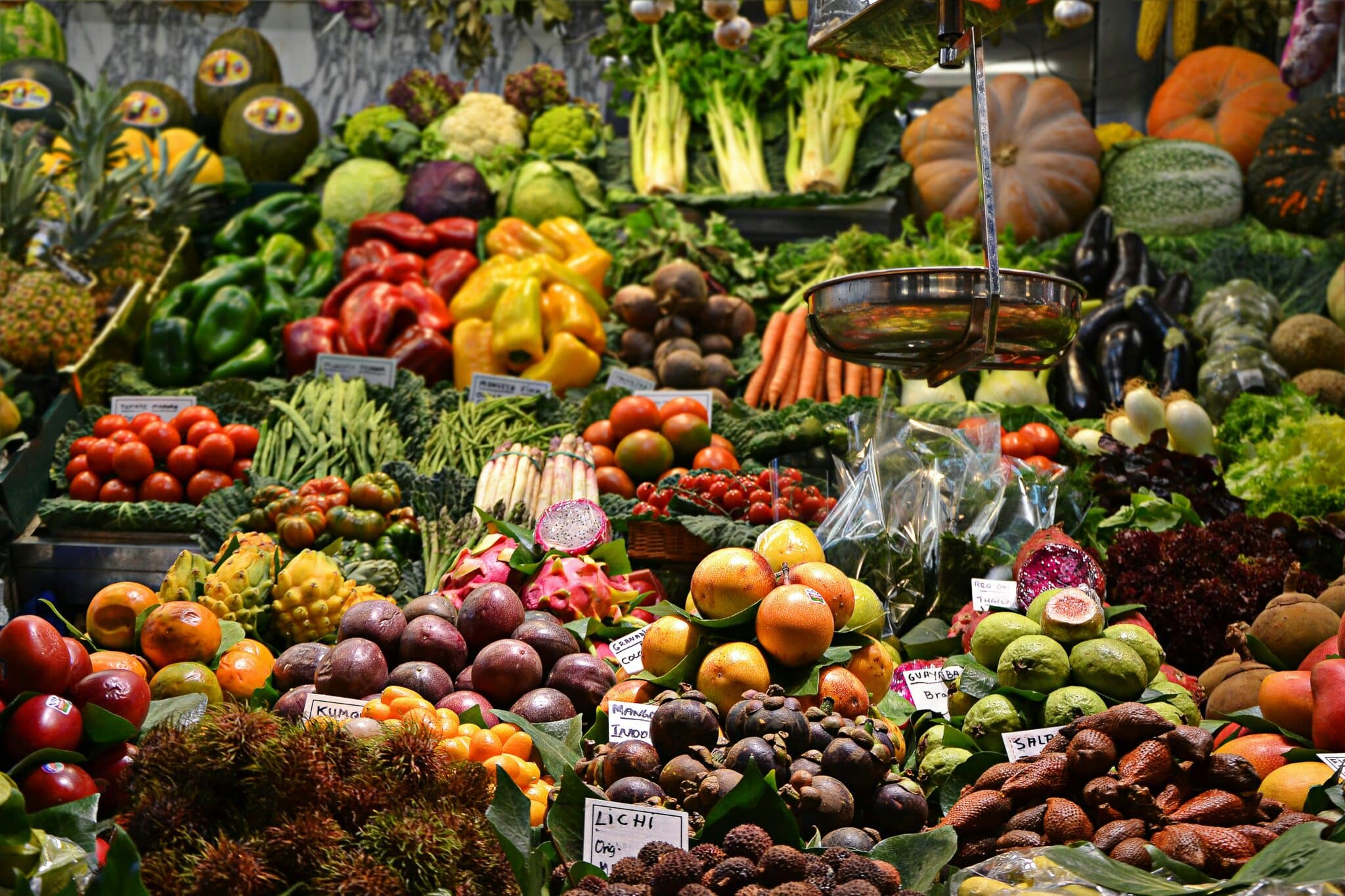

Home gardening is not only a fulfilling hobby but also a powerful way to enhance your diet with fresh, nutrient-dense produce. With the right approach, you can grow fruits and vegetables that rival or even surpass the nutritional quality of store-bought varieties. But maximizing the nutrient content of your homegrown foods requires more than just planting seeds. It involves thoughtful soil preparation, plant selection, and harvesting strategies.
Start with Healthy Soil
The foundation of nutrient-rich produce lies in the health of your soil. Plants absorb minerals and nutrients directly from the ground, so depleted or imbalanced soil can result in nutrient-poor fruits and vegetables.
To boost soil fertility:
- Test your soil using an inexpensive home kit or through a local agricultural extension service. This will tell you which nutrients your soil lacks.
- Add organic matter like compost, aged manure, or worm castings. These not only feed the plants but improve soil structure, water retention, and microbial activity.
- Use mulch around your plants to retain moisture, reduce weeds, and slowly return nutrients to the soil as it breaks down.
Healthy soil teeming with beneficial bacteria and fungi can help your plants better absorb the nutrients they need to thrive.
Choose the Right Varieties
Not all fruits and vegetables are created equal. Some varieties naturally contain higher levels of nutrients than others. For example:
- Kale, spinach, and chard tend to be richer in iron and calcium than iceberg lettuce.
- Orange-fleshed sweet potatoes are packed with beta-carotene.
- Heirloom tomatoes often have more antioxidants and flavor than some commercial hybrids.
Research and select cultivars known for their nutritional benefits. Seed catalogs and local gardening communities can be excellent sources of information on nutrient-dense varieties that grow well in your region.
Time Your Harvest
When you pick your fruits and vegetables can significantly affect their nutrient content. In general, the closer a crop is harvested to peak ripeness, the more nutrients it will contain. For instance:
- Tomatoes develop more lycopene and vitamin C when left to ripen on the vine.
- Broccoli and spinach are best harvested early in the morning when their sugar and vitamin content is highest.
- Carrots and root vegetables tend to get sweeter and more nutrient-dense with a bit of extra time in the soil.
Avoid harvesting too early or letting crops overripen, as this can reduce both their nutritional value and flavor.
Use Smart Watering Techniques
Watering might seem straightforward, but how and when you do it can impact plant health and nutrient quality. Overwatering can wash nutrients from the soil, while underwatering stresses plants and inhibits nutrient uptake.
Best practices include:
- Watering in the morning, which reduces evaporation and gives plants time to dry before nightfall, minimizing fungal diseases.
- Deep, infrequent watering, which encourages deep root growth and nutrient absorption.
- Drip irrigation systems or soaker hoses, which deliver moisture directly to the root zone and reduce waste.
Maintaining consistent moisture without waterlogging helps plants grow steadily and develop nutrient-rich produce.
Feed Your Plants Wisely
Even with good soil, some plants may benefit from targeted feeding. Use natural fertilizers like:
- Compost tea, which provides a gentle boost of nutrients and beneficial microbes.
- Seaweed or fish emulsion, rich in trace minerals.
- Bone meal or rock phosphate for phosphorus, essential for flowering and fruiting.
Avoid over-fertilizing, especially with synthetic nitrogen products, which can lead to lush leafy growth but lower nutrient density in fruits and vegetables.
Rotate Crops and Companion Plant
Crop rotation helps prevent nutrient depletion and reduces disease and pest issues. By changing plant families each season (e.g., follow tomatoes with beans), you allow the soil to recover and maintain balance.
Companion planting can also improve nutrient availability. For example:
- Beans fix nitrogen in the soil, benefiting nearby leafy greens.
- Basil planted with tomatoes may improve flavor and deter pests.
Diverse planting strategies lead to healthier ecosystems and more nutritious harvests.
Keep It Organic
Avoiding synthetic pesticides and herbicides not only protects your health but may also result in more nutritious produce. Studies suggest that organically grown crops often have higher antioxidant levels and fewer chemical residues.
Encourage natural pest control with:
- Beneficial insects like ladybugs and lacewings.
- Physical barriers such as row covers.
- Homemade sprays made from garlic, neem, or soap.
Healthy, unstressed plants are better at producing and storing nutrients.
Final Note
Growing nutrient-filled fruits and vegetables at home is a rewarding way to enhance your meals and boost your health. By building rich soil, selecting nutrient-dense varieties, practicing mindful watering, and harvesting at the right time, you can ensure your garden yields produce that is as nourishing as it is delicious. Whether you’re working with a backyard plot or a few containers on a balcony, these tips can help you cultivate a garden that feeds both your body and your soul.
