

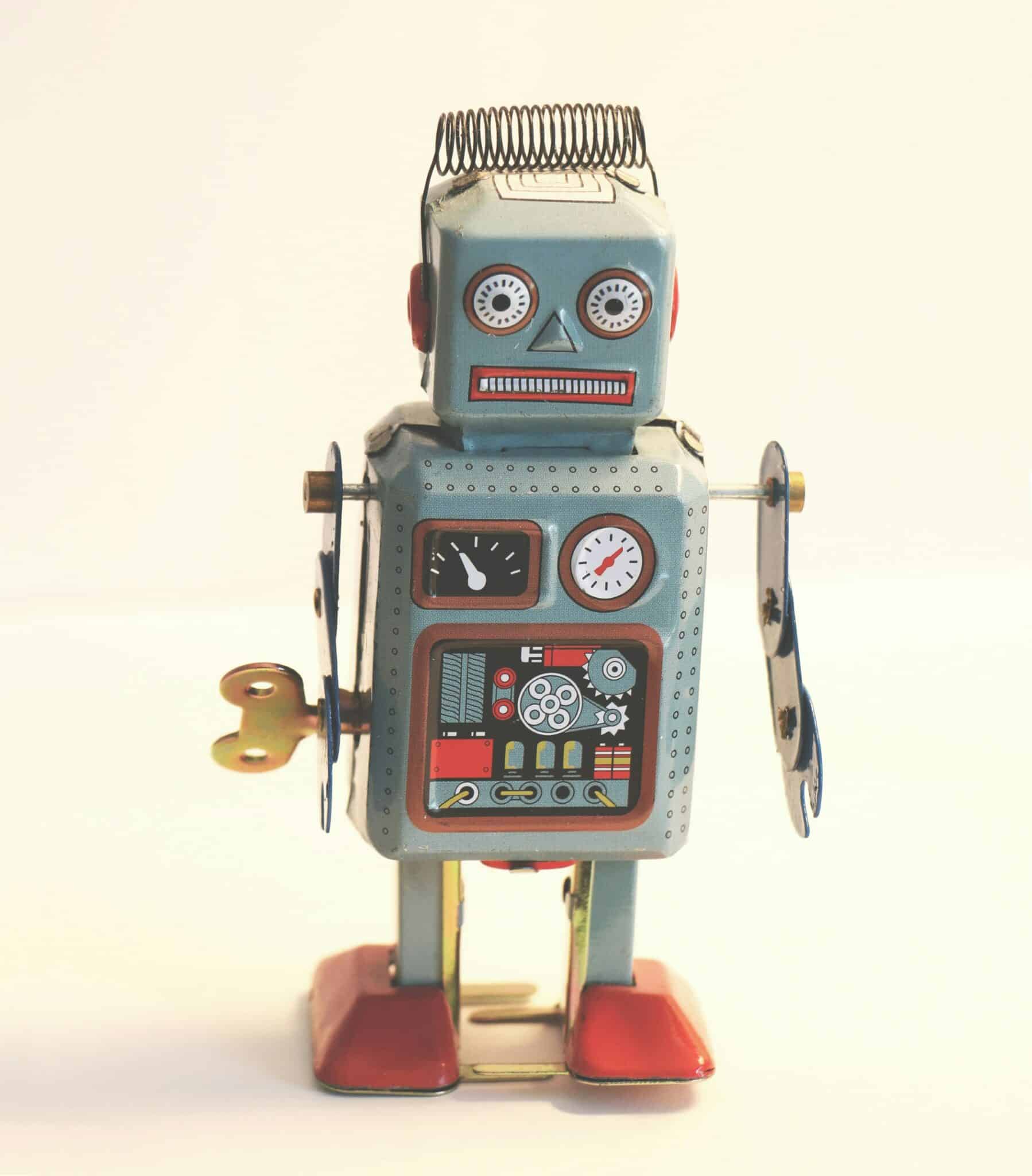

In the ever-evolving world of food production, the use of robots in food processing has surged in recent years. From slicing vegetables to packaging meat, robots are now performing tasks once done solely by humans. These machines promise speed, consistency, and hygiene, but are they actually safer than human hands when it comes to preventing foodborne illness?
Rise of the Machines in Food Production
The use of automation in food processing isn’t new, but recent advancements in robotics, sensors, and artificial intelligence (AI) have made it possible for robots to handle delicate tasks once thought to require the human touch. Today’s robots are found in:
- Meat and poultry processing plants
- Produce sorting and packing lines
- Dairy production facilities
- Ready-to-eat meal assembly
- Food packaging and labeling operations
These machines are designed for precision and speed, but more importantly, they don’t sneeze, touch their face, or forget to wash their hands.
The Food Safety Advantages of Robots
1. Consistent Hygiene
Unlike human workers, robots don’t carry germs, get sick, or suffer lapses in hygiene. They don’t need bathroom breaks or snacks, and they don’t show up to work while coughing through the flu.
Why it matters: Human error is one of the biggest causes of food contamination. Cross-contamination from dirty hands, gloves, or clothing can spread pathogens like Listeria, Salmonella, and E. coli. Robots, when properly sanitized and maintained, drastically reduce this risk.
2. Precision and Accuracy
Robots follow pre-programmed instructions with exact movements, reducing the chance of product mishandling. This is especially important in high-risk environments like raw meat or seafood processing, where temperature, timing, and cleanliness are critical.
Why it matters: A robot slicing chicken breast will make the same cut every time, no accidental contact with non-sterile surfaces, no drops on the floor, and no guesswork on portion size.
3. Reduced Human Contact
By minimizing the number of people who touch food, robots help reduce the points of potential contamination. This is especially beneficial in ready-to-eat or minimally processed products that don’t go through additional cooking.
Why it matters: In environments like salad packaging or sushi production, limiting contact is key to preventing outbreaks.
4. Real-Time Monitoring and Data
Smart robots can be equipped with sensors and connected to cloud-based systems that monitor temperature, humidity, and sanitation levels in real time. If a machine detects a deviation from safety standards, it can alert supervisors or even stop the line.
Why it matters: This kind of proactive monitoring can catch issues before contaminated products leave the facility.
Risks and Limitations: Robots Aren’t Perfect
While robots offer numerous benefits, they’re not without risks or downsides.
1. Mechanical Failure
A malfunctioning robot can pose serious food safety risks. If a blade dulls, a component breaks, or a temperature sensor fails, it could result in improperly processed food.
Solution: Regular maintenance, rigorous safety checks, and human oversight are essential to keep robots functioning safely.
2. Cleaning and Sanitization
Robots must be cleaned and sanitized just like any food-contact surface. If maintenance crews fail to properly clean robotic components, they can become sources of contamination just like any other piece of equipment.
Solution: Thorough training for cleaning staff and adherence to sanitation protocols are non-negotiable.
3. Cost and Accessibility
High-end food-grade robotics systems are expensive and often out of reach for smaller producers. This means robotic food safety improvements may not benefit all sectors of the food industry equally.
Solution: Government grants and partnerships could help smaller companies access automation technologies.
The Role of Humans: Still Essential
Even the best robots need human support. People are still essential for:
- Designing and maintaining robotic systems
- Making judgment calls during production
- Handling complex or delicate food products
- Ensuring proper cleaning and calibration
Automation is a powerful tool, but it doesn’t replace the need for training, vigilance, and accountability. A robot can follow rules, but humans create them and are responsible for enforcing them.
Real-World Examples
Several major food companies are already using robotics with food safety in mind:
- Tyson Foods has invested in robotic chicken deboning systems to reduce worker injury and contamination.
- Nestlé uses robotic arms in its chocolate factories to precisely handle delicate products with minimal contact.
- Fresh produce companies are using vision-guided robots to detect mold or spoilage during packing.
These investments not only improve productivity but also serve as a buffer against human-related contamination events.
Final Note
So, are robots safer than human hands in food processing? In many cases, yes. Robots offer unmatched consistency, hygiene, and monitoring capabilities, making them powerful allies in the fight against foodborne illness. However, like any tool, they’re only as safe as the systems and people behind them.
The future of food safety likely won’t be human or robot. It will be a collaboration between both, with automation handling the high-risk, high-precision tasks, and humans ensuring ethical, thoughtful oversight.
When paired with smart design and strong safety protocols, robots don’t just make food faster, they make it safer.
