
Close Menu
  • Food Poisoning
    • Symptoms
    • Prevention
    • Treatment
    • Causes
  • Pathogens
    • Botulism
    • Campylobacter
    • E. coli
    • Cyclospora
    • Norovirus
    • Hepatitis A
    • Salmonella
    • Listeria
    • Shigella
  • Food Safety
    • How to wash your hands
    • Food Safty And The Holidays
  • Legal
    • Can I sue for Food Poisoning?
    • E. coli Lawyer
      • E. coli Lawsuit
    • Salmonella Lawyer
      • Salmonella Lawsuit
    • Botulism Lawyer
    • Cyclospora Lawyer
    • Shigella Lawyer
    • Hepatitis A Lawyer
  • Outbreaks and Recalls
  • Connect With A Lawyer
What's Hot

Neurolisteriosis: Why Listeria Monocytogenes Causes Meningitis and Encephalitis

January 19, 2026

Back-to-School Food Risks: How Lunch Packing, Cafeterias, and Shared Spaces Increase Food Poisoning

January 14, 2026

Campylobacter Infection: Where It Comes From and Why It’s One of the Most Common Foodborne Illnesses

January 14, 2026
Facebook X (Twitter) Instagram
Facebook X (Twitter) YouTube
  • About
  • Contact Us
Food Poisoning NewsFood Poisoning News
  • Home
  • Food Poisoning
    • What is Food Poisoning?
      • Symptoms
      • Causes
      • Prevention
      • Treatment
      • Statistics
    • Pathogens
      • Botulism
      • Campylobacter
      • E. coli
      • Hepatitis A
      • Shigella
      • Norovirus
      • Salmonella
      • Cyclospora
      • Listeria
  • Food Safety
    • How to wash your hands
    • Food Safty And The Holidays
  • Legal
    • Salmonella Lawyer
      • Salmonella Lawsuit
    • E. coli Lawyer
      • E. coli Lawsuit
    • Cyclospora Lawyer
    • Shigella Lawyer
    • Hepatitis A Lawyer
    • Botulism Lawyer
  • Outbreaks and Recalls
Food Poisoning NewsFood Poisoning News
Home»Helpful Articles»Strategies to Navigate the Buffet Line and Avoid Food Poisoning
Strategies to Navigate the Buffet Line and Avoid Food Poisoning
Helpful Articles

Strategies to Navigate the Buffet Line and Avoid Food Poisoning

Kit RedwineBy Kit RedwineJuly 6, 2025No Comments3 Mins Read
Share
Facebook Twitter LinkedIn Pinterest Email Reddit

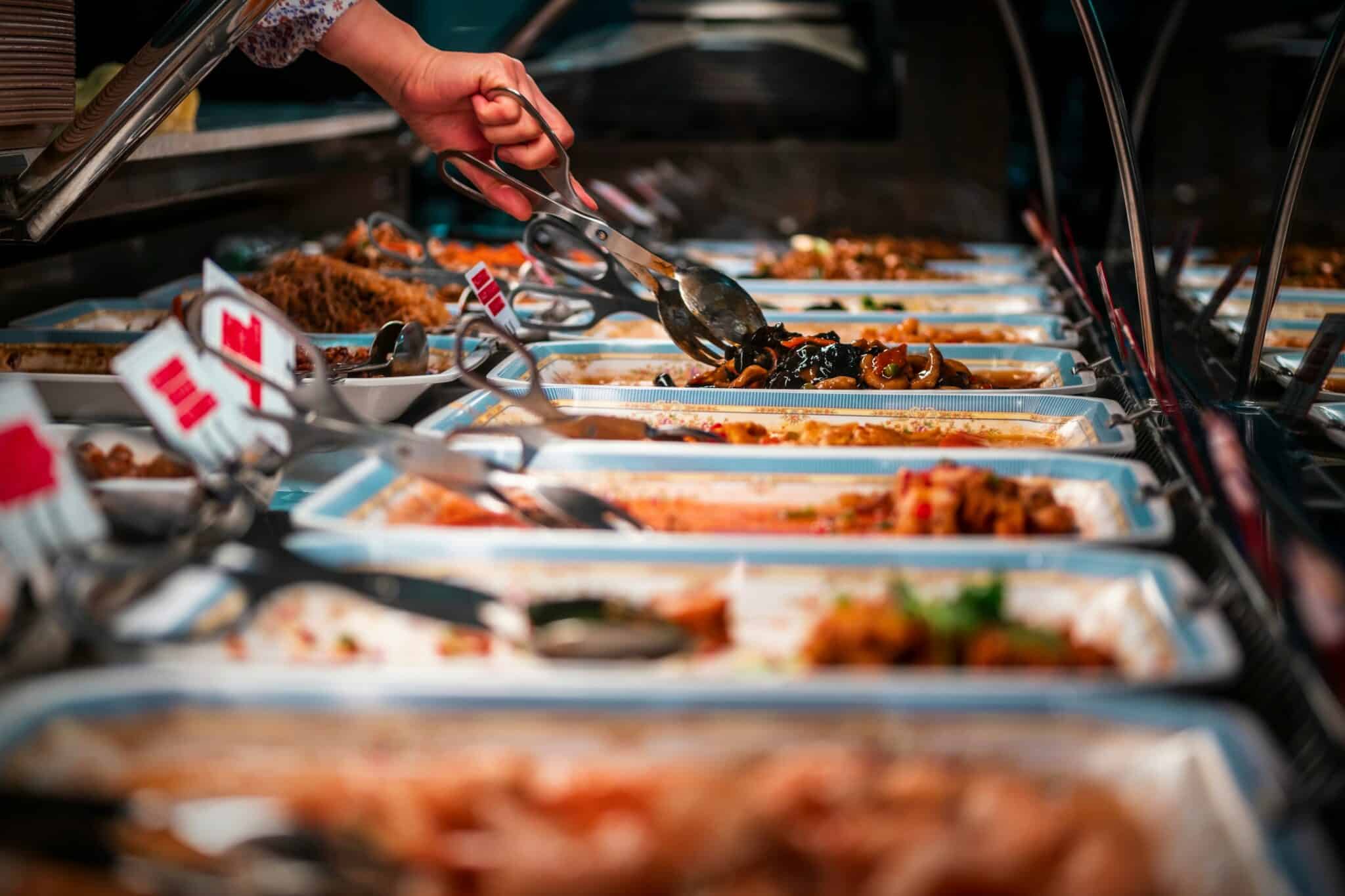
Buffets offer tempting variety but present unique food safety challenges. By understanding key risks and adopting evidence-based precautions, diners can significantly reduce their likelihood of foodborne illness. Food safety experts suggest several critical strategies:

Master Temperature Control  

The “danger zone” between 40°F and 140°F allows bacteria to multiply rapidly. Avoid hot foods like eggs, meats, and cooked seafood that aren’t actively maintained in heated chafing dishes or on hot plates.  Similarly, skip cold items like dairy products, salads, and sliced fruits if they’re not chilled on ice or in refrigerated displays.  Perishable foods left at room temperature for over two hours become hazardous and should be discarded. 

Prevent Cross-Contamination  

Buffet patrons often unknowingly contaminate food. Use only designated utensils for each dish and never handle food with bare hands.  Ensure sneeze guards fully cover food and extend at least 7 inches beyond it.  If utensils are missing, dirty, or handled by multiple people without cleaning, avoid those items entirely, norovirus can survive on surfaces for weeks.  Always use a clean plate for return trips to the buffet. 

Select Foods Strategically  

Certain buffet items carry higher risks:  

  • Raw or undercooked foods: Avoid sushi, oysters, rare meats, and raw shellfish, which may harbor Salmonella, E. coli, or Vibrio bacteria.   
  • Moist, protein-rich dishes: Skip lukewarm quiches, custards, mayonnaise-based salads, and cooked rice (which can grow Bacillus cereus toxins).   
  • Unpasteurized dairy and juices: These may contain Listeria or E. coli and require strict refrigeration.   
  • Pre-cut produce: Melons, leafy greens, and sprouts are especially vulnerable to contamination from unwashed rinds or contaminated water.   

Safer choices include packaged foods (muffins, yogurts), whole uncut fruits (bananas, oranges), and made-to-order items like omelets. 

Observe and Time Your Visit  

Arrive early when foods are freshly replenished and have spent minimal time on display.  Visually inspect stations for cleanliness, proper utensil handling, and temperature control equipment. Note that buffet foods should be replaced frequently, not simply topped up over old batches.  When in doubt about how long something has been sitting, opt for freshly prepared alternatives or packaged items.

Additional Precautions

Always wash hands before and after visiting the buffet line. Consider using hand sanitizer after handling communal utensils.  Check for posted health inspection certificates, which indicate compliance with food safety regulations. 

By combining temperature awareness, contamination prevention, and strategic food selection, buffet enthusiasts can enjoy diverse offerings while minimizing health risks. Leading nationwide E. coli law firm Ron Simon & Associates says that awareness and  informed choices remain the most effective defense against foodborne illness in self-service settings.

Share. Facebook Twitter Pinterest LinkedIn Tumblr Email
Avatar photo
Kit Redwine

Related Posts

How Long Do Foodborne Bacteria Survive on Kitchen Surfaces—and Why Cleaning Isn’t Always Enough

January 14, 2026

Norovirus: What You Need to Know About the Highly Contagious “Stomach Bug”

January 8, 2026

A Rising Tide of Risk: Navigating the Hidden Dangers in Raw Seafood

December 30, 2025

The Hidden Journey Bacteria Through Modern Food Processing

December 28, 2025
Add A Comment
Leave A Reply Cancel Reply

Attorney Advertisement
Ron Simon

Subscribe to Updates

Get the latest food safety recall, outbreak, & investigation news.

Latest Posts

Neurolisteriosis: Why Listeria Monocytogenes Causes Meningitis and Encephalitis

January 19, 2026

Back-to-School Food Risks: How Lunch Packing, Cafeterias, and Shared Spaces Increase Food Poisoning

January 14, 2026

What Foods Are Most Likely to Carry Salmonella—and Why Contamination Happens So Easily

January 14, 2026

Food Poisoning News is a website devoted to providing you with the most current information on food safety, dangerous pathogens, food poisoning outbreaks and outbreak prevention, and food poisoning litigation.

We're social. Connect with us:

Facebook X (Twitter) YouTube
Latest Posts

Neurolisteriosis: Why Listeria Monocytogenes Causes Meningitis and Encephalitis

January 19, 2026

Back-to-School Food Risks: How Lunch Packing, Cafeterias, and Shared Spaces Increase Food Poisoning

January 14, 2026

What Foods Are Most Likely to Carry Salmonella—and Why Contamination Happens So Easily

January 14, 2026
Get Informed

Subscribe to Updates

Get the latest food safety recall, outbreak, & investigation news.

Facebook X (Twitter) YouTube
  • Home
© 2026 Food Poisoning News. Sponsored by Ron Simon & Associates a Houston, TX law firm. Powered by ArmaVita.
Our website and content are for informational purposes only. Food Poisoning News does not provide legal advice, medical advice, diagnosis, or treatment.

Type above and press Enter to search. Press Esc to cancel.