

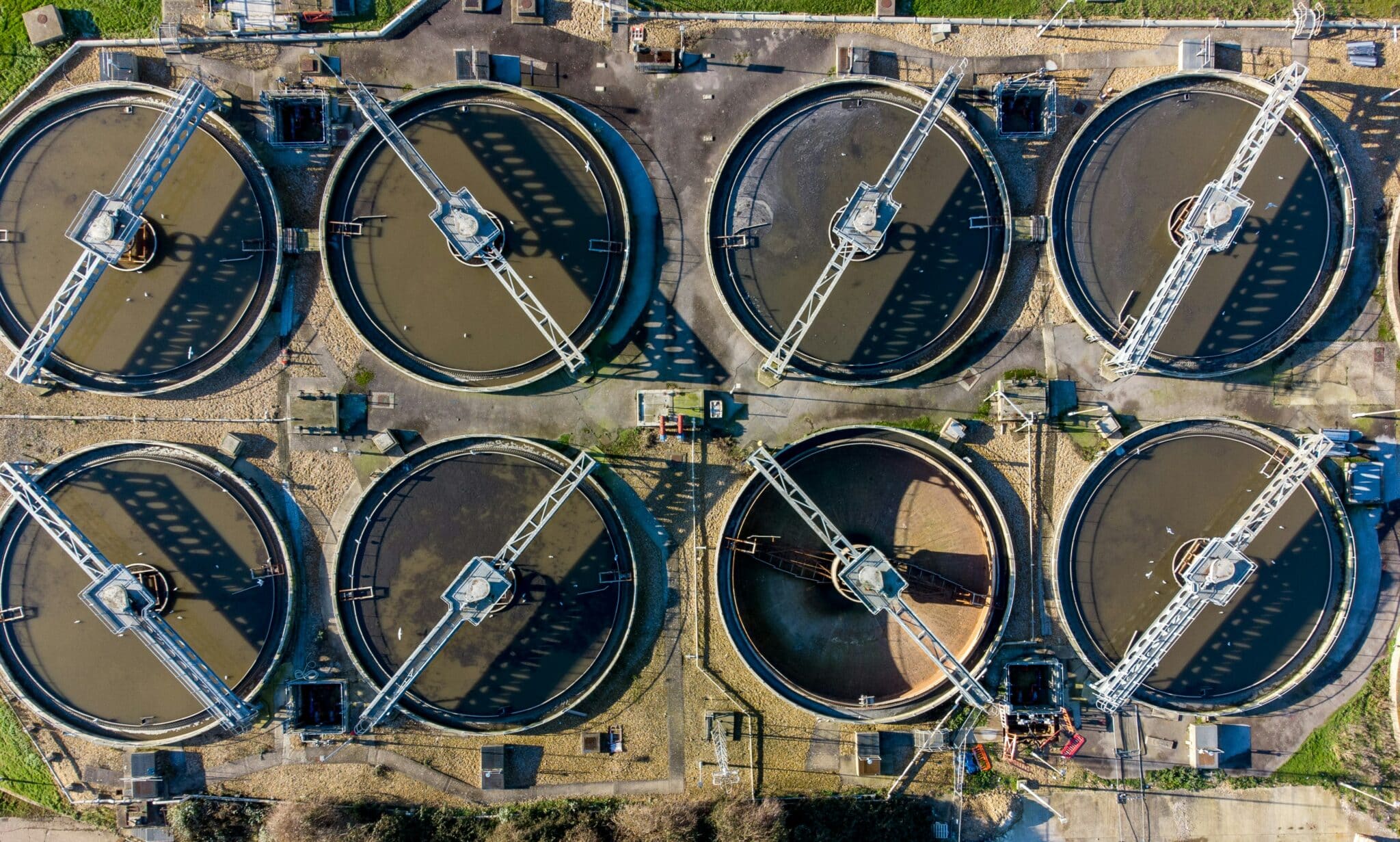

As foodborne disease outbreaks in Europe surged by 43.9% in 2022, public health agencies are increasingly adopting wastewater-based epidemiology (WBE) to detect pathogens before clinical cases emerge. This approach analyzes sewage to identify infectious agents shed in feces, providing community-level surveillance that captures symptomatic and asymptomatic infections alike.
How Wastewater Surveillance Works
WBE employs a three-step detection strategy:
- Untargeted Screening: Wastewater undergoes metagenomic analysis to detect diverse microorganisms.
- Targeted Quantification: Pathogens showing elevated concentrations are measured using PCR to confirm trends.
- Data Integration: Wastewater results are correlated with clinical reports to model outbreak trajectories.
This method proved effective during the COVID-19 pandemic, where viral load increases in wastewater preceded hospital admissions by up to 63 days.
Documented Successes
- In central Pennsylvania, wastewater monitoring detected Salmonella enterica serovar Baildon, a rare strain causing a 2022 outbreak, through genomic sequencing of sewage isolates. These matched clinical samples from infected patients, confirming WBE’s outbreak detection capabilities.
- Gothenburg’s wastewater surveillance identified norovirus concentrations 2 to 3 weeks before clinical cases and hepatitis A virus 5 to13 weeks ahead of diagnoses during a berry-linked outbreak.
- Spain’s 2020 to 2021 enteric virus monitoring found noroviruses in 62 to 83% of samples, demonstrating WBE’s sensitivity for community-level pathogen tracking.
Advantages Over Traditional Surveillance
WBE addresses critical gaps in conventional reporting:
- Early Detection: Identifies pathogens before symptomatic cases are clinically confirmed.
- Asymptomatic Capture: Detects infections missed by healthcare systems, as shown by hepatitis A surveillance revealing higher community spread than reported cases.
- Cost Efficiency: One sample monitors thousands of people, reducing per-capita surveillance costs.
Table: Comparing Surveillance Approaches for Foodborne Pathogens
| Parameter | Clinical Reporting | Wastewater Surveillance |
| Detection Speed | Days to weeks after symptom onset | Up to 13 weeks pre-outbreak |
| Asymptomatic Cases | Rarely identified | Captured via fecal shedding |
| Data Representativeness | Limited to healthcare seekers | Community-wide coverage |
| Outbreak Prediction | Reactive confirmation | Proactive early warning |
| Cost per Capita | High (testing infrastructure) | Lower (bulk sample analysis) |
Implementation Challenges
Despite promise, barriers remain:
- Standardization: Methods for sample collection (e.g., composite vs. grab sampling) and viral concentration require harmonization to ensure comparability.
- Sensitivity: Pathogens with low fecal shedding or environmental persistence may evade detection.
- Data Interpretation: Population size estimation, flow dynamics, and dilution effects complicate infection burden calculations.
Emerging solutions include machine learning models that integrate wastewater data with environmental factors and crowdsourced symptom searches to improve prediction accuracy.
Future Directions
The CDC’s National Wastewater Surveillance System, initially designed for SARS-CoV-2, now expands to foodborne pathogens. Researchers advocate integrating WBE with genomic sequencing to accelerate source tracing during outbreaks, potentially preventing wider transmission. As standardization improves, WBE could become routine in public health infrastructure, transforming wastewater from waste to a vital epidemiological sentinel.
