

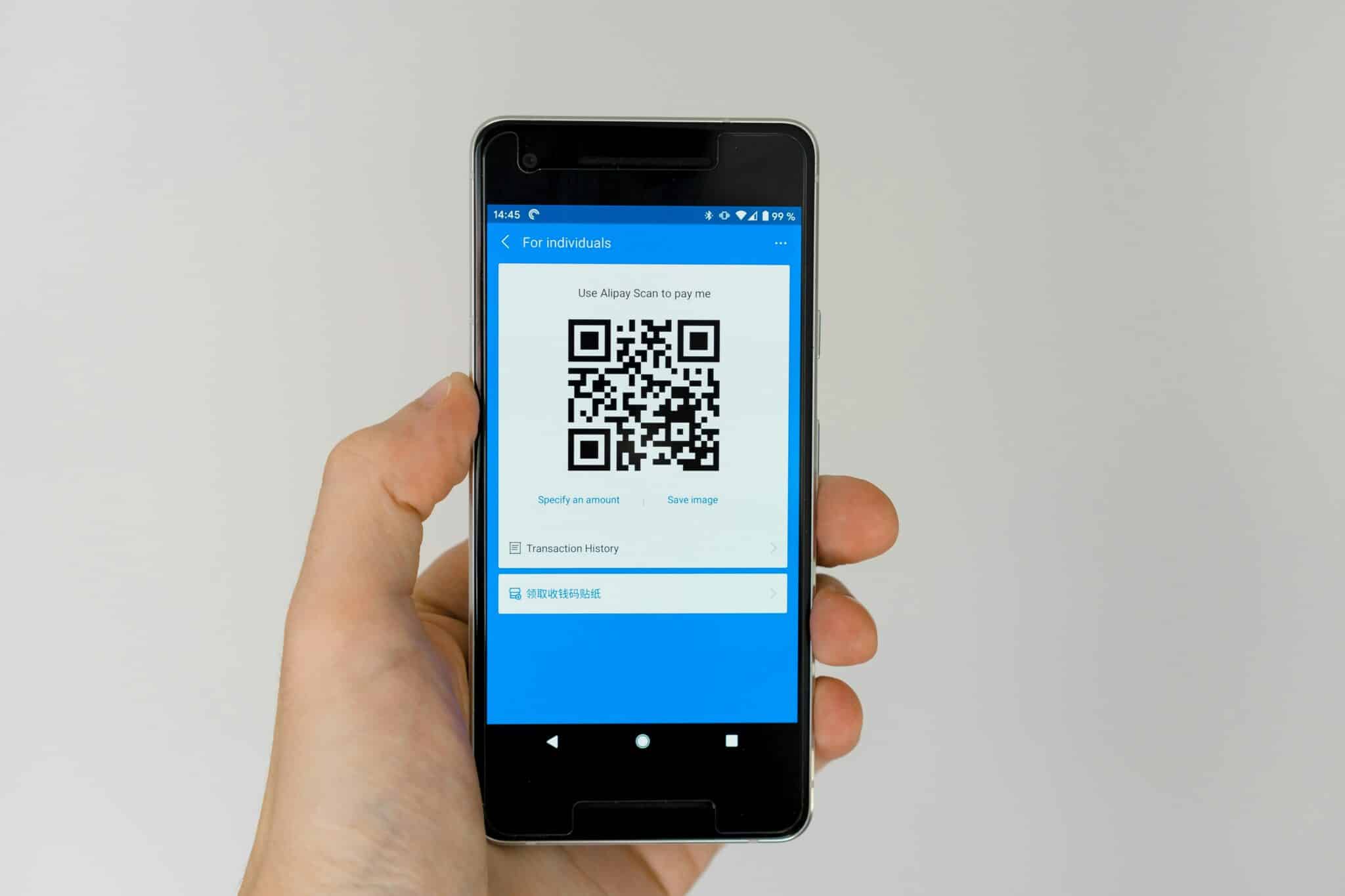

In an age where food recalls and contamination outbreaks seem to dominate the headlines, the need for more transparent, efficient, and responsive food safety systems has never been more pressing. Enter smart labels and QR codes, technologies that are quietly revolutionizing how we track food from farm to fork. These tools are not just for scanning prices or finding recipes. They hold the potential to transform public health by helping consumers, producers, and regulators respond faster to foodborne illness threats.
What Are Smart Labels?
Smart labels are enhanced product tags that go beyond traditional printed barcodes. They may include radio-frequency identification (RFID) tags, temperature-sensitive inks, time-temperature indicators, and dynamic QR codes that update information in real time.
While some smart labels are complex enough to track storage temperatures or spoilage, others may simply serve as a digital link to product-specific data like lot numbers, origin, recall alerts, and nutritional content.
The Role of QR Codes
Quick Response (QR) codes are square-shaped black-and-white barcodes that can be scanned by smartphones. They’re already used widely for menus and promotions, but in the food safety world, they serve a more vital function.
By scanning a QR code on a package of eggs, milk, salad greens, or deli meat, a consumer could:
- View the exact farm of origin
- Check for recent recalls
- Confirm expiration dates or production times
- Learn safe handling instructions
- Report adverse events or concerns
In a time-sensitive outbreak, this is game-changing. Instead of waiting for public alerts or deciphering lot numbers on a government website, shoppers could access clear, real-time safety data with a quick scan.
Why It Matters for Foodborne Illness
Foodborne illnesses, from pathogens like Salmonella, Listeria, and E. coli, can spread rapidly and cause severe illness, hospitalizations, and even death. One of the biggest challenges in fighting outbreaks is traceability, the ability to identify the contaminated product, trace it to the source, and remove it from shelves and homes before more people get sick.
Traditional tracking methods are slow and fragmented, often relying on paper records, phone calls, and disconnected databases. Smart labels and QR-enabled systems offer real-time, end-to-end traceability.
In a multistate outbreak, for instance, regulators could narrow the contamination to one specific processing date or supplier, rather than recalling an entire product line. This reduces waste, protects consumers, and helps pinpoint exactly where the food safety failure occurred.
Who’s Using Smart Labels Already?
Several major food producers, grocery chains, and tech companies are investing in smart label systems. Notable examples include:
- Walmart, which has implemented blockchain-based tracking for leafy greens and pork.
- IBM’s Food Trust, a blockchain initiative used by companies like Nestlé and Kroger.
- Apeel, which adds invisible, plant-based coatings with embedded data to help monitor freshness.
- FreshTag and Timestrip, which offer time-temperature labels that indicate if food has been stored properly.
Some products already use QR codes that link to farm videos, harvest dates, or safety certifications offering not just traceability, but transparency.
Challenges to Adoption
Despite their promise, smart labels and QR tracking systems face hurdles:
- Cost: Smaller producers may find the technology expensive to implement.
- Data Integration: Supply chains must align digital systems to ensure data is accurate and accessible.
- Consumer Education: Shoppers need to understand what the codes mean and trust the data they provide.
- Privacy Concerns: QR scans and smart packaging could collect consumer data, raising ethical questions.
Still, as technology becomes cheaper and more user-friendly, these barriers are slowly being overcome.
The Future of Food Safety
Looking ahead, experts envision a fully digitized food system, where smart packaging not only tracks safety data, but interacts with smart fridges, digital receipts, and mobile health apps. Imagine:
- Your fridge alerting you that your spinach may be part of a recall.
- Your loyalty app sending a push notification about a product you purchased.
- A dynamic expiration date that adjusts based on how your food has been stored.
This level of automation and personalization could dramatically reduce foodborne illness risks, save lives, and build consumer trust.
Final Note
Smart labels and QR codes are more than a tech trend. They are an essential tool for a safer, more transparent food system. As outbreaks become more complex and supply chains more global, these innovations provide the speed, precision, and clarity we need to keep food safe.
For now, the next time you see a QR code on your groceries, don’t ignore it. It may contain critical information that could protect your health or even your life.
