

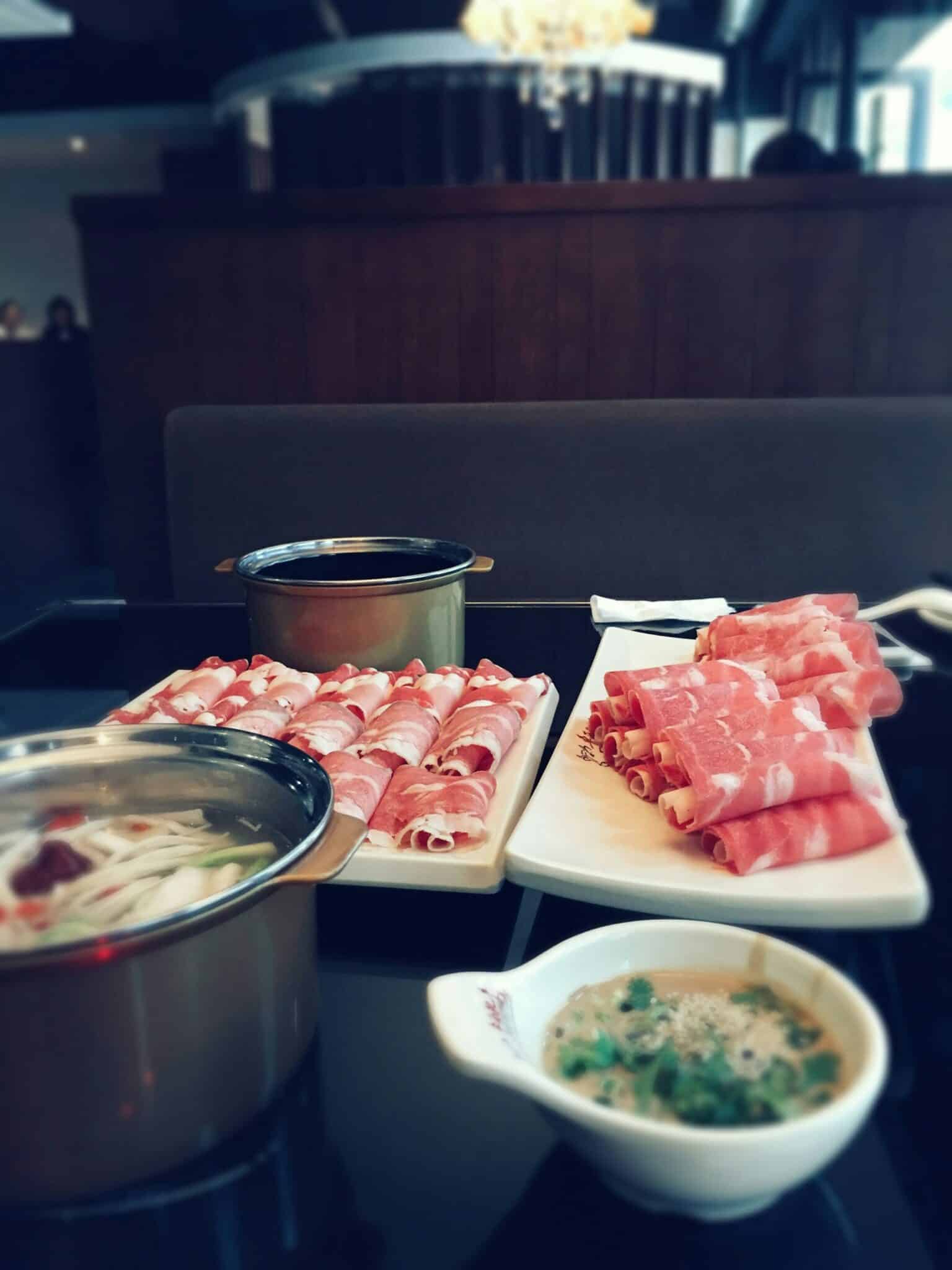

Cooking meat to the correct internal temperature is one of the most important steps in preventing foodborne illness. Whether grilling burgers, roasting chicken, or pan-searing steak, using a food thermometer and following safe cooking temperatures is essential. Undercooked or improperly stored meat can harbor dangerous bacteria such as Salmonella, E. coli, and Listeria, which can cause severe illness or even death. Meat temperature guidelines are more than just suggestions, they are science-based rules designed to protect public health.
Why Temperature Matters
Raw meat can contain harmful bacteria that are only destroyed when the food is cooked to a high enough temperature. These bacteria live on the surface and, in some cases, inside the muscle tissue, especially in ground meat. Heating meat to the right temperature ensures that any pathogens present are killed, reducing the risk of foodborne illness.
Color, texture, or cooking time are not reliable indicators of doneness. For instance, ground beef can still be pink in the middle even after reaching a safe temperature. That is why a digital food thermometer is the best tool for confirming meat has reached a safe internal temperature.
Official Temperature Guidelines
The United States Department of Agriculture (USDA) has set specific minimum internal temperature recommendations for different types of meat. These guidelines are based on extensive research into how heat affects bacteria and viruses commonly found in food.
- Ground meats (beef, pork, veal, lamb): 160°F
- Ground poultry (chicken, turkey): 165°F
- Beef, pork, veal, and lamb (steaks, roasts, chops): 145°F with a 3-minute rest time
- Poultry (whole or pieces): 165°F
- Ham (fresh or smoked): 145°F
- Fully cooked ham (to reheat): 140°F
- Fish and shellfish: 145°F
- Leftovers and casseroles: 165°F
The rest time for whole cuts of meat like steaks and roasts is important because it allows the temperature to remain high enough to kill any remaining bacteria after removal from the heat source.
Special Considerations for Ground Meat
Ground meat is particularly risky when undercooked. When meat is ground, bacteria that were on the surface are mixed throughout the product. This means that a hamburger must be cooked all the way through, not just seared on the outside.
In contrast, a steak may be safe to eat medium rare if the outside is properly seared, because bacteria typically do not penetrate deep into the meat. Still, individuals at higher risk of foodborne illness, such as young children, elderly adults, pregnant women, and those with weakened immune systems, should only eat meat that has been cooked to safe internal temperatures.
Avoiding Cross-Contamination
Reaching the correct temperature is only part of the equation. Cross-contamination during food preparation can spread bacteria from raw meat to other foods. Always wash hands, utensils, cutting boards, and surfaces thoroughly after handling raw meat. Use separate tools and boards for raw meat and ready-to-eat foods like vegetables or bread.
Never place cooked meat back on the same plate that held raw meat unless it has been properly cleaned. These simple steps can prevent bacteria from contaminating food that will not be cooked further.
Storing and Reheating Meat Safely
Proper storage and reheating are just as important as proper cooking. Refrigerate meat within two hours of cooking, or within one hour if the temperature is above 90°F. Store leftovers in shallow containers to cool quickly and avoid the temperature danger zone (40°F to 140°F) where bacteria multiply fastest.
When reheating leftovers, bring the internal temperature to at least 165°F. Use a food thermometer to verify the temperature, even if the food appears hot.
The Role of Thermometers in Food Safety
A food thermometer is one of the most valuable tools in any kitchen. Affordable and easy to use, thermometers remove the guesswork and ensure food is safe to eat. There are several types available, including digital instant-read, dial analog, and probe thermometers that remain in the meat during cooking. Choose one that suits your cooking style and learn how to use it properly by inserting it into the thickest part of the meat without touching bone or fat.
Empowering Safe Cooking at Home
Cooking meat safely is not just a concern for professional chefs. At-home cooks hold the responsibility to protect themselves and their families from foodborne illness. Learning and following meat temperature guidelines helps ensure that meals are not only delicious but also safe.
By understanding these guidelines and using them consistently, individuals can reduce the risk of illness from contaminated meat. Whether hosting a backyard barbecue or preparing a weeknight dinner, safe meat preparation starts with temperature awareness. The extra few seconds it takes to use a thermometer can prevent days of discomfort or worse.
Food safety is built on habits, and cooking meat to the proper temperature should be one of them.
