

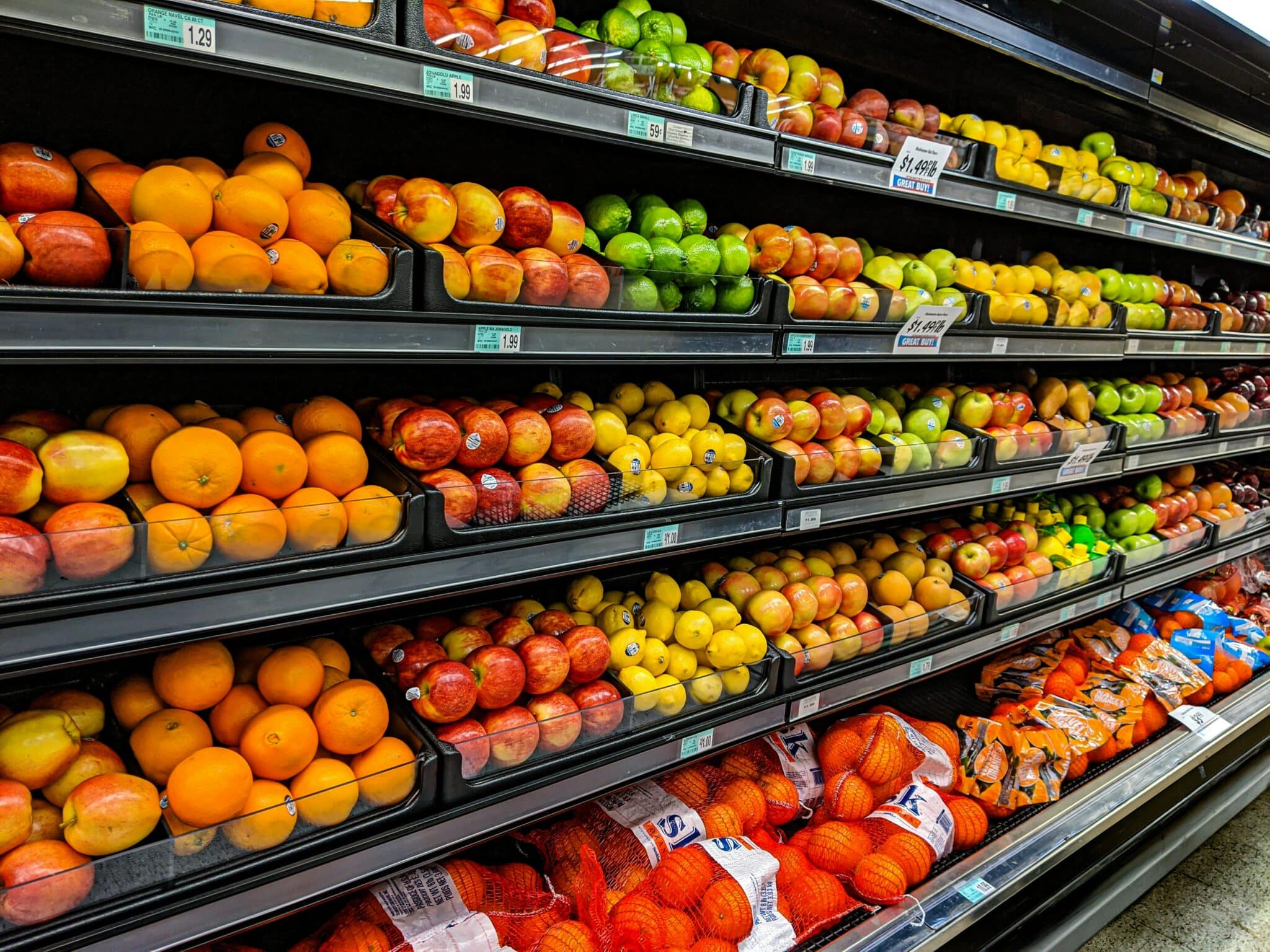

When you walk into a grocery store, you probably have an idea of where the “dangerous” food might be. Maybe you picture the raw meat section, with its shrink-wrapped chicken and beef. Or maybe you think about the seafood counter, with its chilled display of fish and shellfish.
But the truth is, one of the most hazardous spots in the store is often the one we least suspect—places where food looks fresh, clean, and ready to eat but can hide dangerous pathogens.
The Silent Risk Zones
Public health experts know that contamination can happen anywhere in the food supply chain, but grocery store environments have some unique problem areas. These are places where bacteria, viruses, and parasites can linger for hours—or days—without anyone noticing.
Some of the most overlooked high-risk zones include:
- Deli counters where slicing machines and prep areas are in constant use but not always thoroughly sanitized.
- Bulk bins where customers use shared scoops and tongs, sometimes with bare hands.
- Salad bars where perishable foods sit at borderline temperatures for hours.
- Shopping carts that carry everything from raw meat to sticky snacks, spreading germs to anything you place inside.
Why “Clean Looking” Isn’t Safe
The problem with these zones is that they look clean. Shiny stainless steel, neatly stacked lettuce, and well-lit displays can make us think the food is safe. But harmful pathogens—like Listeria monocytogenes, E. coli, and Salmonella—don’t change the appearance, smell, or taste of food.
Listeria, in particular, is a major concern in refrigerated deli and prepared food cases because it thrives in cold, moist environments that should deter most bacteria. Once it establishes itself on a surface like a slicer or cutting board, it can be extremely difficult to remove.
Case Study 1: 2024 Listeria Outbreak Linked to Deli Meats and Cheeses
In early 2024, the CDC investigated a Listeria monocytogenes outbreak that sickened 28 people in 12 states, resulting in 4 deaths. The illnesses were traced to contaminated deli meats and cheeses sold at multiple grocery store chains. Environmental testing found Listeria on slicing equipment in several deli departments. The contamination likely spread to multiple products, highlighting the difficulty of controlling bacteria once it gets into shared food-prep areas.
Case Study 2: Bulk Bin Salmonella Contamination
In 2018, a Salmonella outbreak linked to bulk-bin nut butters and trail mix sickened at least 13 people across 8 states. Investigators found that scoops and bin lids had not been cleaned regularly, allowing bacteria to transfer between customers. Bulk bins, while popular for reducing packaging, often rely on customer handling—making cross-contamination a major risk.
Why These Cases Matter
Both of these outbreaks show that the problem isn’t always the food itself—it’s the environment. Even high-quality products can become contaminated when equipment, surfaces, and utensils aren’t properly cleaned and maintained.
How to Protect Yourself While Shopping
While you can’t control what happens behind the counter, you can reduce your risk by:
- Asking questions: Don’t hesitate to ask when deli equipment was last cleaned.
- Avoiding high-risk items when pregnant or immunocompromised: This includes cold deli meats, soft cheeses, and ready-to-eat salads.
- Bringing your own produce bags: Avoid placing fruits and vegetables directly in the cart where raw meat may have been.
- Selecting items from the back: Products at the front are more likely to have been touched or exposed.
- Washing bulk-bin items before eating: Especially nuts, seeds, and dried fruit.
The Industry’s Responsibility
While consumer awareness is important, the ultimate responsibility lies with stores to ensure strict cleaning and food safety protocols. Slicers should be broken down and sanitized daily, bulk bin scoops should be washed and replaced frequently, and ready-to-eat areas should be monitored for temperature compliance.
The Bottom Line
The most dangerous place in your grocery store isn’t necessarily the one that looks suspicious. It’s often the places that look perfectly fine—where harmful bacteria can hide in plain sight.
So next time you walk past the salad bar or scoop a bag of granola from a bulk bin, remember: safety isn’t about how clean something looks—it’s about the precautions taken behind the scenes.
