

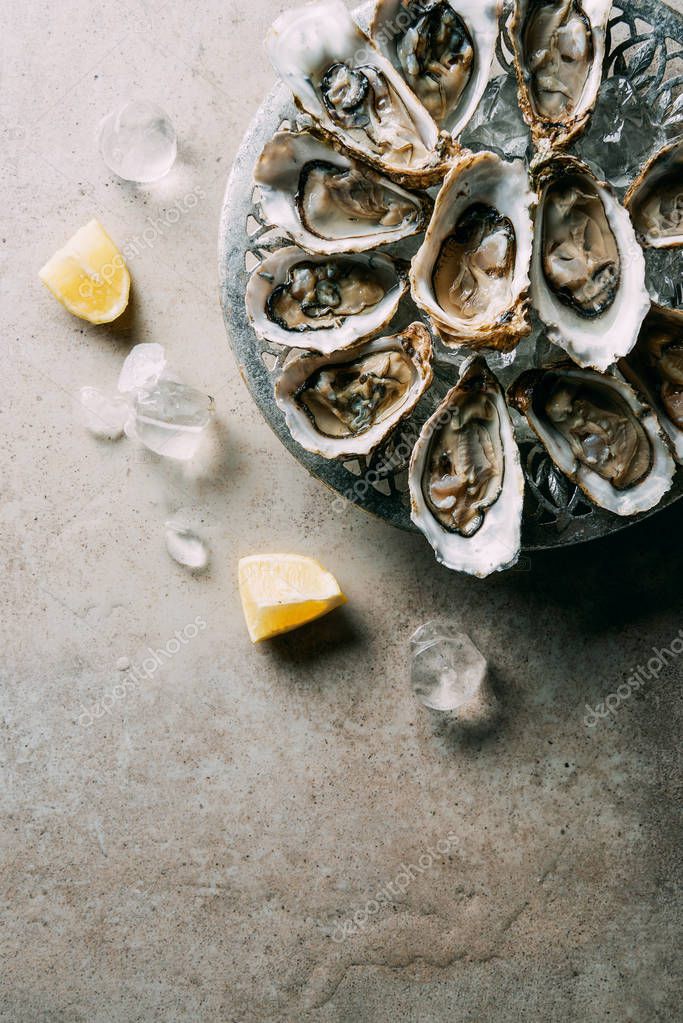

In August 2025, health authorities in Florida and Texas linked several deaths to Vibrio vulnificus infections after diners consumed raw “Blue Bay” oysters harvested from Gulf waters. Laboratory testing confirmed the presence of the dangerous bacteria in leftover oyster samples. Officials quickly issued a recall on specific harvest zones and batch codes (Zone G, Batch BB-0825), warning consumers to avoid raw oysters from the region.
Vibrio infections are most common during warmer months when coastal waters heat up. While mild Vibrio strains typically cause gastrointestinal upset, V. vulnificus is far more severe, often invading the bloodstream and causing sepsis. The fatality rate can be as high as 20 percent, particularly in people with liver disease, diabetes, or weakened immune systems.
Symptoms often appear within 24–48 hours of ingestion and include fever, chills, nausea, diarrhea, and in some cases, blistering skin lesions. Rapid treatment with IV antibiotics is essential, and severe cases may require surgery to remove infected tissue.
Restaurants and seafood suppliers were told to stop selling the recalled oysters immediately. Diners who consumed raw oysters and later developed symptoms were urged to seek urgent care and inform providers of shellfish exposure. Keeping receipts or records of where oysters were purchased helps with both outbreak investigations and legal cases.
Food safety law firms such as Ron Simon & Associates frequently handle Vibrio claims, helping victims trace responsibility through harvesters, distributors, and restaurants. The Blue Bay outbreak is a stark reminder: oysters should be enjoyed cooked, not raw. Cooking is the only reliable way to eliminate Vibrio.
