

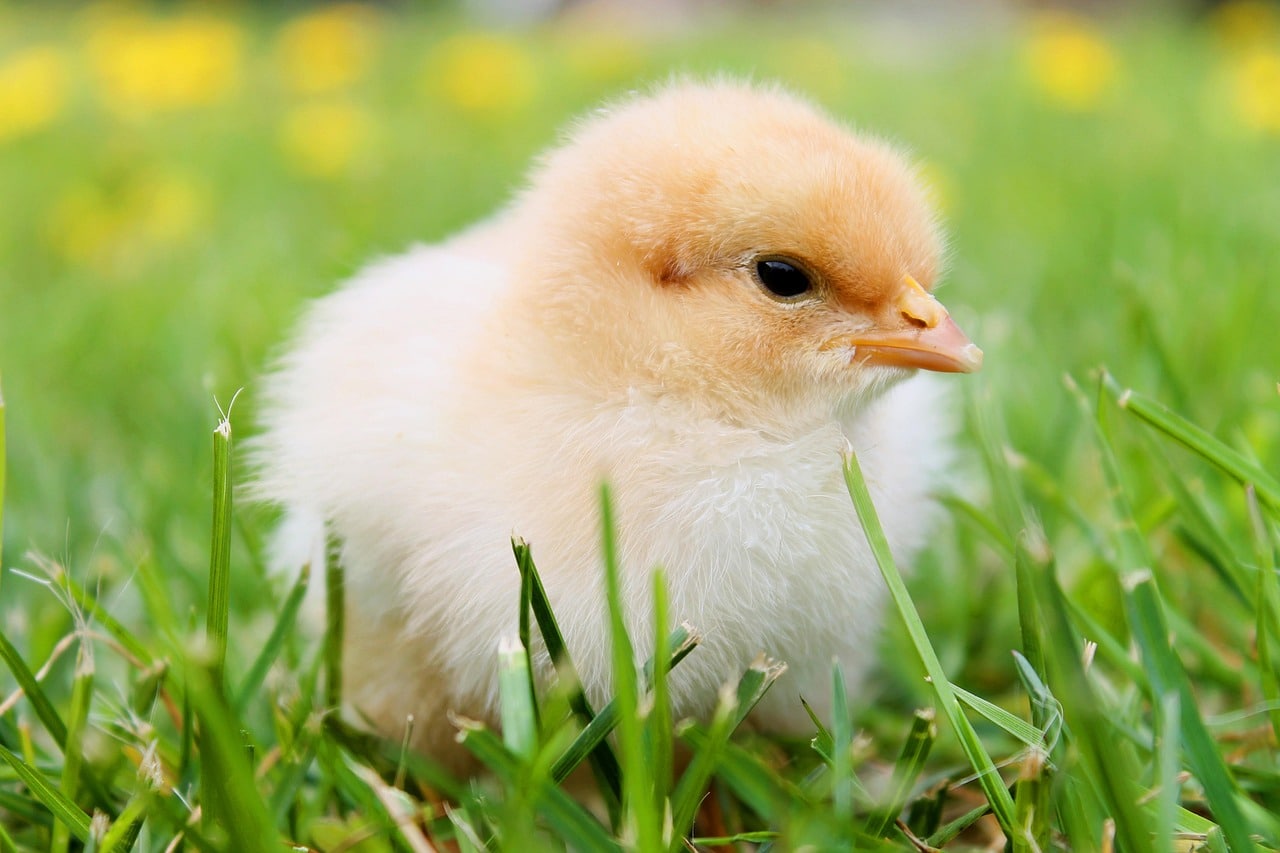

The backyard chicken movement has surged in popularity, fueled by a desire for self-sufficiency, organic eggs, and a rural lifestyle in urban settings. While charming, this trend has unintentionally fueled an increase in foodborne illness, particularly Salmonella.
The CDC reports that since 2011, outbreaks tied to backyard poultry have sickened thousands across the U.S. Unlike commercial farms, home flocks are often kept in close contact with families — including children — increasing the chance of transmission. Chickens can shed Salmonella in their droppings even when they appear healthy. These bacteria contaminate feathers, coops, feed, and water, creating an invisible but persistent hazard.
What makes backyard poultry unique is the blurring of the line between “pet” and “livestock.” Many owners allow chickens indoors or let children cuddle them, not realizing that affectionate handling can lead to hand-to-mouth transmission. A single careless snack after collecting eggs can result in diarrhea, fever, and abdominal cramps lasting up to a week. In vulnerable populations, such as infants or the elderly, infections can become severe.
Eggs from backyard hens also present risks. Without proper washing and refrigeration, bacteria can enter through microscopic cracks in the shell. In 2018, a multi-state outbreak linked to backyard eggs reminded consumers that “farm fresh” does not necessarily mean safer.
Preventing infection requires a shift in mindset. Backyard flock owners should treat chickens as livestock, not pets. Key practices include: washing hands thoroughly after handling, keeping coops clean, and never allowing birds in kitchens or bathrooms. Eggs should be collected daily, washed gently if soiled, and refrigerated promptly.
Backyard chickens may provide joy and eggs, but they also carry an undeniable public health risk. Recognizing the potential for Salmonella is not about discouraging the movement but ensuring it grows responsibly.
