

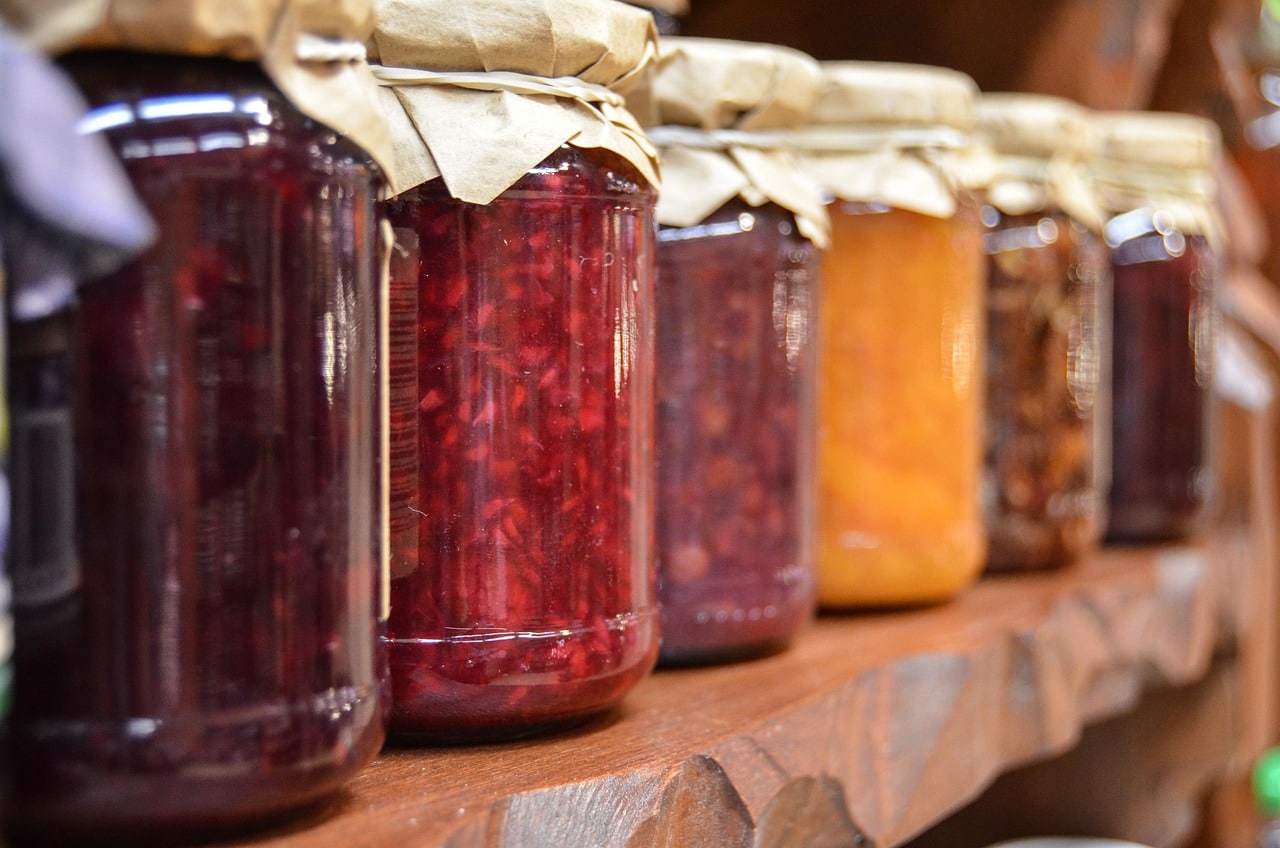

Cottage Food Laws: Are Homemade Jams, Breads, and Salsas Always Safe?
Cottage food laws have grown in popularity across the United States as more people turn their hobbies of baking, canning, or cooking into small businesses. These laws allow individuals to sell certain homemade food products directly to consumers without the need for a commercial kitchen. The movement has boosted local economies, empowered entrepreneurs, and given communities greater access to homemade goods. However, questions remain about whether these products are always safe to eat.
What Cottage Food Laws Allow
Cottage food laws vary by state but typically permit the sale of low-risk foods such as breads, cookies, fruit pies, jams, jellies, and certain canned goods. Items considered potentially hazardous, such as meats, dairy products, and cooked vegetables, are often restricted or prohibited. States differ in how much oversight they provide. Some require registration, inspections, or food safety training, while others place fewer requirements on sellers.
The Perception of Homemade as Healthier
Many consumers assume that homemade food is fresher and healthier than commercially prepared products. Small batch production often carries the reputation of being crafted with care. While that may be true in many cases, the perception of homemade food as inherently safer can be misleading. Commercial facilities follow strict sanitation protocols and are subject to inspections, while cottage food operations may rely solely on the individual cook’s knowledge and practices.
Foodborne Illness Risks
The main concern with cottage food operations is the risk of foodborne illness. For example, jams and jellies rely on proper acid levels and processing to prevent the growth of Clostridium botulinum, the bacteria that causes botulism. If a recipe is not followed precisely, harmful microorganisms can survive in sealed jars.
Salsas and other tomato-based products can also present challenges. Although tomatoes are acidic, when combined with onions, peppers, or other ingredients, the final product may not have the necessary acidity to inhibit bacterial growth. Improper canning techniques increase the risk.
Even baked goods, which are often considered safe, can pose hazards if they contain fillings like cream cheese or custard, which require refrigeration. Inadequate cooling or improper storage may allow pathogens to multiply.
Limited Oversight
Cottage food laws intentionally reduce regulatory barriers, but the result is less oversight compared to commercial food production. Home kitchens are not always inspected, meaning conditions such as pet access, improper cleaning practices, or cross-contamination risks might not be identified. Training requirements also vary, so some home cooks may not fully understand safe handling practices.
In addition, many cottage food operations sell directly at farmers’ markets, craft fairs, or roadside stands. These venues make it challenging to monitor storage temperatures or ensure products remain safe throughout the day.
Benefits of Cottage Food Laws
Despite the risks, cottage food laws provide significant benefits. They support small business development, particularly for individuals who cannot afford the cost of a commercial kitchen. They also foster community connections by offering consumers unique, locally made products. For many buyers, the opportunity to purchase goods directly from the person who made them creates trust and a sense of shared investment.
What Consumers Can Do
Consumers play an important role in protecting themselves when purchasing homemade food products. Asking questions about how items are prepared and stored can provide valuable insight into food safety practices. Buyers should look for labeling that includes the producer’s name, ingredients, and a statement that the product was made in a home kitchen. States with stronger cottage food regulations often require such labeling.
It is also important to handle purchased items properly once they are brought home. Baked goods with perishable fillings should be refrigerated promptly, and canned items should not be consumed if they show signs of spoilage such as bulging lids or off odors.
Moving Toward Balance
The debate around cottage food laws highlights the need to balance opportunity with safety. Some advocates argue for expanding the list of allowable foods, while others push for stricter safety training and periodic inspections. A middle ground may involve requiring more consistent education for producers while still preserving the accessibility and flexibility that make cottage food businesses appealing.
Final Note
Cottage food laws open doors for entrepreneurs and provide communities with access to unique, homemade products. However, homemade does not always mean risk-free. From jams to salsas, the safety of these foods depends heavily on proper preparation, storage, and handling. Consumers should remain informed and cautious, while policymakers continue to refine regulations that protect both food entrepreneurs and public health.
