


Field Trips and Food Safety: What Students, Parents, and Teachers Should Know
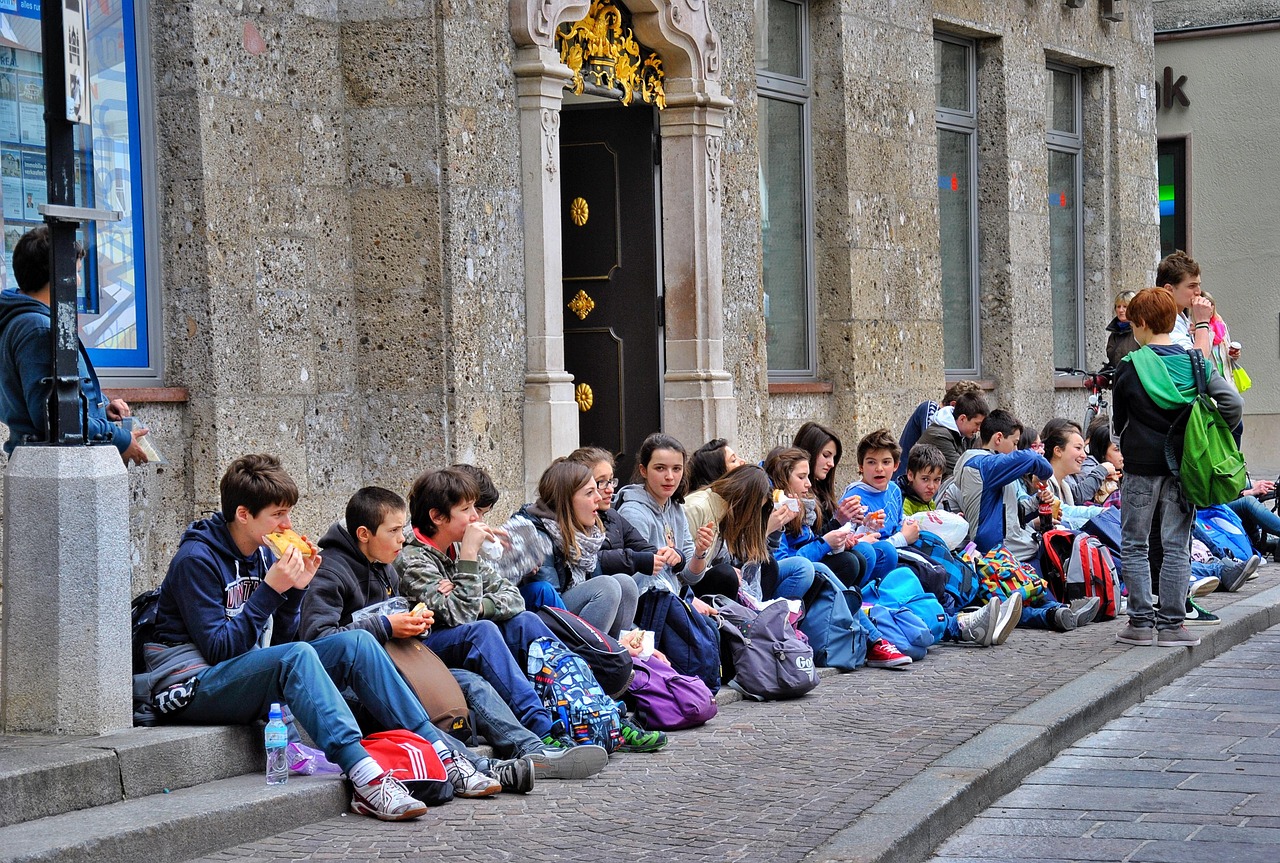
Field trips are among the most memorable parts of school. Whether it’s a day at the museum, a hike through a state park, or a bus ride to a competition, students often look forward to breaking away from the classroom routine. But while the focus is usually on learning and fun, one important aspect often gets overlooked: food safety.
Eating away from home—especially in large groups—creates a unique set of challenges. Packed lunches sit for hours in backpacks, bus rides leave little room for refrigeration, and cafeteria-style meals at destinations aren’t always monitored as closely as they should be. All of these factors make foodborne illness a hidden risk during school trips.
Why Field Trips Are a Unique Risk
At school, meals are typically prepared and served under regulated conditions. On field trips, however, food often travels with students and teachers, meaning it may sit in unsafe temperature ranges. Add in the excitement of the day—running around, forgetting to wash hands, or swapping snacks with friends—and the chances of contamination rise.
Unlike at home or school, supervision is also stretched thin. Teachers and chaperones have dozens of children to monitor, which can make it harder to enforce food safety rules.
Packed Lunch Pitfalls
- Lack of refrigeration: Perishable items like lunch meat, yogurt, and cheese can spoil if they sit for more than two hours at room temperature.
- Improper containers: Plastic bags or thin lunchboxes don’t keep foods cool. Without ice packs, bacteria multiply quickly.
- Cross-contamination: Juices from items like cut fruit or deli meat can leak onto snacks that don’t get reheated.
Tip for parents: Use insulated lunch bags with frozen gel packs. Pack shelf-stable items like peanut butter, trail mix, granola bars, and whole fruit when refrigeration isn’t available.
Handwashing Challenges
Another overlooked factor is hygiene. At school, handwashing is part of the routine. On a bus or at a crowded venue, sinks aren’t always accessible. Kids may eat after touching exhibits, playgrounds, or animals without realizing the germs they’re transferring to their food.
Tip for teachers: Bring hand sanitizer and build in time for students to wash their hands before meals.
Destination Dining Dangers
Some field trips provide catered meals or use on-site cafeterias. While this can be convenient, it comes with its own risks:
- Buffets and mass-prepared meals may not stay at safe temperatures.
- High student traffic can make it easy for serving utensils to get contaminated.
- Oversight may be limited, especially at busy venues like zoos, amusement parks, or sports arenas.
Tip for organizers: Contact the venue ahead of time to ask about food handling practices and whether allergy-friendly or safe alternatives are available.
Special Considerations for Certain Trips
- Outdoor trips (parks, zoos, nature centers): Warm weather can quickly spoil food, and students often forget to hydrate properly.
- Overnight trips (camp, competitions): Refrigeration may be shared or limited, making storage a challenge.
- Long bus rides: With hours of travel, snacks and meals are more likely to sit in unsafe conditions.
Practical Tips for Safer Field Trip Food
- Pack smart: Stick to shelf-stable or nonperishable items when refrigeration isn’t possible.
- Use ice packs: Always include frozen gel packs for perishable foods.
- Label lunches: This prevents mix-ups and helps students avoid eating food that’s not theirs.
- Wash hands: Encourage kids to sanitize before eating and after touching surfaces or animals.
- Stay hydrated safely: Pack sealed water bottles instead of open cups or shared drinks.
The Role of Teachers and Chaperones
Teachers and chaperones are the first line of defense when it comes to keeping students safe. While it’s impossible to monitor every snack, setting expectations early helps:
- Remind students not to share food (both for food safety and allergy reasons).
- Build handwashing or sanitizer breaks into the schedule.
- Keep an eye on food storage and make sure coolers stay shut.
Why It Matters
A single incident of food poisoning can derail a trip, leaving students sick and worried parents demanding answers. Beyond the immediate discomfort, children are more vulnerable to severe effects of foodborne illness. A preventable mistake—like a spoiled sandwich or cross-contaminated snack—can have long-lasting consequences.
By planning ahead, parents, schools, and trip organizers can greatly reduce risks. Field trips should create memories of discovery, not illness.
The Bottom Line
Field trips are exciting opportunities for learning, bonding, and adventure. But when it comes to food, they also require extra thought. Packed lunches, shared meals, and limited facilities all increase risks of contamination if safety isn’t prioritized. Parents can help by packing food wisely, while teachers and organizers can set rules that protect every child.
Food safety might not be the first thing you think of when preparing for a trip, but it should be part of the checklist. Because at the end of the day, the goal is for students to come home with smiles and stories—not stomachaches.
