

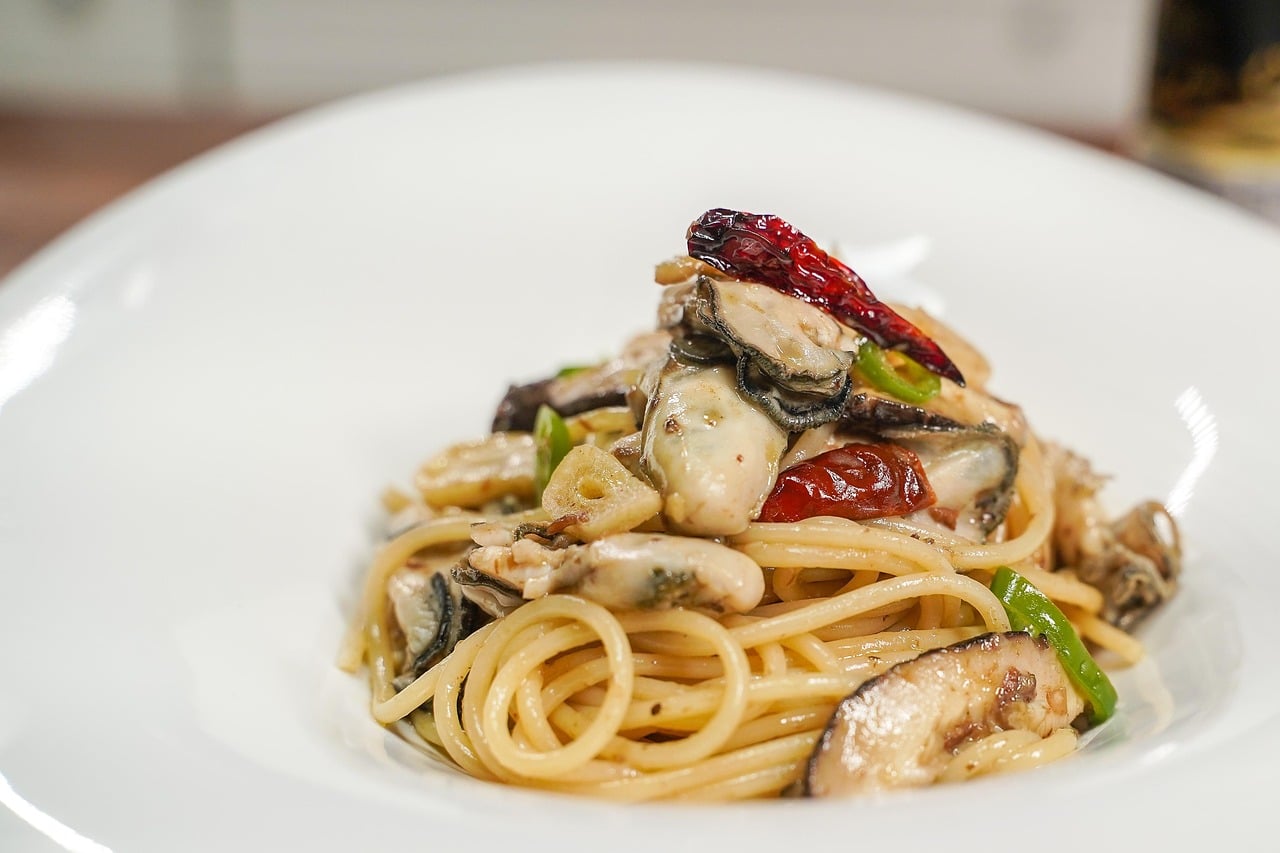

The Risk of Leftover Rice and Pasta in Dorm Rooms
College life often comes with late-night study sessions, tight budgets, and plenty of leftover food. For many students, rice and pasta are go-to staples because they are affordable, filling, and easy to prepare in bulk. However, what many do not realize is that these leftovers can become dangerous if not stored and handled properly. Dorm rooms, with their limited refrigeration options and sometimes relaxed food safety practices, create an environment where foodborne illness can thrive.
Why Rice and Pasta Pose a Unique Risk
Unlike some foods that simply dry out or lose flavor when left too long, rice and pasta are prone to a specific bacterial risk. The culprit is Bacillus cereus, a spore-forming bacterium commonly found in grains. Cooking rice or pasta kills most bacteria, but it does not destroy these heat-resistant spores. If the food is left at room temperature, the spores can quickly germinate, multiply, and produce toxins that cause food poisoning.
The illness caused by Bacillus cereus is often referred to as “fried rice syndrome” because it is commonly linked to improperly stored rice dishes. Symptoms typically include nausea, vomiting, diarrhea, and abdominal cramps. While the illness usually resolves within 24 hours, it can be severe in some cases and is entirely preventable with proper food handling.
Dorm Room Challenges
Dormitories present unique challenges that make leftover rice and pasta riskier than in a home kitchen.
- Limited refrigeration: Many students only have a mini fridge, which can become overcrowded and may not maintain safe temperatures if overfilled. A fridge should stay below 40°F, but an overloaded dorm fridge may hover higher, allowing bacteria to grow.
- Improper storage: Leftovers often sit out on desks or counters while students socialize, study, or sleep. Leaving rice or pasta at room temperature for more than two hours significantly increases the risk of bacterial growth.
- Reheating habits: Many students microwave leftovers unevenly, warming only the surface while the center remains at unsafe temperatures. Bacteria and toxins can survive and cause illness even if the food feels hot in spots.
- Lack of awareness: Young adults may not have received formal food safety education, and misconceptions such as “if it smells fine, it’s safe” are common. Unfortunately, toxins from Bacillus cereus do not always alter taste or smell.
Signs of Trouble
Foodborne illness linked to rice or pasta usually develops quickly. Symptoms often appear within a few hours of eating contaminated leftovers. Students may dismiss these episodes as a stomach bug or stress-related nausea, but repeated incidents can point to unsafe food practices. Recognizing the connection between leftovers and illness is the first step toward prevention.
Safe Practices for Students
College students can reduce their risk by following simple guidelines:
- Cool quickly: After cooking rice or pasta, leftovers should be cooled within two hours. Spreading the food into shallow containers helps it cool faster.
- Store properly: Use airtight containers and keep them in the refrigerator at or below 40°F. Do not rely on covering food with foil and leaving it on a desk overnight.
- Follow the two-day rule: Eat refrigerated rice or pasta within one to two days. The longer it sits, the greater the risk of contamination.
- Reheat thoroughly: Heat leftovers to at least 165°F, making sure the food is steaming hot all the way through. Stirring during microwaving can help distribute heat evenly.
- When in doubt, throw it out: If leftovers have been sitting at room temperature longer than two hours, they should be discarded.
Why Awareness Matters
Food poisoning in dorms often goes unreported because symptoms are short-lived and students rarely seek medical care. However, outbreaks have been traced to shared meals or potlucks involving rice or pasta dishes left out for hours. For students juggling exams, extracurriculars, and tight schedules, a preventable illness can derail their academic performance and well-being.
Educating young adults about the risks of leftovers empowers them to make better choices. Universities can also play a role by providing food safety information during orientation or offering workshops in residence halls.
Final Note
Leftover rice and pasta may seem harmless, but in dorm room settings they can become a hidden source of foodborne illness. The combination of limited refrigeration, long hours at room temperature, and casual reheating habits increases the risk of Bacillus cereus contamination. By understanding the dangers and practicing simple food safety measures, students can protect themselves from unnecessary illness and keep their focus on the challenges of college life rather than a night spent battling food poisoning.
